



- Winter Hair Care Challenges
- Top Hair Care Products
- Boost Hair Growth
- Prioritize Moisturization in Winter
- Don’ts of Winter Hair Care Routine
- FAQs
Winter is coming, and with it comes cold weather, low humidity, and constant indoor heating. It creates a challenging environment for your hair. The seasonal shift strips moisture from your hair strands, leaving them dry, brittle, and causing hair fall.
That’s why, in winter, you need to follow a specific hair care routine to save your hair from breakage. In this blog post, we’ll dive deep into this topic and find out why, when, and what you should do to keep your hair nourished, hydrated, and healthy.
Let’s begin the discussion with the effects of winter on your hair.
Understanding the Winter Hair Care Challenge

The winter affects your hair in several ways. As we start wearing caps and using heaters and temperature regulation devices, our scalp begins to dry. Apart from that, as we start using warm water in our hair care routine, it worsens the conditions.
There are several things necessary to consider, so we can prevent hair fall at its early stages. Let’s discuss a few factors first:
-
Change in Moisture: The cold air holds less moisture, and dry indoor heating systems constantly draw hydration away from the hair and scalp. As winter sets in, the absolute humidity (the actual amount of water in the air) outside drops significantly. When the hair’s outer layer, the cuticle, is exposed to the atmosphere, moisture naturally transfers from the wetter environment (your hair) to the drier environment (the air) through evaporation. The sudden change in temperature causes the hair shaft to become hydrated. And, when the hair lacks its essential internal moisture, the keratin structure becomes rigid and flexible, leading to dryness, frizz, and increased breakage. The initial dehydration is the major reason behind breakage and split ends during the cold season.
-
The Static effect: In winters, we often start using caps, head scarves, etc., causing friction. Due to this, we notice a surge in static electricity in hair. The impact of static leads the individual hair strands start repelling each other, leading to uncontrollable flyways and tangles. When your dry hair rubs against the common winter accessories, such as knit hats, wool scarves, or synthetic sweaters, electrons are exchanged, causing an electrical change imbalance. Since charges repel, your hair stands on end, making it brittle, prone to breaking when brushed, and difficult to smooth or style.
-
Dandruff, dryness, & Irritation in Scalp: In winters, your scalp needs special attention. The changing temperatures, moving from cold, wind-swept streets to hot, dry indoor environments, strip the skin of its natural moisture barrier. The direct loss of hydration leads to dry scalp flaking, often mistaken for clinical dandruff. But the dryness indirectly exacerbates true dandruff (seborrheic dermatitis). And, when the scalp gets severely dehydrated, it starts over-producing sebum (oil) to compensate. The excess oil or sebum often leads to the development of yeast, Malasseizia, that feeds on the oil and produces irritating byproducts. Alongside, the usage of tight winter hats can trap heat and sweat against the scalp, creating an even warmer and optimal climate for the microbes to thrive.
-
Friction, Breakage from winter accessories: To save ourselves from the cold, we often wear a cap or wrap ourselves in a blanket, causing hidden damage to the hair shaft. This usually happens due to friction. The fabric we use in winter accessories, such as wool, acrylic, or conventional cotton, is mostly rough and abrasive, constantly rubbing against hair cuticles. The constant rubbing roughens the cuticle, weakening the hair shaft, and leads to breakage, split ends, and severe tangling, around the neck and hairline. As the hair is already compromised in winter, this makes the hair even brittle due to dryness. Alongside, the tightly fitting hats flatten the hair, causing “hat hair,” and in extreme cases, the sustained tension around the scalp leads to traction alopecia (often visible as hair loss in the frontal hair line).
-
Color Fading: In winters, the hair starts fading up due to exposure to dry air and frequent hat wear, leaving it dull, brassy, or lackluster. The phenomenon of winter color fading is caused by compromised cuticle health, chemical degradation, and poor hydration maintenance. The primary reason color fades faster in winter is because of dehydration. The color-treated hair is already more porous and fragile than virgin hair. When the dry winter air continuously leeches moisture from the hair shaft, the outer protective layer becomes rough and lifts. When the cuticle is lifted or damaged, the microscopic dye molecules trapped in the hair cortex escape the hair or get washed away.
Now, when we’re done with challenges, let’s find out the solutions.
Top Hair Care Products You Must Consider in Winter

Now, when we know the problem, it’s easy to understand the solutions. So, in this section, we’ll talk about how to prevent dandruff during winter, how to control hair fall in winter, and the best hair care for winter. We'll also talk about each of the processes, their effect, and some of the best winter hair care products reputed in the industry.
This hair care routine or hair care guide is optimized to provide you with an overall solution for hair fall and enlightens you with some of the best winter hair care tips. And to effectively protect your hair, you must start the process from internal curing.
Start Your Hair Care with an Internal Foundation

We can’t change the environmental factors; what we can do is follow a hair care routine that helps you maintain the health of your hair. While external products, including deep conditioners and oils, are equally important for managing winter hair symptoms such as dryness, static, and frizz, starting the hair care with internal factors provides long-term strength and vitality.
During winter, when environmental stressors are often high, nutrition and hydration are a must for your hair care routine. Let’s have a look at both of these factors separately.
1. Essential Nutrients for your hair care
Hair is composed of a protein named keratin and is one of the fastest-growing tissues in the human body. But the body directs the nutrients to vital organs first, because hair growth is non-essential for survival. And if your diet lacks proper nutrients, your hair will be the first to suffer, showing dullness, slowed growth, and increased breakage.
In winter, a balanced diet helps you support the hair cycle and follicle health. Let’s have a look at some of the essential nutrients:
-
Protein (Keratin Support): Protein is one of the most essential nutrients you must consider in your diet. Consuming lean meats, fish, eggs, nuts, and legumes provides all the essential amino acids required to build strong keratin chains, making the hair susceptible to breakage from cold-weather friction.
-
Healthy Fats (Moisture Retention): Essential fats such as Omega-3 fatty acids often found in fishes, nuts and seeds, plant oils, and fortified foods help strengthen hair follicles and optimize the internal lubrication, so that the hair and skin retain moisture, combating the dryness and flakiness induced by low humidity.
-
Vitamins and Minerals: Several micronutrients such as Biotin, Iron, and zinc help in supporting keratin infrastructure, increasing oxygen delivery, and helping, in hair tissue growth and repair. These minerals are highly essential in your hair care routine and help in getting continuous hair growth.
-
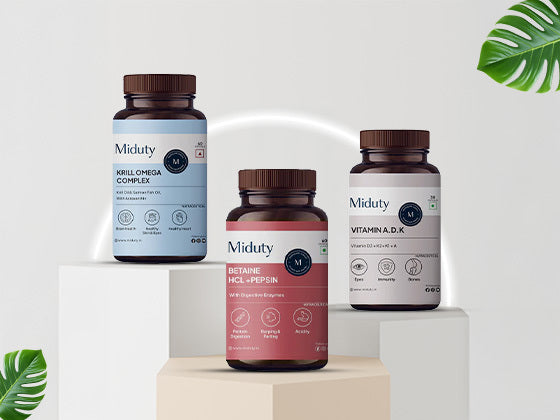
Dietary Supplements: The usual diet we consume often miss a few vitamins and minerals that lead to a deficiency of that particular mineral. To avoid this, dermatologists often recommend dietary supplements such as Clinikally Hair Regrow Nutraceutical Tablet, Follihair A Tablet, Hairbless Tablet, etc., to cope with the deficiency and maintain the Internal foundation for healthy hair.
2. Keep Your Hair Hydrated Always
As we discussed earlier, in winter, the hair loses all its moisture. And hence, it’s essential to use topical products to maintain the external moisture, and drinking adequate water to address the internal dehydration.
The effect of the winter environment is to strip the hair of its moisture. While topical products replace external moisture, drinking adequate water addresses internal dehydration. And, if you’re consuming enough liquid and keeping your scalp and hair follicles hydrated, you’re:
-
Avoiding Brittle Strands: When your hair care routine also includes keeping enough water and keeping your body hydrated, your entire hair structure gets a proper water supply. And if your hair follicle and the lower layers of the skin remain hydrated, the internal moisture acts as a lubricant, maintaining the hair’s natural elasticity and preventing it from getting rigid and brittle.
-
Supporting the Scalp: Proper internal hydration helps the scalp maintain its natural moisture barrier, reducing the severity of dry scalp flakes and supporting a healthier environment for hair growth.
By taking care of the essential nutrients and just by drinking enough water, you can protect your hair in the winter from getting harsh dryness, static, and friction. But that’s not enough; let’s move to the next steps of your hair care routine.
Activate Your Scalp & Boost Hair Growth

We know that the hair follows a growth phase, and it’s a continuous process where a few hairs fall and new hair grows. But when winter’s harsh conditions don't support this natural process, we often find this cycle disbalanced. And hence we need to activate your scalp and boost hair growth to maintain the healthy hair growth cycle. In this step, we’ll talk about two products that help you boost hair growth.
1. Clinikally Hair ReGrow Serum
It’s a dermatologist's recommended serum made up of a botanical infusion that revitalizes hair follicles, amplifies density, and minimizes hair fall. Enriched with procapil, AnaGain, and Fision AquaShield, this serum is a must for your winter hair loss treatment. It activates follicles and boosts microcirculation for optimal nutrient delivery. Clinikally Hair Regrow serum is fragrance, paraben, sulfate, and alcohol-free, offering a natural solution for thick and dense hair. Its usage effectively increases hair density and reduces hair fall. It promotes scalp health and stimulates hair follicles for regrowth. It’s easy to use, just evenly spray 5-6 times over the entire scalp, and rub gently with fingers. Its effective results make it an essential part of your winter hair care routine.
2. Microneedling Dermaroller (≈0.5mm)
The microneedling dermaroller is a small, handheld cosmetic tool having a cylinder studded with hundreds of fine, surgical-grade needles. The at-home version of dermaroller works on collagen induction therapy. The dermarollers can create controlled, microscopic puncture wounds, or “micro-injuries” when rolled across the skin and scalp. This gentle trauma triggers the body’s natural healing cascade, which results in increased production of vital protein such as collagen and elastin, improving skin texture and firmness. These micro-channels also enhance the absorption of topical products such as serums for hair regrowth or anti-aging ingredients, making them significantly more effective. Some of the best devices popular for home use include the advanced EnagenBio Nano Infuser Micro-Needling Serum Applicator Kit (which also has red LED light therapy).
The usage of these products in your haircare for winter helps in keeping your scalp active and helps in hair regrowth.
Cleansing Your Hair and Providing Proper Scalp Care

One of the most common mistakes we make is using warm water for hair cleansing. It worsens the effects of winter on our hair and scalp, causing dry scalp and degrading hair health. When we talk about the winter hair care tips, we’ve two great suggestions that help you in this stage of hair care. So, these two shampoos tackle the two most common problems we face during winters, hairfall and dry scalp. Let’s have a look at how they help:
1. Mildy AHF Anti-Hair Fall Shampoo
This dermatologist’s suggested anti-hairfall shampoo cleans the scalp by gently removing buildup and protecting the scalp barrier. Let’s have a look, how it’s one of the essential elements of your winter hair care guide:
-
Removes Impurities: By removing impurities, this shampoo creates a healthier environment for hair growth. Mildly AHF Anti Hair Fall Shampoo strengthens the roots and reduces breakage, leading to visibly improved hair density.
-
Cleanse Scalp: This Anti Hair Fall shampoo cleanses your scalp by gently removing the buildup and protecting the scalp barrier. It also creates a healthier environment for hair growth and strengthens the roots, reducing breakage, providing visibly improved hair density.
-
Aids hair growth: This AHF shampoo contains root-stimulating peptides that enrich hair growth peptides and Trichogen (a complex consisting of amino acids and herbal extracts). These ingredients stimulate the roots, energize the follicles, and promote the hair growth cycle.
-
Prevent Hair Loss: This Anti-hair fall shampoo contains natural extracts such as Green Tea, Amla, and Biotin, rich in antioxidants, that protect hair follicles from damage and promote a healthy scalp. Vitamin B7 or Biotin is an essential nutrient that supports the production of keratin, strengthening the hair shaft.
-
Suitable for daily Usage: This shampoo is paraben and sulphate-free, ensuring no harm to the hair. Being sulphate-free means it won’t create harsh lather that dries out hair, and paraben-free ensures that it’s created without certain preservatives and is suitable for all hair types, and safe to include in a winter hair care routine.
2. 8X-KT Advanced Scalp Care Shampoo
This is a dermatologist-prescribed shampoo, so use it only after consultation with a dermatologist. This advanced scalp care shampoo helps in curing all the scalp-related issues common in winter and strengthens hair. Let’s have a look at how it helps:
-
Addresses Common Concerns: 8X-KT Advanced Scalp Care shampoo targets issues such as dandruff, dryness, and irritation, providing a healthy and nourished scalp.
-
Long-Lasting Relief: Its advanced composition, consisting of Kitoconazole and Zinc pyrithione, helps in sustained relief for scalp discomfort and nourishes the hair shaft from root to tip.
-
Balances Moisture & Combats Flakiness: The advanced scalp care shampoo works effectively, balancing the scalp’s moisture, specifically when the scalp becomes dry in winter. It also reduces flakiness, maintains scalp hygiene, and is hence considered in the winter hair care routine.
-
Enhances Hair Vitality: 8X-KT Advanced Scalp Care shampoo ensures the hair looks and feels healthier, enhancing the overall liveliness of the hair. It’s a versatile product and can be added to any existing hair care routine.
Let’s move on to the next section of your winter hair care routine, where we’ll talk about some conditioning products and how they are a must-have product, especially for a dry hair care routine.
Conditioning of Your Hair & Prioritizing Moisturization

The change in atmosphere causes dry scalp in winter and causes dryness of the hair, leading to other problems such as dandruff, flakiness, and irritation. To avoid that, it’s necessary to moisturize the hair properly, and to help you in that, here are our recommendations:
1. Trichospire Deep Conditioning Hair Mask
The Trichospire Deep Conditioning Hair Mask is a deep-conditioning treatment designed to restore moisture, nourishment, and shine to dry, damaged hair. Formulated with ingredients such as Caffeine, Argan Oil, Niacinamide, and Sea weed extract, this mask deeply hydrates, strengthens, and revitalizes hair, leaving it soft, silky, and frizz-free. The usage of this hair mask in winter enhances hair texture and promotes overall hair health, and thus, it should be considered into your winter hair care routine. Let’s also have a look at a few key benefits:
-
Intense Hydration and Moisture Sealing: This hair mask deeply hydrates the hair and seals moisture into each strand, providing effective protection against dryness and frizz.
-
Split End Prevention: It strengthens the hair shaft, providing protection against split ends, promoting overall healthier, and longer hair.
-
Repair and Revitalization: This deep conditioning hair mask repairs and revitalizes hair damaged by the exposure of heat (usually from the styling tools) and chemicals (such as coloring or perms.)
-
Intensify Softness: The conditioning mask boosts hair softness, providing silky smooth hair that looks good and wonderful to the touch.
-
Scalp Health: These masks nourish the scalp, supporting optimal hair growth and maintain overall scalp health.
Let’s move forward to the next step of your winter hair care routine, providing protection against static and maintaining the overall hair health.
2. Q-Sera Leave-In Conditioner
The Q-Sera Leave-In Conditioner is a perfect addition to your winter hair care routine. Its powerful and nourishing formula is optimized to protect your hair from dryness and frizz. It restores the vital moisture and provides a protective shield that promotes longer hair growth phase and enhances hair’s natural shine. It also improves the overall hair texture, revitalising even the driest strands, restoring their natural vitality. Its regular usage ensures healthier, softer, and more radiant hair. Let’s see why it’s essential in our hair care routine:
-
Promote healthy hair growth: It extends the anagen phase of the hair cycle and enhances its life span.
-
Nourish hair-growth cells: This Q-Sera Leave-In Conditioner stimulates dermal papilla cells, ensuring long-lasting and vibrant hair.
-
Reduces Frizz: This Leave-In Conditioner effectively manages and tames frizz, leaving hair smooth and manageable, even in dry winter conditions.
-
Restores Moisture & Vitality: The conditioner enhances hair softness, even in the harsh winter conditions and provides a shiny appeal to the hair.
-
Perfect for daily Use: Q-Sera leave-in Conditioner contains a convenient leave-in formula for daily usage, providing ongoing hair care benefits and protection.
Protect your hair from harsh weather & make it anti-static

As we’ve discussed earlier, the hair starts repelling each other due to the static generation during winter. To stop that and to provide protection against harsh climate conditions during winter, here are our 3 winter hair care product recommendations, you must consider:
1. Lightweight Detangling Spray
A Lightweight Detangling Spray is a perfect addition to your winter hair care routine. It’s a multi benefit leave-in product curated to reduce the friction between hair strands. It works by coating the hair with a non-greasy, fine mist of conditioning agents that instantly create “slip”. This spray dissolves knots and makes combing effortless, without leaving a heavy or sticky residue. These sprays are ideal for all hair types, especially fine or thin hair that loses volume, and cut down hair breakage and styling time. One of the most recommended products for this purpose is 3Tenx Hydrify Gloss Mist For All Hair Types. Let’s have a look at a few benefits:
-
Acts as a heat protectant (up to 450°F) & helps to cut down blow-dry time.
-
Suitable for all hair types & known for their lightweight feel.
-
Don’t leave residue or sticky lubricant.
-
Prevent breakage during combing and styling.
-
Providing UV/Thermal protection, leaving hair shiny without adding weight.
2. Nourishing Hair Serum
One of the most recommended hair serums in this category is Vegetal Trichowel Hair Nourishing Serum. It’s a natural, lightweight, and plant-based hair care solution optimized to instantly nourish, hydrate, and strengthen hair from the root up. Its non-greasy formula absorbs quickly, helping you get smooth, silky, and radiant hair. Suitable for both damp and dry hair; it’s counted as an essential winter hair care product and often recommended by dermatologists. Let’s have a look at their key ingredients and benefits:
-
Biotin: It’s a well-known vitamin essential to strengthen hair and maintain a healthy functioning with the cell. It also improves the keratin infrastructure providing thick & dense hair.
-
Hydrolyzed Keratin Protein: These small protein fragments penetrate the hair shaft & repair damage, strengthening the hair structure and reducing breakage.
-
Hydrolyzed Collagen: it helps in improving the hair’s elasticity and strengthens them from the root, contributing to a fuller look.
Its proper usage strengthens hair, provides adequate thickness, enhances scalp health, and improves hair texture. It’s non-greasy and doesn't leave any extract, suitable for your daily usage.
3. Effective Hair Oils
An effective option often recommended by dermatologists is Hoch Argan & Jojoba Seed Hair Oil. It provides a nourishing hair treatment, especially needed in the winter. Its specially designed formula provides deep conditioning and comprehensive scalp care, ensuring a healthier, softer, and more manageable hair with regular use. Let’s have a look at why it must be included in your winter skin care routine:
-
Intense Nourishment: This oil contains 10% Argan Oil (also known as Argan Kernel Oil) for deep conditioning, which is rich in fatty acids and Vitamin E, providing moisture to the hair shaft.
-
Scalp Health Promotion: The hair oil also contains 1% Jojoba Seed Oil (Jojoba Oil), which mimics the natural oil of the scalp (sebum), helping balance the scalp, prevent dryness, and promote a healthy foundation for hair growth.
-
Enriched with Multiple Oils: Infused with a powerful blend of traditional and herbal oils such as Olive Oil, Almond Oil, and Red Onion Oil, this Hoch Argan & Jojoba Seed Hair Oil strengthens hair and reduces hair fall, providing rich smoothing moisture.
-
Frizz Reduction & Shine: the blend of oils smoothes frizz, coats the hair cuticle, preventing moisture loss, and imparts a natural, healthy shine to your hair.
-
Strengthens hair: The herbal extracts and oils, such as Rosemary and Ginger Oil, strengthen the hair root to tip and promote overall hair vitality.
Now that we’ve a sure-shot winter hair care plan, let’s move forward to the next step, that is breaking some common winter hair care myths that we must exclude from our winter or dry hair skin care routine.
Remove these Practices from your Winter Hair Care Routine

To keep your hair healthy during the winter, avoid certain practices that can cause dryness, damage, and other hair problems. Here are some things to avoid:
-
Overwashing: Avoid overwashing your hair in the winter because it can strip away natural oils and cause dryness. Wash your hair every 2-3 days or as needed to maintain a moisture balance.
-
Hot Water Showers: Hot water can dehydrate your hair and scalp even more, causing dryness and frizz. When washing your hair, use lukewarm water to avoid stripping away essential oils.
-
Excessive Heat Styling: Use heat-styling tools such as flat irons, curling irons, and hair dryers for a limited time only. Excessive heat can cause damage and breakage to your hair. Use heatless styling methods whenever possible, or use low heat settings when necessary.
-
Rough Towel-Drying: Rubbing your hair vigorously with a towel can cause friction and breakage. Instead, use a soft towel or an old T-shirt to gently squeeze out excess water. To avoid unnecessary damage, pat your hair dry.
-
Neglecting Regular Trims: Skipping regular trims can allow split ends to travel up the hair shaft, causing more severe damage. To keep your hair healthy and prevent further breakage, schedule regular haircuts every 8-12 weeks.
-
Using Rugged Hair Accessories: Keep your hair free of hair accessories with sharp edges or materials that can rub against it and harm it. Use scrunchies or wide-tooth combs as hair-friendly alternatives, or choose accessories made of soft materials like silk or satin.
-
Ignoring Scalp Care: In the winter, take good care of your scalp. In order to avoid dryness, flakiness, and itchiness, keep it clean and moisturized. Avoid using harsh, drying shampoos that can remove the natural oils from the scalp.
-
Not Protecting Your Hair When Going Outside: In the winter, cover your hair to protect it from the elements. In order to protect your hair from chilly winds, snow, and rain, wear hats, scarves, or hoods. To reduce friction and static, choose materials that are kind to hair, like satin or silk.
-
Wet Hair While Sleeping: Wet hair while sleeping can cause more breakage and tangling. Before going to bed, make sure your hair is completely dry to prevent damage. If you must sleep with damp hair, braid it or loosely tie it up to reduce friction.
- Neglecting a Balanced Diet: A healthy diet is very important for maintaining the health of your hair. Avoid excessive consumption of processed and sugary foods, and ensure you're getting a balanced diet with plenty of vitamins, minerals, and protein to support healthy hair growth.
You can reduce damage and keep your hair healthy and vibrant throughout the winter by refraining from these practices. Use nurturing and gentle hair care techniques to preserve moisture, shield your strands, and advance general hair health.
Let’s Wrap it Up

So, now we’ve our winter hair care routine ready and we do know the do’s and don’ts of winter hair care tips.
But reading won’t help; implementation does.
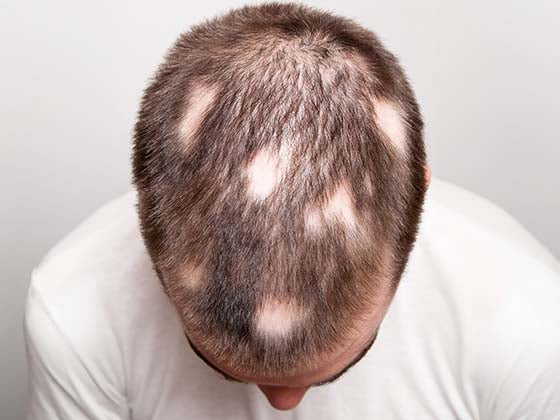
Still, if you feel that you’re losing hair or feeling patches, dry scalp, fizziness, and irritation, it’s best to consult a dermatologist immediately. You can also consult the best dermatologists online on the Clinikally website.
Additionally, for all types of hair care and skin care products, you can also refer to Clinikally’s website.
Do follow the recommended hair care routine & keep your hair healthy, and scalp hydrated.
We wish you thick, dense, and healthy hair.