Can Arbutin & Niacinamide Unite Even‑Tone, Resilient Skin
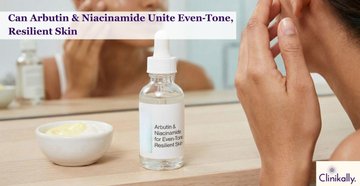
Skincare is more than just applying the latest products and hoping for the best outcomes. The key to radiant skin is selecting substances that work well together and provide effective results tailored to your skin's needs. For example, combining two compounds at regulated concentrations can produce effective outcomes in a shorter period of time. Alpha arbutin and niacinamide are a powerful combo that tackles hyperpigmentation, uneven skin tone, and general skin vitality expertly. Let's learn more about these two chemicals and the advantages of combining alpha arbutin with niacinamide in your skincare routine.
Mechanistic Breakdown: How Each Molecule Tackles Melanin & Barrier Health
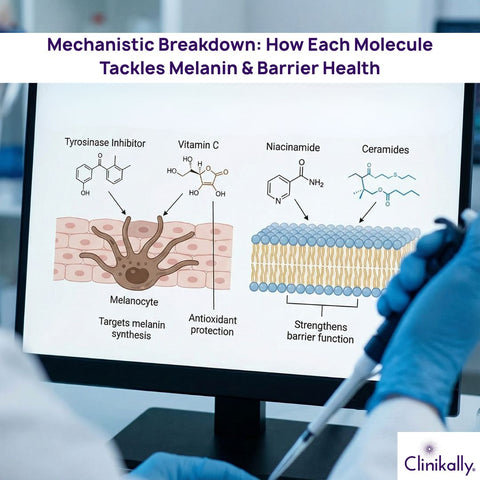
Arbutin is a glycosylated hydroquinone derivative that functions as a competitive inhibitor of tyrosinase, the rate-limiting enzyme in melanogenesis. By attaching to the tyrosinase active site, it inhibits the conversion of L-tyrosine to L-DOPA and then to melanin. This downregulation reduces pigment synthesis at the root, making it useful for hyperpigmentation, melasma, and post-inflammatory dark patches. Unlike hydroquinone, arbutin gradually releases its active hydroquinone, resulting in a gentler, more regulated lightening action with a decreased risk of cytotoxicity and rebound pigmentation.
-
Niacinamide (Melanin distribution and barrier strength): Niacinamide (Vitamin B3) enhances arbutin's activity by targeting pigmentation during the transfer stage. It prevents the vesicular transfer of melanosomes from melanocytes to adjacent keratinocytes. This means that less melanin is formed in the visible layers of the skin, resulting in a more even tone. Beyond pigment management, niacinamide improves barrier function by increasing ceramide, free fatty acid, and cholesterol production in the stratum corneum. A fortified barrier increases water retention, decreases transepidermal water loss (TEWL), and strengthens the skin's resistance to external stresses. Furthermore, its anti-inflammatory properties aid in alleviating irritation, which frequently exacerbates pigmentation issues.
-
Synergistic action: Arbutin lowers melanin production, whereas niacinamide inhibits melanin transfer and increases skin resilience. This dual-pathway technique not only fades existing pigmentation but also prevents recurrence while maintaining the skin barrier. Unlike harsher treatments, this combination combines efficacy and tolerance, making it ideal for delicate or long-term brightening regimens.
Tyrosinase Targeting: Arbutin’s Subtle Approach to Pigment Control
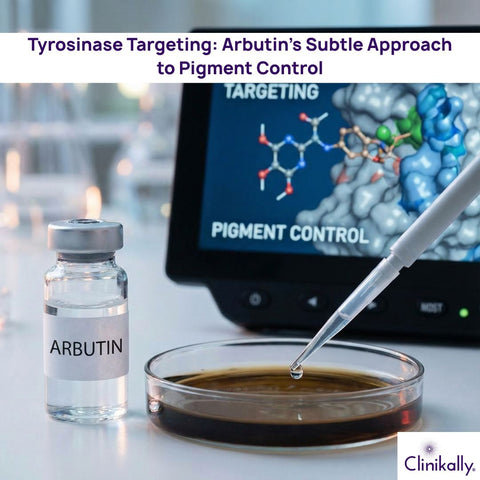
Arbutin is highly recognized for its moderate but efficient suppression of tyrosinase, the enzyme that triggers melanin formation. Tyrosinase catalyzes the conversion of L-tyrosine to L-DOPA, and then to dopaquinone, which initiates the melanin-producing cascade. Unlike hydroquinone, which has a powerful and occasionally severe suppression effect, arbutin releases hydroquinone in a regulated manner via enzymatic cleavage, offering pigment-modulating actions without overwhelming melanocytes.
Arbutin's mild effect makes it a safer choice for long-term use for people with sensitive skin. It avoids excess pigment synthesis by gradually diminishing enzyme activity in a non-cytotoxic manner, minimizing dangers such as ochronosis, rebound pigmentation, or substantial irritation, which are frequently linked with stronger depigmenting agents.
Arbutin has two forms: α-arbutin and β-arbutin. α-Arbutin, a synthetic isomer, is more stable and effective against tyrosinase, making it a popular ingredient in modern cosmetics. β-Arbutin, a naturally occurring version, is gentler but less effective. Both styles, however, demonstrate Arbutin's concept of precision over force.
Because arbutin acts upstream at the enzyme level, its effects are gradual rather than immediate. Several weeks of constant use usually result in noticeable lightening, since melanin turnover and skin regeneration cycles coincide with reduced pigment synthesis. When used with other chemicals such as niacinamide or sunscreen, arbutin helps ensure that newly regulated pigment synthesis results in a more even, radiant complexion.
Ceramide Synthesis & Oil Balance: Niacinamide’s Multi‑Tasking Benefits
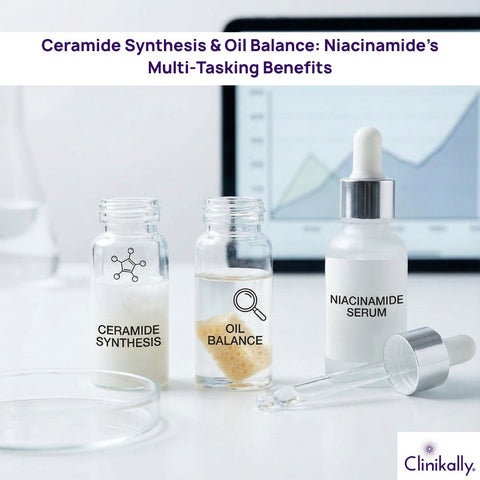
Niacinamide (Vitamin B3) is sometimes referred to as a "multi-tasker" because it treats pigmentation, barrier integrity, and sebum management. Niacinamide increases the activity of serine palmitoyltransferase, the rate-limiting enzyme in ceramide production. It improves the skin's natural barrier by increasing the production of ceramides, free fatty acids, and cholesterol—the three important lipids of the stratum corneum. A strong barrier improves moisture retention, reduces transepidermal water loss (TEWL), and increases resistance to irritants, pollutants, and environmental stresses. For those utilizing pigment-correcting actives, this lipid support reduces dryness and sensitivity, making niacinamide a stable partner in brightening regimes.
Niacinamide is important not just for barrier health but also for oil equilibrium. According to research, it lowers sebaceous gland activity, which results in decreased surface sebum levels and improved pore appearance. This effect is beneficial for acne-prone and combination skin, where excess oil can lead to congestion, outbreaks, and post-inflammatory hyperpigmentation. Niacinamide improves texture by relaxing overactive sebocytes while also indirectly reducing the cycle of acne-related discoloration.
Niacinamide's dual action—fortifying from inside and balancing on the surface—makes it a versatile ingredient for all skin types. Ceramide stimulation keeps dry or sensitive skin hydrated and repairs the barrier. Sebum control improves clarity and prevents future pigmentation triggers in oily or blemished skin. When coupled with arbutin, niacinamide not only prevents melanin transfer but also promotes a healthier, more resilient skin environment in which pigment correction can occur safely and effectively.
Synergy in the Bottle: pH Compatibility and Formulation Considerations
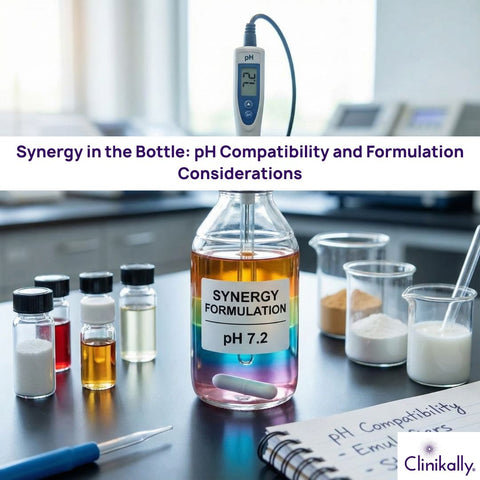
Compatibility between arbutin and niacinamide in a single formulation is determined by pH balance and molecular stability. Arbutin performs best in a slightly acidic environment, usually between pH 4.5 and 6.5, where its glycosidic bond is stable and its tyrosinase-inhibiting action is intact. Niacinamide, on the other hand, prefers pH 5-7 because it resists hydrolysis into nicotinic acid, the byproduct that causes flushing or discomfort. The overlap in their effective pH ranges makes them a highly compatible duo, as opposed to vitamin C (ascorbic acid), which frequently requires a lower pH.
Formulators must also consider solubility and delivery mechanisms. Arbutin and niacinamide are both water-soluble, making them ideal for blending into serums, essences, or light emulsions. Heat, light, and dramatic pH variations can all damage stability. As a result, many current formulations include airless pumps, dark glass vials, or encapsulating methods to protect active ingredients from oxidation and deterioration. Encapsulation not only protects actives but also allows for regulated release, resulting in consistent exposure to the skin without irritation spikes.
Texture is also important: combining arbutin's brightening impact with niacinamide's barrier support works best in moisturizing, humectant-rich bases that prevent dryness. To reduce irritation while increasing penetration, humectants such as glycerin or hyaluronic acid are frequently used in combination. In reality, this compatibility allows customers to securely layer or mix both elements in a single well-designed product. The formulation sweet spot—mid-range pH, stable packaging, and supportive humectants
—unlocks their synergistic brightness and barrier-fortifying advantages while maintaining tolerance.
Visible Benefits & Ideal Skin Profiles
The combination of arbutin and niacinamide results in a range of observable changes that address both specific symptoms and overall skin health. Arbutin treats hyperpigmentation at its source by gently blocking tyrosinase, resulting in a gradual reduction in dark patches, melasma, and post-inflammatory hyperpigmentation. Niacinamide supplements this by blocking melanin transfer into keratinocytes, ensuring that pigment produced in melanocytes does not reach the skin's surface. The outcome is a more even and radiant complexion, with apparent benefits after a few weeks of constant application.
Beyond tone correction, niacinamide's barrier-boosting qualities improve the skin's lipid matrix, aiding in moisture retention and lowering transepidermal water loss. This results in a smoother texture, less visible flaking, and improved tolerance to vigorous skincare regimens. Its ability to regulate sebum production reduces shine and pore visibility, making it especially beneficial for oily or acne-prone skin types that suffer from both outbreaks and persistent pigmentation.
Ideal skin profiles for this pair include those dealing with:
-
Sun damage, aging, or acne can all cause uneven skin tone and dark spots.
-
Sensitive skin requires a gentler brightening method than hydroquinone or high-strength acids.
-
Niacinamide's oil-balancing effect helps clear combination or oily skin.
-
Dry or barrier-compromised skin can benefit from niacinamide's ceramide stimulation and moisture retention.
In essence, arbutin and niacinamide work together to provide a progressive, skin-friendly route to brightness and resilience, making them suitable for a wide range of skin types looking for clarity and comfort without harshness.
Dark Spot Diminishing & Post‑Inflammatory Hyperpigmentation
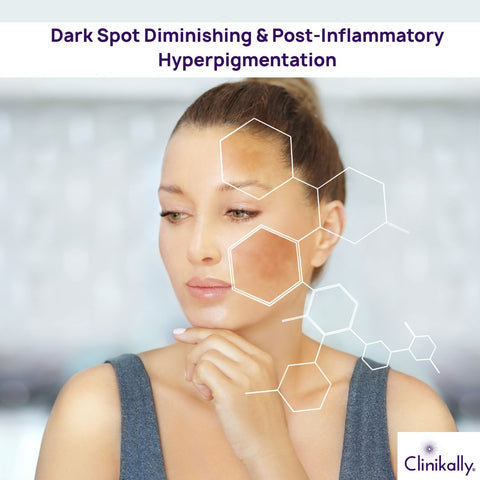
One of the most compelling reasons for combining arbutin and niacinamide is their complementing effects on dark spots and post-inflammatory hyperpigmentation (PIH). Dark patches, whether caused by UV exposure, hormonal activity, or age, are frequently the result of hyperactive melanogenesis. Arbutin begins this process by blocking tyrosinase, the enzyme that regulates melanin synthesis. Arbutin lowers the intensity and spread of hyperpigmented lesions by decreasing pigment output at the source.
PIH, which often occurs after acne or irritation, is caused by both excess melanin and inflammatory signaling that promotes melanocytes. This is where niacinamide's benefits shine. Niacinamide reduces inflammatory mediators while also inhibiting melanosome transfer from melanocytes to keratinocytes. This dual action disrupts the chain reaction that locks discolouration into the skin's apparent surface layers. Over time, fewer pigment granules penetrate the epidermis, and existing discoloration fades more evenly.
The combination also promotes skin healing. Niacinamide increases ceramide synthesis, strengthening the barrier so that current breakouts or irritations are less likely to cause new PIH. Meanwhile, arbutin provides constant, mild suppression of melanin overproduction while avoiding the risk of rebound hyperpigmentation associated with harsher actives such as hydroquinone.
Together, these actives provide both repair and prevention: arbutin lightens existing discolouration while niacinamide minimizes the likelihood of new stains appearing. For those dealing with residual acne marks, sun spots, or uneven patches, this combo provides a consistent, well-tolerated path to clearer, more even-toned skH3: Redness Reduction & Strengthened Skin Barrier
While arbutin's principal function is to regulate pigment, its gentle, non-irritating nature makes it an effective whitening agent even for red-prone skin. Unlike stronger actives that might disturb the skin barrier or cause irritation, arbutin works gradually to correct uneven tone without causing erythema. This makes it a safe option for people who have reactive or rosacea-prone skin yet still want to treat discolouration.
However, when it comes to reducing redness and fortifying the barrier, niacinamide is the real deal. Niacinamide reinforces the stratum corneum by increasing the formation of ceramides, free fatty acids, and cholesterol, allowing the skin to better retain moisture and fight environmental aggressors. A stronger barrier reduces transepidermal water loss (TEWL), breaking the cycle of dryness, sensitivity, and inflammation, which is frequently manifested as redness.
Furthermore, niacinamide has been demonstrated to lower inflammatory cytokine activity, which soothes skin prone to irritation or flare-ups. This leads to noticeable improvements in blotchiness, reactive flushing, and overall skin comfort. When paired with arbutin's gentle brightening, the two form a dual-action system: arbutin tackles pigment-based discoloration, while niacinamide strengthens the skin and reduces the appearance of redness caused by sensitivity or reduced barrier function. This synergy is especially good for people with sensitive, red-prone, or combination skin who suffer from uneven pigmentation and inflammation. Over time, the outcome is skin that seems not only more even in tone but also calmer, stronger, and less reactive, laying the groundwork for long-term clarity.
Suitability Matrix: Sensitive, Oily, and Combination Skin Types
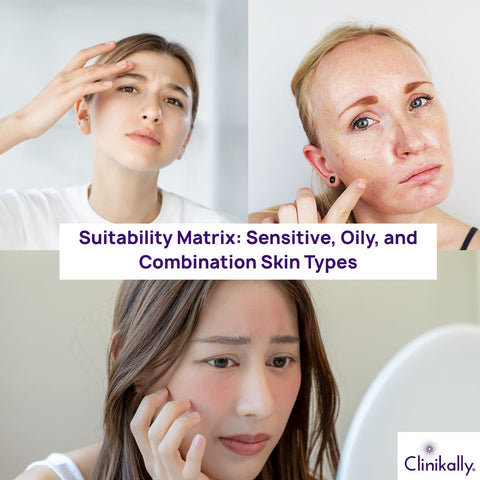
When reviewing skincare actives, it is critical to understand how they operate on various skin types. The combination of arbutin and niacinamide is especially adaptable, making it appropriate for a wide range of consumers.
-
For delicate skin, these components are preferable to more forceful brighteners like hydroquinone or strong acids. Arbutin's slow-release pigment suppression reduces irritation risk, but niacinamide actively soothes inflammation and strengthens the barrier. They work together to give tone correction without causing redness, stinging, or barrier disruption, all of which are common issues for sensitive consumers.
-
Niacinamide is beneficial to oily skin because it regulates sebum production. By controlling oil production it reduces excess shine and congestion while also decreasing the appearance of enlarged pores. Arbutin supplements this by reducing post-acne black spots, which are a common issue for oily, acne-prone complexions. This makes the duo a good choice for individuals seeking both clarity and mattifying effects.
-
The pairing works well with mixed skin. Niacinamide adjusts to both oily and dry areas by regulating barrier function and balancing moisture, whereas arbutin provides constant brightness across uneven spots. This dual flexibility means that combination skin does not feel too stripped in dry regions or clogged in oilier zones.
Overall, the suitability matrix emphasizes the duo's broad applicability:
-
Sensitive skin needs gentle brightening and calming support.
-
Oily skin results in oil regulation and dark mark reduction.
-
Combination skin requires hydration balance and even-tone correction.
This versatility makes arbutin + niacinamide an excellent choice for a variety of skin types.
Smart Application & Safety Pointers
To get the best benefits while minimizing irritation, use arbutin and niacinamide with caution. Both components are generally well tolerated, but uniformity and proper stacking make all the difference.
-
Cleaning and prepping: Start with a gentle, low-pH cleanser to remove pollutants without eroding the skin's barrier. Pat dry and, if desired, finish with a moisturizing toner or essence to create an ideal canvas for active delivery.
-
Layering strategy: Because arbutin and niacinamide are both water-soluble and pH-compatible, they can be used concurrently without risk of deactivation. Serums are the most effective format, with niacinamide frequently used first to improve the barrier, followed by arbutin to target pigmentation correction. Alternatively, several recipes mix the two for ease.
-
Frequency and dosage: Daily use is generally safe, and most users can tolerate twice-daily application. Those with sensitive skin may opt to start every other day and gradually increase frequency. Combining with moisturizing agents such as hyaluronic acid or ceramide-rich moisturizers improves tolerance.
-
Sun protection: Because both chemicals work on pigmentation, outcomes may be affected if skin is exposed to UV light without proper protection. Broad-spectrum sunscreen (SPF 30 or above) is required to prevent new dark spots and maintain ongoing improvements.
-
Safety checks: Although irritation is uncommon, patch testing is recommended, especially for sensitive or reactive skin types. To avoid overstimulation, avoid using strong exfoliants (high-percentage AHAs and BHAs) in the same program.
With proper application, this duo provides gradual brightening and resilience without jeopardizing skin health.