


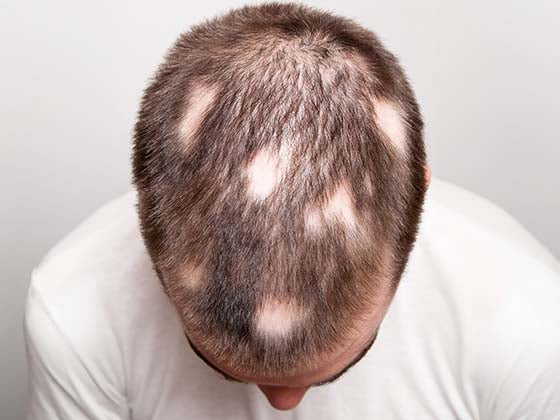



Cedarwood essential oil is made from the bark, needles, leaves, and berries of cedar trees. People believe that it can improve their skin, hair, and sleep. Cedarwood oil can be purchased alone, but it is also an ingredient in insect repellent, cologne, shampoo, and deodorant. People have reported that it can help with hair loss, scalp issues, and increased sleep. However, there is limited scientific data to support these statements. Continue reading to discover the potential benefits of cedarwood oil.
Understanding Atlas Cedar Essential Oil: Origin, Composition & Aroma

Atlas cedar essential oil is derived from the majestic Cedrus atlantica, a conifer found in the Atlas Mountains of Morocco and Algeria. The oil, which has been revered since ancient times for its anchoring powers, is steam-distilled from the tree's wood, resulting in a rich, amber-colored essence that combines both strength and peace. Chemically, Atlas cedar oil is high in sesquiterpenes, including cedrol, himachalene, and atlantone, which are known for their calming, anti-inflammatory, and antibacterial properties. These compounds provide the oil with its therapeutic versatility, which ranges from controlling sebum production in cosmetics to relieving stress and enhancing respiratory comfort in aromatherapy.
Its perfume is rich, warm, and woody, with delicate balsamic overtones that are generally characterized as relaxing, grounding, and somewhat sweet. Atlas cedar has a softer, more resinous quality than pencil cedar (Virginia cedarwood), and it mixes nicely with other earthy oils like vetiver, frankincense, and patchouli, as well as florals like rose and lavender. This distinctive aroma not only appeals to the senses but it also promotes emotional balance by lowering tension, quieting the mind, and developing a sense of inner calm. As a result, Atlas cedar essential oil serves as a bridge between practical skin applications and fragrant rituals, cementing its place as a valued component of holistic wellness.
Science of Sesquiterpenes: Anti‑Inflammatory & Antioxidant Actions

Atlas cedar essential oil's medicinal effect is centered on sesquiterpenes, a family of complex, carbon-rich compounds that make up a significant amount of its chemistry. Compounds such as cedrol, himachalene, and atlantone create the oil's rich, woody scent while also providing skin-soothing and protective benefits.
-
Anti-inflammatory effects: Sesquiterpenes have anti-inflammatory properties, which can reduce redness, swelling, and irritation in the skin. When used in diluted topical blends to quiet overactive immune responses, they may provide relief for illnesses such as acne, eczema, and psoriasis. This makes Atlas cedar oil very useful for sensitive or reactive skin.
-
Antioxidant properties: Sesquiterpenes are also good free radical scavengers. UV exposure, pollution, and stress all produce free radicals, which damage collagen and hasten the aging process. Sesquiterpenes help safeguard cellular integrity, maintain suppleness, and delay the creation of fine lines and wrinkles by neutralising these unstable chemicals.
Beyond skincare, these chemicals help to maintain emotional and systemic equilibrium. Their grounding properties in aromatherapy have been connected to soothing the nervous system, lowering stress hormones, and encouraging restful sleep, all of which indirectly promote skin health by minimizing stress-induced flare-ups. In essence, sesquiterpenes transform Atlas cedar oil into a multipurpose ally for skin vitality and overall well-being.
Sustainably Sourced: Ethical Harvest from Morocco’s High Atlas

Atlas Cedarwood oil, obtained from the Cedrus atlantica trees of Morocco's High Atlas Mountains, is gaining popularity not only for its therapeutic properties but also for its ethical and sustainable sourcing techniques. Sustainability is vital to the harvesting process since it protects historic cedar trees while producing high-quality essential oils for cosmetics, aromatherapy, and wellness applications. Unlike harmful logging operations, ethical harvesting is largely concerned with gathering fallen timber, dead branches, and trimming material rather than cutting down living trees. This strategy reduces environmental impact by enabling trees to regrow naturally while still maintaining the region's biodiversity.
Environmental conservation initiatives frequently accompany these practices. Sustainable harvesting protects the delicate ecosystem of the High Atlas Mountains by limiting deforestation and promoting replanting efforts. These measures preserve the long-term viability of cedar forests, which are vital for soil stabilization, water management, and carbon sequestration. Sustainable harvesting helps to maintain forest health and contributes to overall ecological balance and protection.
Local community empowerment is just as vital. Ethical sourcing ensures fair salaries and steady employment, thereby sustaining traditional livelihoods. Harvesters and distillers use generations of local knowledge to extract oil in an efficient and courteous manner, while retaining cultural practices and skills. Communities benefit both economically and socially, resulting in a positive cycle of environmental care and social responsibility.
Atlas Cedarwood oil, sourced sustainably, is of outstanding quality. Producers preserve the oil's purity, aroma, and bioactive characteristics by prioritizing meticulous harvesting and employing techniques such as cold-pressing or steam distillation. Ethical source assures minimal contamination and maximum therapeutic advantages, making it suitable for skincare routines focused on oil management, inflammation, and microbial balance.
Transparency and traceability are also important aspects of sustainable production. Ethical brands frequently give documentation and in-depth information about sourcing, processing, and community effect. Consumers can therefore make informed decisions, knowing that their purchases support environmental protection, cultural preservation, and fair trade.
Aromatherapy Bonus: Calming the Mind While Treating Skin

Atlas Cedarwood oil is a potent essential oil that offers a unique combination of therapeutic skin benefits and calming aromatherapy effects, making it an ideal choice for people looking to achieve balance in both appearance and emotional well-being. Cedarwood oil from Morocco's High Atlas Mountains has always been treasured for its grounding, woody aroma, but it is also being recognized for its potential to cure skin ailments while also relaxing the mind.
Atlas Cedarwood oil has natural astringent and antibacterial properties. It regulates sebum production, making it especially useful for people who have oily or acne-prone skin. It helps to prevent clogged pores, breakouts, and blackheads by decreasing excess oil. Its anti-inflammatory properties reduce redness, irritation, and swelling, making it appropriate for disorders like mild eczema or dermatitis. Cedarwood oil also promotes tissue repair and regeneration, which progressively improves the look of scars, blemishes, and uneven tone. Skin gets smoother, clearer, and more balanced after regular, diluted usage.
Beyond its topical advantages, Atlas Cedarwood oil's fragrant properties induce a profound sense of peace. The warm, resinous aroma contains natural calming characteristics that assist to alleviate anxiety, nervous tension, and restlessness. When diffused, breathed, or mixed with massage oil, it promotes relaxation, improves focus, and aids in restful sleep. Many people believe that Cedarwood oil produces a grounding environment, making it a perfect choice for meditation, stress treatment, or relaxing at the end of the day.
The mind-skin connection also increases its efficacy. Stress is known to cause flare-ups of acne, eczema, rosacea, and other inflammatory skin problems. Atlas Cedarwood oil indirectly promotes healthy skin by soothing the nervous system, which reduces stress-related hormonal imbalances that might aggravate breakouts or irritation. This combined effect of soothing the mind and nurturing the skin results in a holistic cycle of healing and harmony.
Practical applications include combining a few drops of Cedarwood oil with a carrier oil like jojoba or almond for facial usage, adding it to a diffuser for a calming atmosphere, or mixing it into a warm bath for total body rejuvenation. Each approach incorporates aromatherapy advantages with skincare support, making it both versatile and effective.
Skin Benefits Backed by Research: From Sebum Balance to Scar Softening

Modern research is beginning to back up what traditional healers in the Atlas Mountains have known for centuries: Atlas cedar essential oil can greatly improve skin health. Its sesquiterpene-rich composition provides a diverse range of dermatological advantages, many of which are supported by preliminary research and clinical observations.
-
Sebum regulation: Cedarwood oil has been shown in studies to help regulate sebum production. It works by controlling sebaceous gland activity to reduce excess oiliness without stripping the skin, making it ideal for acne-prone or mixed skin types.
-
Antimicrobial activity: Studies show that cedarwood has natural antibacterial and antifungal properties, particularly against Propionibacterium acnes and other germs that cause breakouts and skin irritation. Its antibacterial properties make it an effective addition to clarifying mixes and spot treatments.
-
Scar and tissue remodeling: Evidence suggests that cedarwood oil may increase microcirculation and fibroblast activity, promoting skin regeneration. This can gradually soften the look of scars, stretch marks, and rough spots.
-
Anti-inflammatory potential: Early lab studies indicate that cedarwood components such as cedrol may lower inflammatory indicators, reducing redness and irritation.
Altogether, atlas cedar oil is a multifunctional botanical active that treats oily skin, acne, and post-inflammatory scarring while also improving overall barrier resilience.
Purifying Power: Antibacterial Support for Acne‑Prone Complexions

For people who suffer from breakouts, Atlas cedar essential oil is a natural yet powerful remedy. Acne is frequently caused by the combination of abundant sebum and dead skin cells, which creates a breeding habitat for acne-causing bacteria like Cutibacterium acnes. If left untreated, this causes inflammation, redness, and long-lasting blemishes.
Atlas cedar oil, which contains sesquiterpenes such as cedrol and himachalene, has antibacterial properties that aid in controlling bacterial growth on the skin's surface. It reduces the danger of clogged pores resulting in inflammatory pimples by lowering bacterial burden. Its moderate astringent characteristics assist in balancing sebum production, avoiding excess oiliness without overdrying.
Aside from its antibacterial properties, Atlas cedar oil also has anti-inflammatory properties, which help to soothe inflammation and reduce the redness that is common with acne. This makes it especially useful for people who have oily but sensitive skin, which can be difficult to manage with harsher synthetic choices. Atlas cedar, when properly diluted (1-2% in a non-comedogenic carrier oil like jojoba), can be used as a spot treatment, added to clarifying face oils, or incorporated into an acne-supportive regimen.
Circulation Boost: How Cedar Activates Micro‑Flow for Firmness

Healthy skin is dependent on proper microcirculation, which is the fine network of capillaries that provides oxygen and nutrients while transporting waste materials. Stress, sun damage, and natural aging can all cause this micro-flow to diminish, leaving skin dull, sluggish, and prone to firmness loss. Atlas cedar essential oil is a natural way to improve circulation and invigorate the complexion.
Cedrol and atlantone are thought to enhance local blood flow when used in sufficiently diluted mixtures. This increased circulation boosts cellular metabolism and stimulates fibroblasts, the skin's collagen-producing cells, to stay active. Skin becomes firmer, plumper, and more luminous as nutrition supply and oxygen exchange improve. Atlas cedar's warming, grounding effects in massage and body oils help to relax underlying muscles, which improves circulation through mechanical stimulation. This makes it especially useful in blends that target areas with slow skin tone, cellulite, or post-scar tissue that require micro-flow stimulation.
While additional clinical study is needed, traditional use and early findings indicate cedar's involvement in skin health by promoting efficient blood and lymph circulation. Atlas cedar oil transforms into a tool for renewal and resilience from within when this subtle yet vital process is activated.
Barrier Rescue: Ceramide‑Friendly Lipids That Soothe Irritation

A strong skin barrier is crucial for staying hydrated, protecting against irritants, and reducing sensitivities. When the barrier is compromised—due to strong cleansers, environmental stress, or over-exfoliation—the skin loses moisture and becomes more sensitive. Atlas cedar essential oil, when properly diluted, can help protect the skin barrier due to its lipid-friendly structure.
Cedarwood oil includes sesquiterpenes and fatty-compatible compounds that blend seamlessly with the skin's natural lipid matrix. Unlike aggressive actives, its components are ceramide-friendly, which means they function with the barrier's existing structure rather than removing it. This reduces transepidermal water loss (TEWL) and restores suppleness and hydration.
Furthermore, its anti-inflammatory effect reduces redness and irritation, while its mild antibacterial action shields damaged skin from subsequent infections. This makes Atlas cedar especially useful for people with sensitive, reactive, or barrier-impaired skin.
Atlas cedar, when combined with nourishing carriers like jojoba, squalane, or oat oil, promotes barrier repair while soothing flare-ups induced by dryness, pollution, or stress. The end effect is skin that feels more comfortable, protected, and robust over time. Atlas cedar oil works as a gentle barrier rescuer, strengthening the skin's natural protection layer and restoring harmony where irritation formerly reigned.
Safe Use & Formulation Tips: Dilution, Pairings, and Precautions

While Atlas cedar essential oil has excellent skin and aromatherapeutic effects, correct use is vital for safety and effectiveness. It is highly concentrated, as are other essential oils, and must be diluted before topical application. A safe dilution in a carrier oil is 1-2% (3-6 drops per 10 mL). Keep facial blends on the lower end to reduce the possibility of sensitivity.
-
Non-comedogenic oils such as jojoba, grapeseed, squalane, or oat oil make excellent carrier pairings, complementing cedarwood's balancing and barrier-supportive properties. It pairs well with tea tree (for acne), lavender (for relaxing), and frankincense (for anti-aging and scar treatment).
-
Cedarwood can be added to serums, balms, or massage oils, but only in skin-safe concentrations. It should not be consumed or applied undiluted to the skin.
Avoid using cedarwood during pregnancy unless under professional supervision, since its intense scent and circulatory effects may be too stimulating. Always conduct a patch test before applying to larger areas of skin, especially if you have sensitive skin. Keep away from the eyes, mucous membranes, and damaged skin. When used correctly, Atlas cedar oil is both effective and safe, providing skincare advantages while also improving emotional well-being.