Top Mineral-Based Skincare Products Recommended by Dermatologists
Minerals have been regarded and revered in skin care for centuries. However, now even science identifies the remarkable advantages of various minerals such as titanium dioxide, zinc oxide, and iron oxides for skin. These miracle minerals are proving to be very beneficial. Apart from being used as colorants, these minerals prove to be natural guardians that protect skin from damaging UV exposure, environmental stressors, and premature aging. Titanium dioxide and zinc oxide are two commonly used minerals in sunscreens. These provide a soft and effective physical barrier against harmful UVA and UVB rays without being irritating to even the most sensitive skin. Iron oxides, on the other hand, not only add color, but also block visible light, including blue light from screens. These light rays can cause skin and pigmentation damage to progress more quickly. Together, these minerals build skin resilience, balance out tone, and encourage long-term health. As clean beauty and sun protection are all the rage in skincare, mineral-based products are becoming crucial partners in attaining glowing, healthy, youthful and protected skin.
The Role of Minerals in Modern Skincare
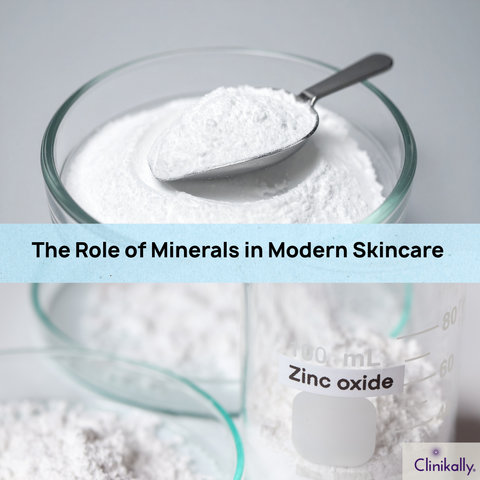
With modern advancements in the science of skin care, minerals have become the key to attaining healthy, radiant skin while also supporting clean, natural, and potent skincare solutions. Ingredients such as titanium dioxide, zinc oxide, and iron oxides not only have a value for their protective qualities but also have an inherent capacity to boost skin tone, texture, and general vitality. Titanium dioxide and zinc oxide are both well-established as safe, non-irritating sunscreens. It is so because these create a physical barrier against destructive UV radiation. This results in lessening the likelihood of sun damage and premature aging. Iron oxides, however, do more than color correct. These also play a crucial role in protecting against blue light and environmental stressors. Together, the minerals represent the future of science-driven, multi-tasking skincare.
Titanium Dioxide: The Protector Against UV Damage
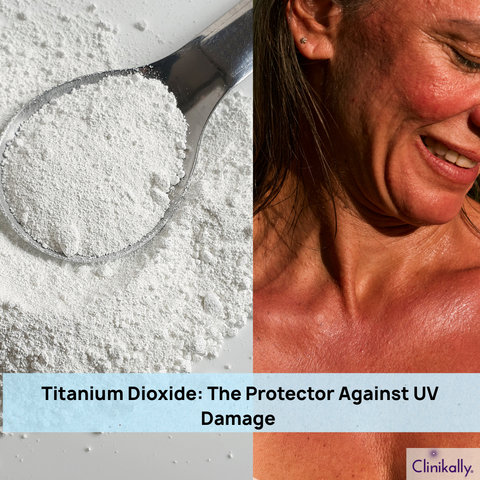
Titanium dioxide is one of the most reliable minerals used in sun care and skin care. It is a physical sunscreen filter. It forms a safeguarding shield that reflects and scatters harmful rays, thus preventing their penetration into the skin. This makes titanium dioxide a must-have ingredient in mineral sunscreens, daily moisturizers, and clean beauty products:
-
It blocks both UVA and UVB rays. This helps in minimizing the risk of sunburn, premature aging, and skin cancer.
-
It is non-comedogenic and hypoallergenic. This makes it perfect for acne-prone and reactive skin types.
-
Titanium oxide is certified as reef-safe and environmentally friendly, thus emerging as a true clean skincare product.
-
Contemporary sunscreen formulations ensure minimal white cast, providing sheer and lightweight coverage.
-
Titanium Oxide prevents the breakdown of collagen. It thus prevents formation of wrinkles resulting from repeated sun exposure.
By protecting skin from dangerous UV rays in a safe, natural, and effective way, titanium dioxide remains a skincare favourite.
Zinc Oxide: Soothing and Healing for Sensitive Skin
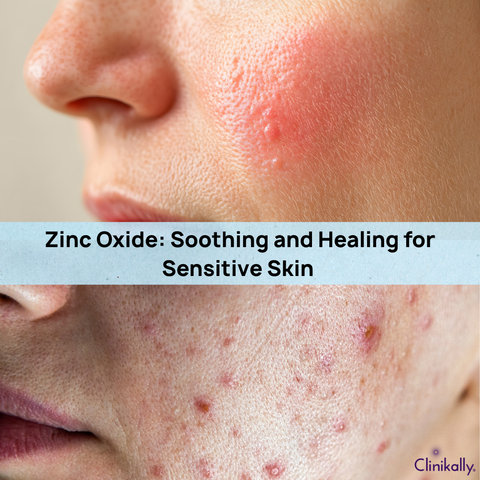
Zinc oxide has gained its reputation as a skincare necessity for sensitive, inflamed, and acne-suffering skin. It not only is a reliable physical sun filter, but also exhibits therapeutic properties that soothe inflammation, promote healing, and fortify the skin's own defense. It has a non-irritating and soothing nature, hence it is an ingredient star in dermatologist-recommended sunscreens, diaper creams, and calming products.
-
Zinc oxide offers natural sun protection by protecting against UVA and UVB rays.
-
It exhibits anti-inflammatory effects. Hence, it effectively minimises redness, irritation, and flares of acne, rosacea, and eczema.
-
It is non-comedogenic in nature, hence won't clog pores or cause skin irritation.
-
It effectively repairs the protective barrier of the skin, thereby maintaining moisture and protecting against environmental aggressors.
-
Zinc oxide plays a significant role in controlling oil and sebum. It absorbs excess oil that helps to balance skin.
-
It has gentle yet effective action, hence is safe for all ages and is used extensively in baby care and sensitive skin formulations.
-
It enhances wound healing. Small cuts, burns, and blemishes get healed due to its reparative benefits.
With its dual function to protect and heal, zinc oxide is still one of the most diverse minerals used in contemporary skincare products.
Iron Oxides: The Hidden Shield Against Visible Light
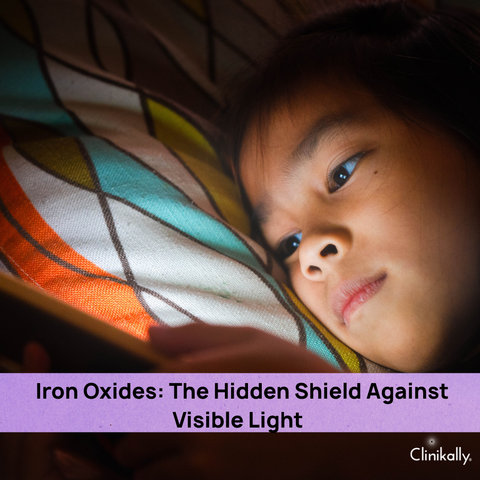
Usually, iron oxides are appreciated for their role in nature-derived colorants in cosmetics, however this is not their only benefit. Iron oxides also provide potent defense against visible light, including blue light from digital screens. These harmful rays are associated with skin pigmentation, irregular tone, dark spots, uneven skin tone and premature aging. Iron oxides are revolutionizing contemporary skincare and clean beauty products due to variety of reasons:
-
Iron Oxides protect the skin from high-energy visible (HEV) light, thus diminishing melasma and other forms of hyperpigmentation.
-
It also neutralises unbalanced skin tone, and helps in softening imperfections for a smoother, more luminous complexion.
-
Iron oxide provides dense, long-lasting color in various skincare and cosmetic products, including tinted sunscreens.
-
It also acts synergetically in combination with other minerals such as titanium dioxide and zinc oxide. This helps in increasing overall protection against environmental stressors.
-
Iron Oxide is safe and stable as it is non-toxic, non-irritating, and oxidation-resistant. As a result, it provides long-lasting protection and performance.
-
It is due to Iron Oxides that skincare and cosmetic brands are able to develop wide shade ranges that cater to all skin tones.
Iron Oxides have become a key ingredient in today's multitasking, skin-intelligent products because it provides protection against blue light damage and natural coverage.
Beyond Sun Protection: The Science Behind Mineral Benefits
In the changing world of skincare, minerals are not only being used as sun protectants but also as multi-tasking ingredients that benefit overall skin health. For example, titanium dioxide and zinc oxide are major physical sunscreen ingredients as they provide protection against harmful UVA and UVB radiation. These minerals, in combination with Iron Oxides, provide a unique blend of environmental protection, anti-aging benefits, and complexion enhancement. According to some researchers, this combination also soothes inflammation, firms and strengthens the skin barrier, and shields against blue light emission from electronic devices. Iron oxides also add natural color, so that sunscreens, BB creams, and mineral foundation can be more inclusive, skin-nourishing formulations. With increased demand for clean beauty and dermatologist-approved skincare, these mineral-based solutions are the new benchmark for safety, efficacy, and daily protection. This unique combination helps to achieve a healthy, radiant, and resilient skin.
Antioxidant Action: Fighting Free Radicals Naturally
Aside from their function in sun protection, minerals such as titanium dioxide, zinc oxide, and iron oxides also protect the skin with strong antioxidant activity. Volatile molecules produced by UV radiation, pollution, and stress are called Free Radicals. These are the leading cause of premature aging, dullness, uneven skin tone and compromised skin barrier. As these neutralise these toxic molecules, thus functioning as natural protectants and help in maintaining skin healthier, smoother, and stronger.
-
These minerals effectively neutralizes oxidative stress and shields skin cells against free radical-induced damage.
-
Minerals also play a key role in the prevention of premature aging. These effectively reduce fine lines, wrinkles, and loss of firmness caused by environmental aggressors.
-
These strengthen the skin barrier by supporting hydration and reinforcing the defense against daily pollutants.
-
These minerals minimise dullness and make the skin brighter and more radiant.
-
These minerals facilitate skin repair and regeneration for long-term resilience.
-
These minerals act synergistically with vitamins E and C for increased skin defence and protection against harmful free radicals.
These minerals act as natural guardians of the skin that effectively combat free radicals at their source. This helps in keeping the skin healthy, vibrant, and resilient against external aggressors.
Anti-Inflammatory Effects: Calming Irritated Skin
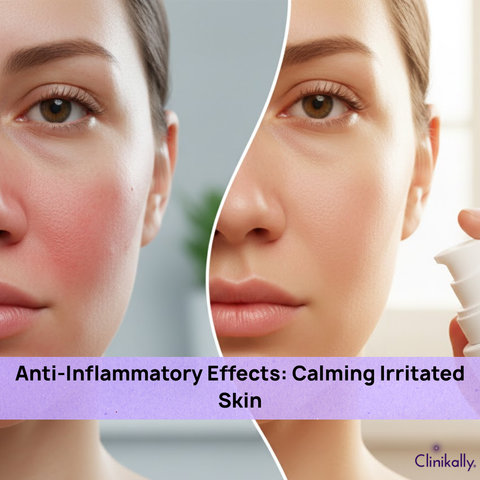
Skin inflammation is usually caused by an exposure to the sun, pollution, acne, or sensitivities in the skin. Minerals such as zinc oxide, titanium dioxide, and iron oxides are protective and highly effective anti-inflammatory agents. These minerals help to calm redness and bring balance to irritated skin. Hence, these are the key ingredients that are found in dermatologist-endorsed sunscreens, healing creams, and sensitive-skin treatments.
-
These minerals relieve flare-ups of acne, rosacea, eczema, and sunburn.
-
Minerals gently protect sensitive skin from outside irritants without blocking pores and causing pimples.
-
They also facilitate and accelerate skin healing and minimise blemishes, rashes, and superficial wounds.
-
Minerals are capable of strengthening skin resilience. They improve the skin barrier function to minimize future irritation.
-
Minerals are safe for sensitive skin as these are non-irritating, hypoallergenic, and commonly used in baby care and medical-grade skincare.
-
Minerals perform dual action, as these deliver skin soothing and calming effects and also environmental protection in a single product.
Thus, minerals exhibit a natural anti-inflammatory effect that renders them invaluable in attaining calm, balanced, and healthier-looking skin on a daily basis.
Brightening & Tone Correction: The Power of Iron Oxides
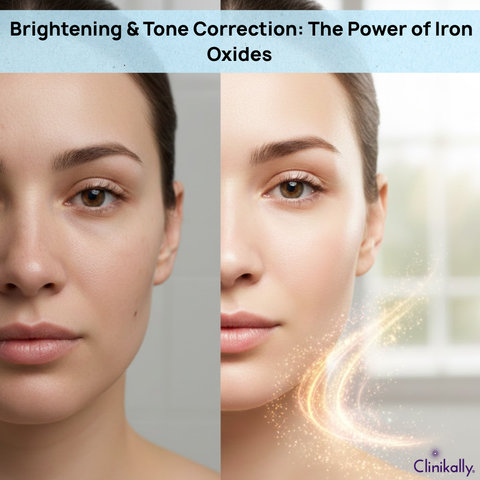
Iron oxides are multifunctional minerals that correct uneven tone, minimize pigmentation and melasma, and add a natural-looking radiance to the skin. Hence, these are widely used in skincare and cosmetic preparations for a plethora of regions:
-
Iron Oxides improves skin un-evenness and color by canceling out redness, yellowness, and minimising pigmentation.
-
These also exhibit skin-brightening effects. It adds glow, and imparts a healthy and radiant skin finish.
-
Iron oxides also provide protection against visible light and blue light. This helps in avoiding dark spots and hyperpigmentation.
-
It helps in making formulations for all skin tones, thus promoting beauty diversity.
-
Iron oxides ensure a long-lasting wear. It delivers stable, fade-proof color for all-day confidence.
-
It is beneficial to the environment as well.
By combining cosmetic benefits with protection of the skin, iron oxides present an assertive option for individuals who desire radiant, even, and bright skin. Iron oxides have special capacity to correct skin tone as they protect against visible light damage.
Choosing Mineral-Based Skincare for Your Routine
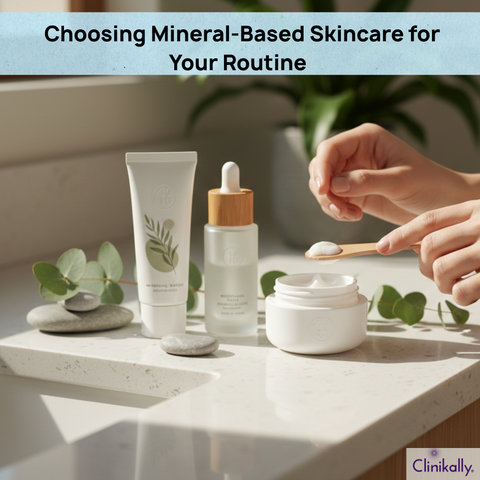
With an increase in consumers' demand for clean beauty and skin-safe products, more individuals have started to reach out for mineral-based skincare. It is so because it is safe, efficacious and environmentally friendly. Titanium dioxide, zinc oxide, and iron oxides deliver a plethora of advantages such as broad-spectrum sun protection, skin soothing benefits, and tone-correcting benefits. As a result, these minerals have become an essential in today's skincare regimen.
-
Titanium dioxide and zinc oxide rich mineral sunscreens give broad-spectrum protection against UVA rays, UVB rays and visible light. This helps in the prevention of premature ageing, sunburn and excessive pigmentation exacerbation. This property makes these a favourite all through the year.
-
Mineral ingredients are hypoallergenic, non-irritating, and soft. This makes it ideal for acne, rosacea, or eczema skin. While chemical filters often get absorbed, these mineral ingredients remain on the skin surface in the form of a protective shield. As a result, there is a negligible danger of irritation or allergic contact. This property of minerals makes them a risk-free everyday choice for kids and people with sensitive skin. As a result, it is a top dermatologist's choice.
-
Minerals such as zinc oxide possess inherent anti-inflammatory, healing, and soothing properties. These help to minimize skin redness, irritation, and inflammation, which is often the result of environmental stress, sun exposure, or acne. They soothe inflamed skin, hasten the healing time of blemishes or minor cuts, and enhance the barrier function of the skin to prevent continued irritation.
-
Iron oxides not only offer natural pigment but also improve the skin tone, lighten complexion, and reduce hyperpigmentation. These are usually found in tinted mineral sunscreens and mineral foundations. These minerals protect the skin against blue light that is emitted by digital screens. Blue Light is capable of exacerbating dark spots. Hence, mineral-based skincare products have become an essential in today’s lifestyle that is built around technology.
-
Mineral sunscreens are also known as reef-safe substitutes for usual chemical sun-filters like oxybenzone and octinoxate that are toxic to aquatic life. They are also biodegradable, sustainable, and in accordance with the increasing trend for eco-friendly beauty. Using them is exercising care for your skin while being kind to the planet.
-
Mineral formulas commonly offer antioxidant benefits. These neutralize free radicals caused by UV light and air pollution. As a result, it helps protect collagen, reduces wrinkles formation, and prevents oxidative stress. This makes the skin appear dull and tired. Combining these minerals with Vitamin C and Vitamin E makes them even more skin-protective.
Selecting mineral-based skincare is about embracing a whole-systems philosophy of beauty and wellness. The incorporation of these potent, naturally sourced ingredients into your daily life proves to be very beneficial. It helps to cultivate healthier, brighter, and more resilient skin, while also contributing to a safer, more sustainable future in skincare.
Mineral Sunscreens vs. Chemical Sunscreens: What Sets Them Apart
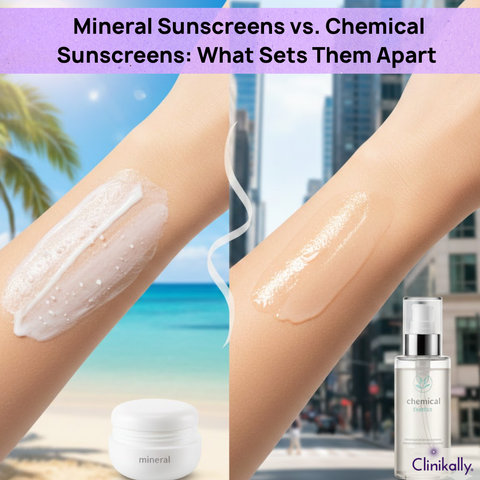
Both chemical and mineral sunscreens protect the skin from damaging UV rays. However, these both function in rather distinct manners and have distinct advantages. Knowing these differences informs you to make wiser, skin-conscious decisions for your day-to-day life.
-
Mineral sunscreens (zinc oxide and titanium dioxide) are physical blockers that remain on the surface of the skin, reflecting and scattering the UVA and UVB rays. Chemical sunscreens absorb UV rays and break them down into heat, which is released from the skin.
-
Mineral sunscreens are hypoallergenic, non-irritating, and suitable for sensitive, acne-prone, or reactive skin. Chemical sunscreens can cause irritation, stinging, or breakouts in certain people.
-
Mineral formulas begin protecting as soon as they're applied. Chemical sunscreens take approximately 20 minutes to become effective.
-
Mineral sunscreens are generally known to be reef-safe and environmentally friendly. Chemical filters oxybenzone and octinoxate have been implicated in coral reef damage.
-
Mineral sunscreens do sometimes give a pale white cast, although newer tinted versions reduce this. Chemical sunscreens tend to mix invisibly but can feel heavier or clog pores.
-
Minerals like zinc oxide also deliver soothing, healing, and free radical-fighting properties. Chemical sunscreens focus primarily on UV absorption, without these added skincare benefits.
Choosing between mineral and chemical sunscreens ultimately depends on your skin type, lifestyle, and values. However, with their gentle action, immediate protection, and eco-conscious profile, mineral sunscreens are increasingly seen as the healthier, safer, and more holistic option for long-term skin wellness. Few highly dermatologist-recommended mineral sunscreens are:
-
La Shield Pollution Protect Mineral Sunscreen Gel SPF 50 PA+++
-
Chosen Safescreen Mom & Baby Mineral Sunscreen SPF 50+ PA++++
Best Practices for Applying Mineral Products
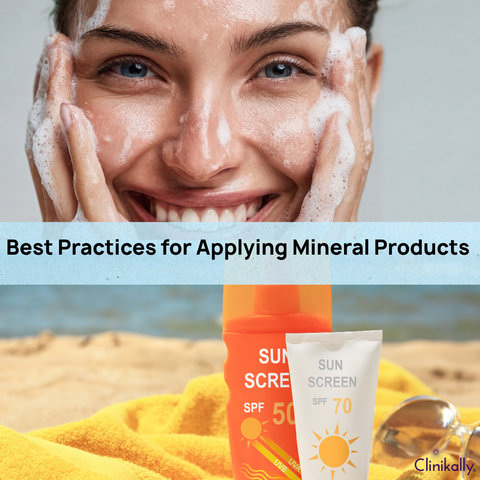
Mineral-based cosmetics and skincare are becoming increasingly popular due to their safety, efficacy, and gentleness on the skin. However, correct application of mineral based skin products is the most crucial aspect as it is the key to maximum protection, even coverage, and prolonged wear. Here are eight tips to improve your mineral-based skin care regimen:
-
Clean, wash and prepare your skin to have minerals stick evenly.
-
Apply moisturizers and serum before using mineral products. This helps to seal in moisture and prevent moisture loss.
-
For mineral based sunscreens, apply enough product to thoroughly cover skin that is exposed to sun for good UV protection.
-
Mix the skincare products well with fingers, a brush, or a sponge, blend mineral formulas evenly without streaks.
-
Don't rub the products too aggressively. Instead, it is recommended to pat or press products onto the skin. This helps with their protective barrier.
-
Select tinted mineral products containing iron oxides to fight blue light and even out skin tone.
-
Reapply mineral based products. It is advised to reapply these products, especially sunscreen every 2–3 hours or following physical activities such as swimming/sweating.
-
For makeup, use a mineral rich finishing powder. This helps improve the stay of the product and absorb shine naturally.
By adopting these best practices, you not only get the most protective and calming effects of minerals but also perfect coverage and skin confidence throughout the entire day. Adding these routines ensures that your mineral makeup and skincare products collaborate to provide healthier, glowing, and resilient skin.
Addressing Common Myths About Mineral Ingredients
Mineral-based skin care has emerged as a beauty trendsetter. This has led to an increased influx of misinformation regarding the same. Unfortunately, people believe and cling to these fake and inaccurate information. This inaccurate information prevents them from indulging in their optimal benefits.
-
Myth 1: Mineral sunscreens are less effective as chemical counterparts.
Fact: Zinc oxide and titanium dioxide present in mineral sunscreen give the same, or better, broad-spectrum UVA/UVB protection as chemical filters.
-
Myth 2: Minerals deposit a heavy white residue on skin.
Fact: No, modern and contemporary products are light, sheer, and slightly tinted for a naturally refined look.
-
Myth 3: Minerals clog pores and can cause breakout.
Fact: Minerals are non-comedogenic. Hence, these are safe for acne-prone and sensitive skin.
-
Myth 4: They are chalky or greasy in texture.
Fact: Innovation in formulation of these products provide silky and smooth texture for everyday wear.
-
Myth 5: Mineral skincare is reserved only for sensitive skin.
Fact: Though mineral skincare is soothing and plays a significant role in calming the skin, and is highly recommended for sensitive skin, people of all skin types can reap their antioxidant benefits.
-
Myth 6: Minerals don't protect against stressors of everyday life.
Fact: Iron oxides guard against blue light, and zinc oxide and titanium dioxide combat oxidative stress.
-
Myth 7: They can't appear attractive on darker skin tones.
Fact: Tinted mineral products containing iron oxides now provide diverse shade lines to suit every complexion.
-
Myth 8: Mineral sunscreens aren't environmentally friendly.
Fact: Mineral based products are eco-friendly and cause minimal damage to coral reefs in contrast to their chemical counterparts. Coral reefs are the largest living ecosystems in the world.
By dispelling these myths, it is evident that mineral ingredients are not only safe but also extremely effective, versatile, and forward-looking. Going for mineral products means adopting clean, protective, and inclusive skincare alternatives that cater to the demands of contemporary lifestyles.
Embracing Mineral Magic for Healthy, Radiant Skin
Mineral skincare is no longer solely about the sun. Instead, it has evolved into a comprehensive skin philosophy. Titanium dioxide provides significant UV protection, Zinc Oxide heals and soothes the skin, and iron oxides provide blue light defense and skin tone correction. These minerals provide a synergy of benefits that respond to contemporary concerns. They soothe inflammation, combat free radicals, reinforce barrier strength, and brighten complexion. This all is achieved without being harsh on skin, environmentally unfriendly, or unsuitable for every skin type.
As beauty trends shift toward clean, sustainable, and dermatologist-approved solutions, minerals stand out as the gold standard of skincare innovation. Incorporating them into your daily routine isn’t just a protective step, in fact it has become a commitment to long-term skin wellness, radiance, and resilience. By choosing mineral-based products, you’re not only caring for your skin today but also safeguarding its future against environmental stressors and premature aging.