The Complete Guide to Berberine: Proven Health Benefits and Research
Berberine is a bioactive substance available in plants such as barberry and goldenseal, which has become the focus of the world in its extensive array of scientifically proven health benefits. Berberine, a long-standing component of the traditional Chinese and Ayurvedic medicine system, is currently becoming popular in the wellness community due to its possible effects on maintaining blood sugar levels, weight, heart, and other. The most interesting aspect is its effectiveness on the cellular level, which enhances metabolism and promotes overall body balance. We will discuss the most recent studies, reveal the mechanism of action of berberine, and explain why this natural supplement is becoming one of the most discussed in the health and fitness industry.
Understanding Berberine: A Natural Health Powerhouse

Berberine is a powerful natural chemical that has received widespread attention for its numerous health advantages. It is a biologically active alkaloid found in several plants, including goldenseal, Chinese goldthread, and phellodendron. Berberine, which has long been used in traditional Chinese and Ayurvedic medicine, is currently being investigated for its potential to improve metabolic health, blood sugar homeostasis, heart health, and weight loss.
What Is Berberine?
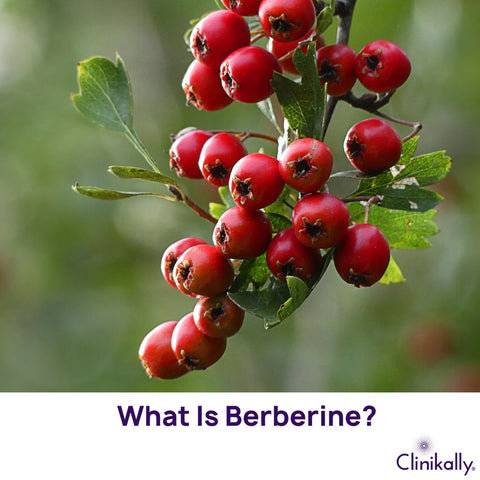
Berberine is a natural chemical compound that is present in several plants, such as Oregon grape and barberry. It has a vivid yellow color; the compound also has a bitter taste and has been used by different cultures in traditional medicine for centuries.
Historically, the plants of berberine were used for the treatment of various conditions like digestive problems and infections, among others. A recent study reveals that it may help to restore insulin sensitivity, reducing weight loss and lowering lipids, thus suggesting that berberine could be a natural remedy for the purpose of weight loss support.
Nowadays, berberine is more frequently taken from the entire plant and offered as a supplement in the form of capsules, frequently promoting its benefits for the heart and metabolism.
Generally, Berberine is known as an alkaloid and can be found in various plants such as barks, leaves, twigs, rhizomes, roots, and stems of tree turmeric, Oregon grape, and barberry. It has been a part of Ayurvedic medicine and traditional Chinese medicine as an antimicrobial, antiprotozoal, and antidiarrheal agent in the past. The majority of research on humans has been related to berberine and its influence on glycemic control markers, blood lipids, liver function markers, and metabolic disorder-associated anthropometric measures.
The Science Behind Berberine: How It Works Inside Your Body?

The scientific reason behind the berberine's function inside the body is complex and multifactorial, involving various cellular and metabolic pathways, especially those related to glucose and lipid regulation, energy homeostasis, and the gut microbiome.
Berberine is a yellow-colored chemical classified as an isoquinoline alkaloid that binds to several molecular targets inside cells, changing their function, which is comparable to how pharmaceutical drugs work.
Here is a detailed explanation of the major scientific mechanisms by which berberine exerts its therapeutic effects:
1. Improves Insulin Sensitivity
-
Berberine helps your body manage blood sugar more effectively and controls sugar levels.
-
It supports your muscles and tissues to absorb sugar from the blood and reduces the liver’s sugar production.
-
Keeping your energy levels stable throughout the day.
2. Improves Gut Health
-
Berberine supports healthy gut bacteria, which play a big role in digestion, metabolism, and overall wellness.
-
It also helps your body absorb nutrients better.
3. Reduces Inflammation & Stress
-
Acts as a powerful antioxidant, protecting cells from damage.
-
Improves vascular health and supports blood pressure regulation.
Berberine vs. Other Natural Remedies: The Key Differences Explained
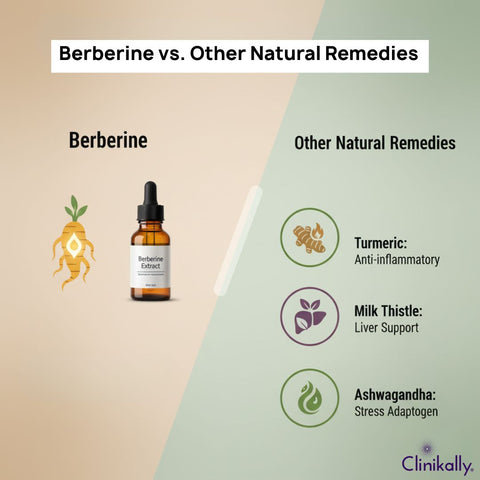
When it comes to natural health supplements, berberine has been popular for the most powerful natural ingredient and benefits. But how does it compare to other popular herbal remedies like green tea extract, ashwagandha, or turmeric? Each of these natural ingredients offers unique health benefits, yet berberine stands out for its scientifically proven effects on metabolism, blood sugar regulation, and heart health. Let’s take a closer look at what truly sets berberine apart from other natural remedies in terms of effectiveness, science, and overall wellness impact.
|
Aspect |
Berberine |
Other Natural Remedies |
|
Source |
Derived from plants like barberry, goldenseal, and tree turmeric |
Includes herbs like turmeric, ashwagandha, ginseng, and green tea |
|
Primary Benefits |
Supports blood sugar balance, weight management, cholesterol control, and metabolism |
Varies by herb, may support stress relief, inflammation reduction, or energy boost |
|
Scientific Research |
Backed by numerous clinical studies highlighting metabolic and cardiovascular benefits |
Some have research support, but often less extensive than berberine |
|
Mechanism of Action |
Activates AMPK (a key enzyme regulating metabolism and energy balance) |
Works through diverse pathways depending on the herb |
|
Usage Popularity |
Rapidly growing in the supplement market for metabolic health |
Popular for general wellness and specific health goals |
|
Side Effects |
Generally mild (possible digestive discomfort in high doses) |
Depends on the remedy; varies by type and dosage |
Proven Benefits of Berberine for Better Health and Wellness

Berberine is a potent natural supplement with numerous scientifically proven health benefits. It is an excellent supplement for a variety of health issues due to its significant impact on metabolic health, cardiovascular wellness, and digestive function. Here are some most effective berberine benefits:
Blood Sugar Control: A Natural Support for Diabetes

Berberine efficacy in controlling the blood sugar levels is mostly due to its ability to activate AMP-activated protein kinase (AMPK). AMPK is commonly known as a master regulator of cellular metabolism. Berberine activates AMPK, which improves the body's ability to regulate glucose metabolism, insulin sensitivity, and glucose uptake by cells. This is how it works.
-
Improved Insulin Sensitivity: Berberine improves insulin sensitivity, which enables glucose uptake into cells and tissues. This reduces total insulin resistance, which is prevalent in type 2 diabetes and metabolic syndrome.
-
Increased Glucose Uptake: Berberine improves insulin sensitivity, allowing tissues, particularly muscle and fat cells, to absorb glucose from the bloodstream more efficiently, decreasing blood sugar levels.
-
Regulation of Glucose Production in the Liver: Berberine inhibits hepatic glucose production, the mechanism by which the liver produces glucose. In persons with type 2 diabetes, the liver frequently produces excess glucose, resulting in high blood sugar levels. Berberine helps to manage this process by preventing the liver from releasing too much glucose into the bloodstream.
Berberine for Lowering Cholesterol
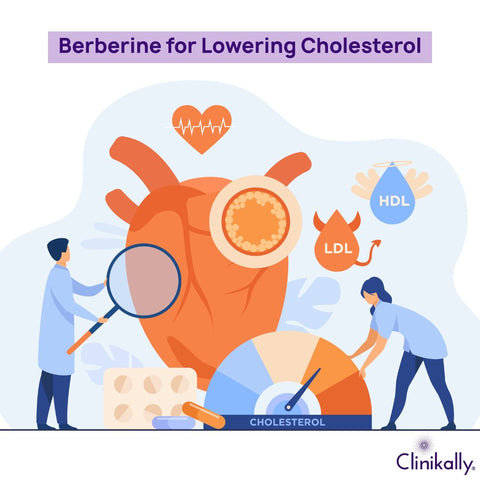
Berberine can naturally support and improve heart health. Scientists suggest it can help lower bad cholesterol (LDL) and triglycerides while raising good cholesterol (HDL), making it an effective option for improving overall lipid balance.
-
Reduces bad cholesterol: Berberine helps lower low-density lipoprotein levels, which are linked to plaque buildup and heart disease.
-
Increases good cholesterol: It boosts high-density lipoprotein levels, promoting better heart and blood vessel health.
-
Lowers triglycerides: Berberine helps decrease excess fats in the blood, reducing cardiovascular risk.
-
Improves liver function: It supports the liver’s ability to clear cholesterol more efficiently from the bloodstream.
-
Regulates cholesterol production: Berberine limits the enzyme responsible for cholesterol synthesis, naturally balancing lipid levels.
-
Fewer side effects: Compared to some statin medications, berberine offers a gentler, plant-based option for managing cholesterol.
Gut Health and Digestion
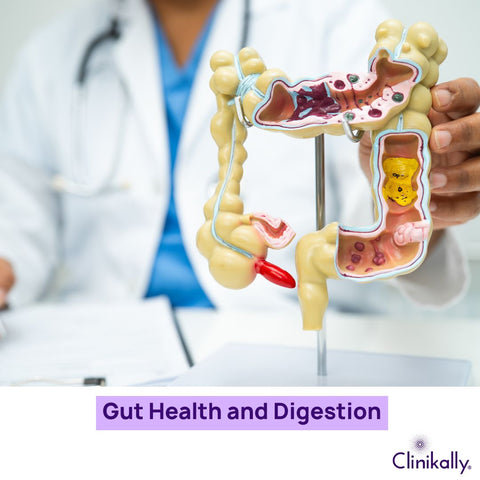
A good gut is the base of complete wellness. The gut microbiome, which consists of trillions of microorganisms, is involved in digestion, nutrient absorption, and even mental and immune health. The overall well-being that comes from maintaining this balance through a good diet, hydration, and stress management is remarkable. We have outlined the various habits and foods that positively impact gut health and digestion in the following paragraphs.
-
Complex ecosystem: The gut microbiome is made up of trillions of microbes, including bacteria, viruses, fungi, and other microorganisms that live in the digestive tract.
-
Key functions: These microbes help break down food, aid nutrient absorption, and influence digestion, immunity, metabolism, and mental well-being.
-
Healthy diet: A fiber-rich diet supports gut health. Foods like fruits, vegetables, whole grains, legumes, and nuts act as prebiotics that feed beneficial bacteria.
-
Fermented foods: Yogurt, kefir, sauerkraut, kimchi, and kombucha are probiotic-rich and help restore and maintain healthy gut flora.
-
Avoid processed foods: Processed foods high in sugar, unhealthy fats, and additives can disrupt gut balance and increase inflammation.
-
Manage stress: Chronic stress harms gut health. Mindfulness, meditation, exercise, and quality sleep can help maintain balance.
-
Stay hydrated: Drinking plenty of water supports digestion, nutrient absorption, and smooth movement of food through the intestines.
-
Gut-brain connection: A healthy microbiome benefits not only digestion but also mental health, emphasizing the strong link between gut and brain.
-
Overall wellness: Caring for the gut is a key step toward improving overall physical and mental well-being.
Berberine for weight loss

Berberine has become well-known as a natural substance that promotes long-term, healthful weight loss. It functions at the metabolic level to help the body burn fat more effectively and naturally regulate appetite, in contrast to fast fixes. Berberine helps to decrease body fat and enhance the body's capacity to regulate weight over time, according to studies.
How Berberine Helps with Weight Loss:
-
Boosts Metabolism: Berberine activates AMPK, an enzyme that enhances the body’s ability to burn stored fat for energy, increasing overall calorie expenditure.
-
Reduces Fat Storage: It helps prevent the accumulation of new fat cells by regulating how the body processes and stores energy.
-
Controls Appetite: Berberine may influence hunger hormones, helping to reduce cravings and prevent overeating.
-
Enhances Fat Breakdown: It promotes the conversion of stored fat into usable energy, supporting gradual and steady fat loss.
-
Improves Body Composition: Regular use, combined with diet and exercise, can lead to noticeable reductions in body fat percentage.
When taken consistently and paired with a balanced lifestyle, berberine can be a powerful ally in achieving and maintaining healthy weight loss naturally.
How to Add Berberine to Your Wellness Routine?

Adding berberine to your daily routine promotes well health. It promotes Blood sugar balance, improved metabolism, and improved heart health. Berberine usually comes in a capsule or powder form, and its benefits can be maximized when consumed along with a healthy diet and an active lifestyle. Nevertheless, starting with the proper dosage and consulting with a healthcare professional, especially if you're on medications or dealing with chronic conditions, is very important. Through thoughtful integration, berberine can be a precious and helpful element in your wellness journey.
Additional Health Benefits of Berberine
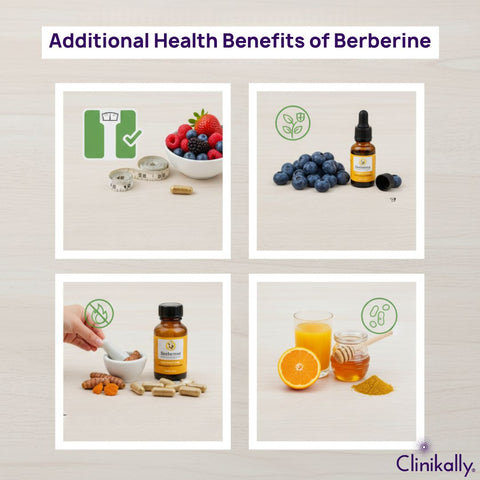
Berberine’s impact on human health goes far beyond metabolism and weight management. Emerging research and experimental studies reveal its potential to support several other areas of wellness:
-
Supports Mental Health (Depression): Animal studies suggest that berberine may help alleviate symptoms of depression by influencing neurotransmitters like serotonin, dopamine, and norepinephrine, the same brain chemicals targeted by many antidepressant medications. This indicates its potential to promote emotional balance and improve mood.
-
May Help Fight Cancer: Test-tube and animal studies have shown that berberine can slow the growth and spread of various cancer cells, including those related to breast, colon, liver, and prostate cancers. It may work by inhibiting tumor formation, preventing cancer cell replication, and promoting the natural death of abnormal cells.
-
Reduces Stress and Inflammation: Berberine possesses strong antioxidant and anti-inflammatory properties that help protect the body’s cells from damage caused by free radicals. By reducing inflammation, it may support overall health and lower the risk of chronic diseases linked to oxidative stress.
-
Help from Harmful Infections: Laboratory studies indicate that berberine may help suppress the growth of harmful bacteria, viruses, and fungi. This antimicrobial activity suggests potential benefits in managing infections and supporting immune health naturally.
Dosage and Safety: How Much Berberine Should You Take?
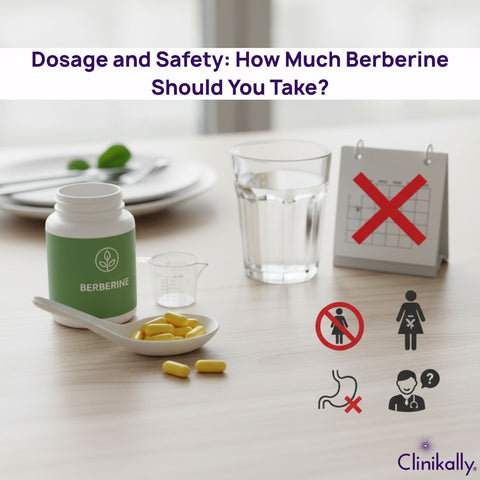
In the most recent studies, dosage used ranged from 500 mg and 1500 mg per day, which focused on the health benefits of berberine. Taking 500 mg three times daily before a meal and 1,500 mg per day for an effective method. Taking the dose throughout the day not only helps to keep the level of berberine in the body consistent but also might lead to better absorption of the drug.
Berberine, however, is not recognized as a safe drug for all adults and is considered to interact with some medications. One of such interactions is that with cyclosporine, which is an anti-rejection drug. Besides, due to its blood-sugar-lowering effect, patients treated with diabetes drugs or insulin should get approval from a practitioner before taking it, so that the risk of hypoglycemia is avoided.
In general, berberine is a very safe supplement, and the recommended dosage is followed. The most frequent side effects, which are generally mild, pertain to the digestive system and include nausea, constipation, stomach cramps, or diarrhea. The effects usually get weaker as the body gets accustomed to the supplement. Also, starting with a lower dose and slowly increasing it can be an effective method to avoid the side effects.
If you are suffering from any medical condition, pregnant or lactating, or taking any prescription drugs, it is better to discuss with a health expert before adding berberine into your daily routine.
Best Ways to Take Berberine: Capsules, Powders, or Tea?
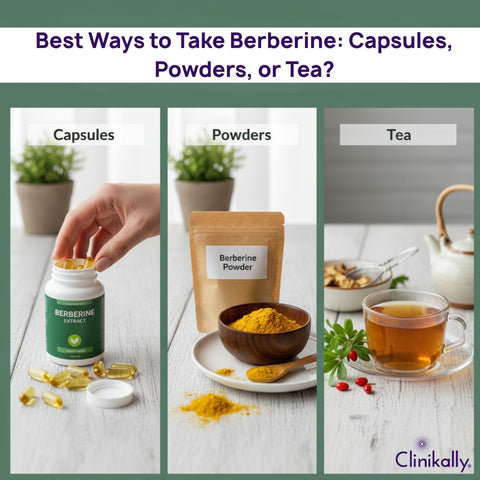
Berberine is a potent natural ingredient that can help regulate blood sugar, lower cholesterol, and improve general health. When including berberine in your health routine, selecting the appropriate form (capsules, powders, or tea) can influence absorption, convenience, and effectiveness. The various types of berberine and how to select the best one for your needs:
Berberine capsules:
Berberine capsules are the most popular and convenient way to consume berberine. They include a pre-measured dosage, making it simple to track how much you're consuming.
-
No need to measure or mix, take it with you anywhere.
-
Each capsule contains a set amount (usually 500 mg), ensuring that your daily intake remains consistent.
-
Capsules have no flavor, making them an excellent choice for those who dislike the taste of supplements.
Berberine Powder:
Powdered berberine is another popular alternative, particularly for people who wish to vary their dosage or prefer to put it into a drink. Berberine powder is usually sold in bulk and can be dissolved in water, smoothies, or other liquids.
-
Powder allows for easier dose adjustment, making it an excellent choice for people who want to start with a lower dose and gradually increase it.
-
Powder is absorbed faster than capsules because it does not need to be broken down in the digestive system.
-
Most berberine powders are pure and do not contain any fillers or additives.
Berberine Tea:
This tea is made from berberine-containing plants such as goldenseal, Coptis chinensis, and Berberis vulgaris. It provides a more natural way to consume berberine.
-
Berberine can be taken naturally and soothingly through tea, especially if you enjoy herbal teas.
-
If you use a blend with other herbs, you may notice additional benefits, such as digestive support or immune-boosting properties.
-
Tea generally has a milder taste than berberine powder.
Potential Side Effects and Who Should Avoid Berberine

While berberine offers many potential health benefits, it’s not suitable for everyone. Depending on your health condition or medications, it may cause unwanted side effects.
Here are the most common side effects of berberine include:
-
Constipation: A condition characterized by infrequent bowel movements, often accompanied by discomfort, straining, and a feeling of incomplete evacuation.
-
Diarrhea: Frequent, loose, or watery bowel movements that can lead to dehydration and may be accompanied by cramping and urgency.
-
Gas and bloating: The buildup of intestinal gas can cause a feeling of fullness or swelling in the abdomen, often leading to discomfort and occasional sharp pains.
-
Nausea: A sensation of unease in the stomach that often precedes vomiting, bringing about feelings of discomfort and an aversion to food.
It’s always best to speak with a healthcare professional before adding berberine to your routine, especially in the following cases:
-
Berberine and Pregnancy: Research on the safety of berberine during pregnancy is still limited. Some early findings suggest it might trigger uterine contractions or miscarriage and could pose risks to the baby’s brain development. Until more evidence is available, pregnant women should avoid taking berberine to stay on the safe side.
-
Berberine and Drug Interactions: Berberine can interact with several medications. Because it may slow blood clotting, combining it with blood-thinning drugs could increase the risk of bruising or bleeding.
-
Berberine Before Surgery: It’s generally advised to stop taking herbal supplements like berberine two to three weeks before surgery. This helps avoid complications with anesthesia or side effects such as excessive bleeding. Berberine’s influence on blood sugar and clotting could affect both the procedure and recovery time.
Is Berberine Right for You?

Berberine can help to control blood sugar, manage your cholesterol, improve your intestinal health, and lose weight. However, you should examine your personal health needs, medical history, and any current medications.
-
Ideal for people with type 2 diabetes, pre-diabetes, insulin resistance, high cholesterol, weight loss goals, or digestive issues.
-
Use with caution if you have liver or kidney disease, are pregnant or breastfeeding, or are taking any medications that may interact with berberine.
Before taking any new supplement, including berberine, make sure it is safe and suitable for your needs by consulting with your doctor. With the right guidance, berberine can be an excellent addition to your health regimen, helping you achieve your wellness goals more successfully.