Metabolism in Winter: How Cold Weather Boosts Energy Burn
Doctor's Desk
Author
6 Dec, 2025
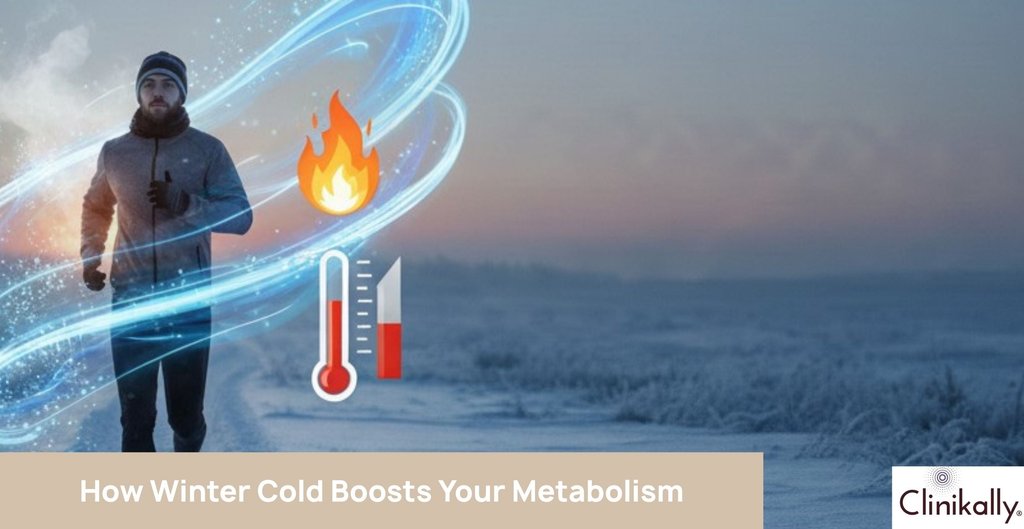
You might want to grab an extra blanket or another cup of coffee when the days become shorter and the air gets colder. The shift from warm summer days to cold winter nights does more than influence clothing. It changes how your body works. Our metabolism in winter, which is like our body's core engine, goes into a state of heightened awareness. It makes fascinating and complex changes to keep us warm and energized.
In this complete guide, we’ll explore the science behind how winter affects metabolism. We’ll also explain why cold weather metabolism is different, how your body tries to burn more calories to stay warm, and how you can use these seasonal metabolic changes to live a healthy life and lose weight in winter.
Understanding Metabolism in Winter

Metabolism is the complex set of chemical reactions that occur in living organisms to keep them alive. It is how we convert the food we eat into the energy our bodies need to breathe, pump blood, and think. During winter, this engine works harder because cold weather forces your body to use extra energy to maintain its core temperature of 37°C.
When you go outside into the cold weather, your body is immediately exposed to the cold. It has to use energy only to keep its core temperature from going down. This need to generate heat is what causes changes in metabolism in winters. Instead of just storing energy, which can make you gain weight in winter, the body focuses on thermogenesis, or making heat. This naturally increases energy expenditure in winters.
What Happens to Your Body in Cold Weather
When you breathe in cold air, your body triggers a rapid chain of events to conserve heat and produce more energy:
- Vasoconstriction: Blood vessels near the skin constrict, which pushes blood toward the core organs to prevent heat loss from the surface.
- Hormone Release: Hormones like norepinephrine and thyroid hormones are released to signal energy production.
- Shivering: When the weather becomes extremely cold, the body triggers rapid, involuntary muscle contractions (shivering), which is one of the metabolic ways of converting chemical energy into heat.
- Non-Shivering Thermogenesis (NST): This is the main change in metabolism. The body activates specialized fat cells to generate heat without any muscle movement. This process is crucial for metabolism in cold weather.
How Thermogenesis Drives Winter Metabolism
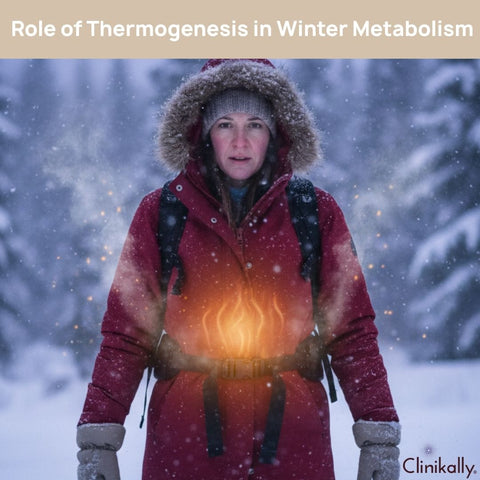
The fascinating rise of calorie burn in winter is due to a process called thermogenesis, which is caused by the activation of certain biological pathways.
Thermogenesis literally means "production of heat." It is the metabolic process by which your body burns calories to produce heat. There are three main types:
- Exercise Induced Thermogenesis: Burning calories through physical activity.
- Diet Induced Thermogenesis: The thermic effect of food, or TEF, is the process of burning calories to digest, absorb, and store food
- Adaptive Thermogenesis: Burning calories in response to environmental changes, primarily cold exposure. This is the mechanism responsible for seasonal metabolic changes.
Brown Fat Activation in Cold Weather
There are different kinds of fat in the body. Most of the fat in our body is White Adipose Tissue (WAT), which stores energy. But humans also have Brown Adipose Tissue (BAT), which is commonly known as brown fat.
Brown fat is full of mitochondria (the "powerhouses" of the cell) and is specialized to burn fat, not to store it, in response to cold.
When exposed to cold, the nervous system signals brown fat cells to initiate non-shivering thermogenesis (NST). Instead of producing ATP (the cell’s energy currency), brown fat uses a special protein to rapidly convert stored energy into heat. This process, known as brown fat activation, is one of the most effective pathways to burn fat in winter.
Your body works harder to maintain its core temperature in winter. Studies show that controlled cold exposure can increase your metabolic rate by 10 to 25 percent through adaptive and non-shivering thermogenesis.
This elevated metabolic activity explains why more calories are burned in winter. Your body requires extra fuel to stay warm, and it draws that fuel from both the food you eat and the fat stored in your body.
What Shapes Your Metabolism in Winter

While winter is a major factor, several other elements can work alongside it to speed up or slow down your metabolism.
One of the strongest triggers is cold exposure. Even mild cold (like 15°C or 59°F indoors) can stimulate brown fat activation without causing shivering. The body is highly sensitive to drops in temperature, and consistent exposure, even for short periods, encourages seasonal metabolic changes over time.
Another key factor is physical activity. Many people become less active due to shorter daylight hours, cold weather, and low motivation. This drop-in activity directly affects metabolism through the following ways:
- Lower Activity = Lower Energy Expenditure: A decrease in non-exercise activity thermogenesis (NEAT: the energy burned from fidgeting, walking, etc.) directly lowers total daily energy expenditure in winter.
- Reduced Muscle Mass: Over long periods of inactivity, a decrease in muscle mass can slow down your overall BMR, counteracting the natural cold calorie burn effect.
Diet, Sleep, and Hormonal Changes in Winter
Winter often shifts the eating patterns and hormonal balance, both of which influence metabolism. People tend to consume more calories during colder months because they crave thick, warm, high calorie comfort foods like stews, pasta, and baked items, which can contribute to winter weight gain.
Also, there is lower sunlight exposure in winter, which can cause vitamin D deficiency in the body, affecting energy and metabolic hormones.
Seasonal changes impact sleep as well. Decreased light exposure can change how much melatonin (the sleep hormone) and cortisol (the stress hormone) your body makes. Chronic stress or not getting enough sleep can disrupt the balance of metabolic hormones like leptin (which makes you feel full) and ghrelin (which makes you feel hungry). When these hormones fall out of balance, the body becomes more prone to storing fat instead of burning it.
How Your Body Adapts and Burns More Energy in Winter
Adaptive thermogenesis is your body's long-term response to cold weather, and it explains many of the seasonal metabolic changes that occur in winter. With repeated cold exposure, the body becomes better at generating heat without relying heavily on shivering. This adaptation happens through several key changes:
- Increased brown fat volume and activity which boosts heat production.
- Conversion of white fat into beige fat that behaves like brown fat and burns energy.
- Shifts in heat producing hormones that help maintain a slightly higher basal metabolic rate in consistently cool environments
This change helps your body burn fat in winter more consistently, even when you are at rest.
Seasonal energy expenditure also rises during winter. Studies show that people living in regions with real cold seasons burn more calories in winter than in summer because their bodies must generate additional heat. This increase in thermogenesis is a major reason why metabolism naturally elevates in colder months.
Diet and Nutrition for a Healthy Winter Metabolism

To support the extra work your body is doing for metabolism in winter, your diet needs to be intentional, nourishing, and aligned with your energy needs. Choosing the right foods can boost thermogenesis, stabilize energy levels, and help prevent unwanted weight gain in the winter season.
Start by including foods that improve energy and metabolic function:
- Complex Carbohydrates: Whole grains (oats, brown rice) provide steady fuel for thermogenesis.
- Lean Protein: Protein has the highest thermic effect, which means that you burn more calories when you consume it. Lean meats, fish, beans, and legumes are excellent options. You can also include a quality protein supplement such as Wellbeing Nutrition Protein, Nutrova Whey Protein Isolate etc., to make meeting your daily intake easier.
- Healthy Fats: Monounsaturated and polyunsaturated fats (avocados, nuts, fatty fish) help keep hormonal balance and provide you a lot of clean energy.
Certain nutrients are critical for brown fat activation process and the metabolism in winter season:
- Iron: Essential for oxygen transport, which supports mitochondrial activity in brown fat. Low iron can lead to chronic fatigue, making it harder for your body to boost energy in winter. Including an iron rich supplement such as Richar CR Iron tablets, Fur XT tablets, etc., can help maintain healthy levels when food intake falls short.
- B Vitamins: Necessary for converting food into energy.
- Iodine: Essential for healthy thyroid function, which regulates your BMR and responds quickly to cold exposure. If your diet is low in iodine, adding a supportive thyroid supplement can help. Options like Pure Nutrition Thyro Capsules or Thyro Fit Capsules can assist in maintaining optimal thyroid activity during winter.
- Vitamin D: Supports hormone regulation related to fat storage, immunity, and muscle health. Supplementation is commonly advised in winter due to reduced sunlight exposure. Some of the available options are Inlife Vitamin D3 tablets, Biogena Vitamin D Capsules, etc.
Role of Physical Activity in Winter Energy Burn

Don't let the weather get in the way! In winter, physical activity is even more vital because it helps you burn more calories.
When you work out in winter, your body has to do two hard things at once:
- Muscle Activity: Burning fuel to power movement.
- Thermoregulation: Burning fuel to stay warm.
This combination can significantly accelerate energy expenditure in winter. Furthermore, exercising outdoors (when safe) enhances cold exposure benefits making your body adapt faster.
Regular movement prevents the drop in BMR associated with a sedentary lifestyle and maintains or builds muscle mass. Muscle is metabolically active, which means it burns more calories when you are at rest than fat does. You keep the engine revving high by staying active, which makes it simpler to burn fat and achieve successful weight loss in winter.
Winter Metabolism: Myths vs Facts
It might be hard to find good advice on the internet. Let's sort out the facts from the myths regarding metabolism in winter.
Common Misconceptions about the winter metabolism are:
-
Myth: You must eat more food in winter because your metabolism speeds up so much
- Fact: Even if your BMR increases, the change is usually moderate. Even if you eat a lot more calories than you expend, you will still gain weight in winter.
-
Myth: Shivering burns a lot of calories and is the best way to lose weight.
- Fact: While shivering burns a lot of energy, yet it is not so effective. The slow, quiet, and steady heat production from brown fat activation is a better and more sustained metabolic goal.
Evidence Based Facts You Should Know
- Fact: Cold exposure benefits can be achieved by lowering your thermostat to 16-18°C (60-64°F) for a few hours a day, without needing to be uncomfortable.
- Fact: Eating chili peppers, which have capsaicin in them, can start thermogenesis and provide you a small, short-term energy boost in winter.
Weight Loss in Winter: What’s Real and What Isn’t
Cold weather naturally boosts your calorie burn, making winter a great time to support weight loss. Your body's need to stay warm naturally boosts your metabolism, helping you burn more fat through brown fat activation and increased calorie use. This effect becomes even stronger when you maintain good muscle mass and follow a structured routine.
The most important thing, though, is to combine the cold's natural boost with a disciplined diet and exercise plan. The cold makes things easier for you, but you have to be committed.
To capitalize on the benefits of cold exposure for weight loss in winter:
- Embrace Coolness: Lower the temperature in your bedroom to sleep better and subtle brown fat activation.
- Stay Active Indoors: Use indoor exercise routines (like High Intensity Interval Training, or HIIT) to fight the urge to stay inactive.
- Prioritize Protein: Make sure that every meal has a high-quality source of protein to get the most out of the thermic effect of food and preserve muscle.
Why Hydration Matters in Winter
People often forget about hydration while discussing metabolism in winter, yet it is really important.
You may not feel as thirsty in winter since you aren't sweating as much. But cold air is incredibly dry, and your body loses a lot of moisture through respiration (the visible breath in cold air is lost water vapor). You can get dehydrated faster than you think because of this respiratory water loss and the moderate diuretic impact of cold.
When you don't drink enough water, every function in your body slows down, even your metabolism. Water is necessary for all chemical reactions, even the ones that fuel thermogenesis and brown fat activation. Even a mild dehydration can lower your BMR, which means that all your efforts to boost energy and burn fat in winter will be for nothing. This dehydration also affects your skin and hair, making your topical treatments less effective. But you can follow these practices for hair rehydration remedies and skin dehydration.
Tips to Boost Metabolism in Winter

You can get the most out of your metabolism in cold weather by making a few simple and consistent changes.
- Take Cool Showers: Taking a cold shower for 30 to 60 seconds can safely trigger brown fat activation.
- Dress in Layers: Let yourself feel a little chilled indoors. Over bundling prevents your body from initiating its natural heat production processes.
- Boost NEAT: Find reasons to stand up, walk around, or fidget. Every action you take uses up energy in winter.
You can also alter your daily practices to support energy burn, such as:
- Drink Warm Water: Start your day with warm water or herbal tea. It helps keep you hydrated and is easier on your body than cold water, which lets your body focus on heat production rather than heating a cold drink.
- Spice Up Your Meals: Use spices like ginger, and cinnamon, which have mild thermogenic properties and help to boost energy in winter.
- Open a Window: Exposure to cold air for even 10 to 15 minutes a day can signal your body's metabolic system to ramp up the heat.
Conclusion
Metabolism in winter is a strong and active survival mechanism. Winter does not have to be a time when your metabolism slows down and you gain weight; it can be an opportunity to optimise your metabolic health with better nutrition, smart skincare, and small daily habits that support overall wellness. You can achieve this by understanding how your body responds to cold weather and supporting brown fat activation through food, movement, strategic cold exposure, and proper skin and hair care. Embrace the cold and let your body work for you.