Lauric Acid: The Unsung Hero of Healthy, Radiant Skin
Often, the hero element receives disproportionate attention while the major super ingredient responsible for its efficacy goes undiscovered. For example, consider coconut oil. Are you aware of the amazing component found in coconut oil? This is lauric acid. It is naturally found in a variety of plants and animal fats and is known for its skin-friendly antibacterial and anti-inflammatory qualities. This acid is commonly found in the most popular source for conditioning our hair and moisturizing our skin. In this post, we will look into lauric acid for skin, including its origins, benefits, and why it has become a popular ingredient in skincare products.
What is Lauric Acid?
Lauric acid is a saturated medium-chain fatty acid (MCFA) that is found mostly in coconut oil (approximately 50%) and palm kernel oil. In skincare, it is gaining popularity for its multi-functional qualities, which include not just hydration but also significant antibacterial and anti-inflammatory capabilities.
The Science Behind Lauric Acid
Lauric acid (C12) is a 12-carbon chain fatty acid. This structure makes it
-
Skin absorbs it easily.
-
Ideal for protecting and strengthening the lipid barrier.
-
A natural ally against bacteria, fungi, and inflammation
Sources of Lauric Acid
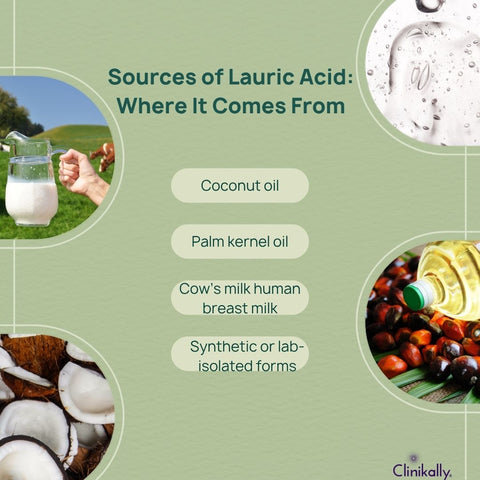
Lauric acid is a naturally occurring medium-chain fatty acid present in a variety of plant and animal oils. The most prolific and well-known source? Coconut oil. However, that is not the only location you will find it.
-
Coconut oil (Cocos Nucifera): Coconut oil (Cocos nucifera) contains up to 50% lauric acid. One of the richest and most often utilized ingredients in skincare. It is included into cleansers, moisturizers, balms, and acne treatments. It is commonly separated to isolate lauric acid or monolaurin, a potent antibacterial derivative.
-
Palm kernel oil: Palm kernel oil contains around 47–48% lauric acid. Derived from the seed of the oil palm fruit. Also commonly used in soaps, emulsifiers, and surfactants.
-
Cow’s milk & human breast milk: Cow's milk and human breast milk both contain trace levels of lauric acid (particularly breast milk, which boosts infant immunity). Not commonly utilized in skincare products, but amusing fact: this highlights lauric acid's biological relevance and gentleness.
-
Synthetic or lab-isolated forms: To ensure exact formulation control, some skincare products utilize lab-purified lauric acid or monolaurin, a more stable and potent derivative. These are commonly used in products that target acne, inflammation, or skin microbiota support.
How Lauric Acid Interacts with Your Skin
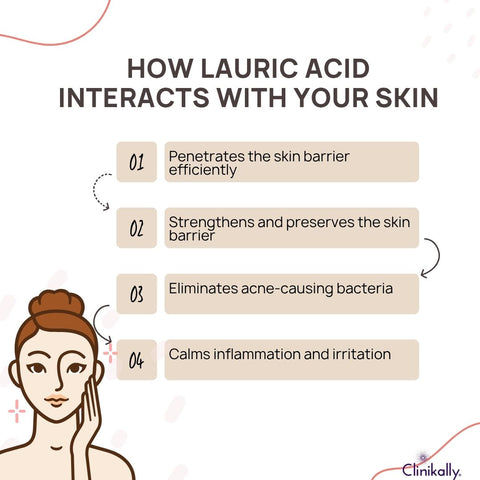
Lauric acid is more than just an ordinary moisturizer. Its unusual molecular structure and bioactive qualities allow it to interact with your skin in a variety of beneficial ways, making it a versatile ingredient in both natural and therapeutic treatments.
-
Penetrates the skin barrier efficiently: Lauric acid, a medium-chain fatty acid (MCFA), strikes the ideal balance: it is tiny enough to permeate the skin while also supporting its protective barrier. This helps to distribute moisture where it's needed, strengthen the lipid layer, and minimize transepidermal water loss (TEWL).
-
Strengthens and preserves the skin barrier: Lauric acid aids in the maintenance of the stratum corneum (your skin's outermost layer), which is essential for protecting against environmental stressors, pollutants, and irritants. A robust barrier reduces dryness, redness, and sensitivity.
-
Eliminates acne-causing bacteria: One of its most distinguishing characteristics is that lauric acid has natural antibacterial effects, particularly against Propionibacterium acnes ("cutibacterium acnes), a primary cause of acne, fungus, and yeasts that can lead to breakouts or discomfort. It helps destroy bacteria without using harsh stripping agents, giving it a safer alternative to synthetic antimicrobials.
-
Calms inflammation and irritation: Lauric acid interacts with inflammatory pathways in the skin, helping to alleviate such symptoms as redness, swelling, and itching. It is extremely calming for eczema, dermatitis, and acne healing.
Skin Benefits of Lauric Acid
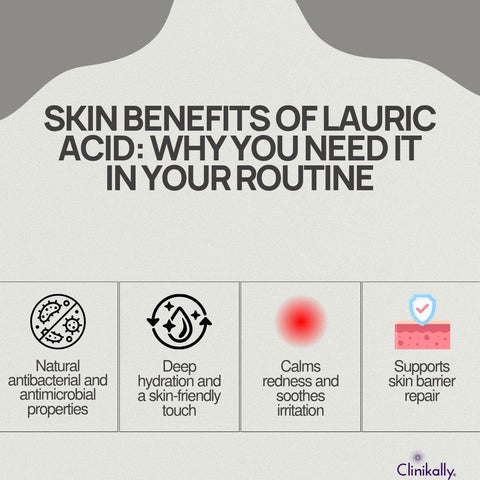
While not as well-known as retinol or hyaluronic acid, lauric acid is an underappreciated skincare component that quietly produces significant results. This multipurpose fatty acid, derived primarily from coconut oil, provides a combination of hydration, healing, and defense—ideal for skin that seeks balance and protection.
-
Natural antibacterial and antimicrobial properties: Lauric acid is one of the few natural substances proven to be helpful against acne-causing bacteria such as Cutibacterium acnes. Its antibacterial characteristics assist in controlling breakouts gently and without overdrying. Ideal for oily, acne-prone, or congested skin.
-
Deep hydration and a skin-friendly touch: Lauric acid, a medium-chain fatty acid, replenishes moisture and strengthens the skin's natural lipid barrier. This maintains moisture and inhibits water loss, leaving skin smooth, plump, and nourished. Ideal for dry, flaky, or damaged skin barriers.
-
Calms redness and soothes irritation: Lauric acid's anti-inflammatory properties make it ideal for anyone experiencing irritation, redness, or inflammation. It soothes the skin and promotes healing from stress, breakouts, and environmental aggressors. Ideal for sensitive, reactive, or post-breakout skin.
-
Supports skin barrier repair: Lauric acid strengthens your skin's outer layer, which is essential for guarding against pollution, allergies, and dryness. A robust barrier results in stronger, healthier, and more vibrant skin overall. Suitable for skin that feels tight, scratchy, or strained.
-
Helps other substances work better: Because lauric acid penetrates quickly and interacts effectively with the skin's lipids, it can act as a carrier, increasing the absorption of other active substances in your regimen.
Fights Bacterial Acne
Acne-prone skin frequently walks a delicate line between overcleansing and undertreatment. That's where lauric acid comes in—a gentle yet effective natural alternative to harsh acne treatments. Lauric acid, which is predominantly found in coconut oil and its derivatives, has been demonstrated to target bacteria, the core cause of breakouts.
-
Targets acne-causing germs: Lauric acid has strong antibacterial capabilities, especially against Cutibacterium acnes (the bacteria that cause many forms of breakouts). Studies have indicated that it can damage the bacterial membrane, decrease bacterial growth, and lessen acne-related inflammation.
-
Gentler than aggressive acne treatments: Unlike chemicals like benzoyl peroxide or salicylic acid, which can be drying and irritating, lauric acid provides a more balanced solution. It combats acne while remaining moisturizing and calming, making it great for sensitive skin, dry or flaky acne-prone skin, and those seeking natural or clean-beauty alternatives.
-
Supports barrier repair: Lauric acid also helps rebuild the skin barrier, which is frequently damaged by over-washing or acne treatments. A stronger barrier implies reduced moisture loss, fewer irritants penetrating the skin, and improved long-term acne control.
Hydration & Skin Barrier Support
Your skin barrier is your body's first line of protection, and lauric acid is one of nature's most effective allies for keeping it strong, smooth, and hydrated. Lauric acid, a medium-chain fatty acid, provides more than just surface moisture; it also fortifies your skin from within.
-
Locks in moisture: Lauric acid provides an emollient texture that helps seal water into the skin, hence preventing transepidermal water loss (TEWL). This makes it particularly useful in dry, cold, or severe situations. Ideal for dry, dehydrated, or flaky skin.
-
Strengthens the skin barrier: Lauric acid strengthens the lipid matrix that forms your stratum corneum (outermost skin layer). A good barrier maintains moisture, blocks allergens and pollutants, and decreases sensitivity and inflammation.
-
Promotes repair & recovery: Whether your barrier has been compromised by harsh chemicals, sun exposure, or over-exfoliation, lauric acid can help restore balance by restoring lost lipids, reducing redness and irritation, and promoting healthy cell regeneration.
-
Nourishment without harshness: Natural sources of lauric acid, such as coconut oil and palm kernel oil, provide nourishment without harshness, unlike many synthetic moisturizers. It provides long-lasting hydration and a calming feeling and is suitable for sensitive or reactive skin types.
Anti-Aging and Skin Renewal
When you think of anti-aging chemicals, you may think of retinol or peptides, but don't underestimate the potent, natural effect of lauric acid. Lauric acid is well known for its antibacterial and moisturizing properties, but it also plays a modest but crucial role in maintaining youthful, firm, and resilient skin throughout time.
-
Promotes healthy cell turnover: Lauric acid aids in skin renewal by reducing inflammation, which can slow down the natural skin regeneration process, thereby maintaining a healthy environment for new skin cells to emerge and promoting gentle exfoliation and detoxification when used in cleansing products.
-
Protects collagen and elastin: While lauric acid is not a conventional collagen booster, its antioxidant and anti-inflammatory properties aid to retain collagen integrity (preventing premature breakdown) and elastin structure, keeping skin bouncy and firm. This helps to minimize the appearance of small wrinkles, drooping, and loss of firmness over time.
-
Supports a stronger skin barrier: A healthy barrier allows skin to retain moisture, battle environmental stresses, and recover more quickly. Lauric acid improves this barrier, preventing early indications of aging due to dehydration or irritation. Makes the skin more resistant to pollutants and UV exposure (when used with SPF).
-
Natural antioxidant support: Lauric acid has weak antioxidant action and can help neutralize free radicals, which are unstable chemicals that contribute to apparent aging. When combined with other antioxidant-rich compounds (such as green tea or vitamin C), it can provide a protective barrier for the skin.
Adding Lauric Acid into Your Skincare Regimen
Lauric acid can be a game changer for your skin—but to get the most out of it, you must utilize it correctly, with the right products, and for your particular skin type.
-
Choose the appropriate form: Lauric acid is commonly used in cosmetics as part of coconut oil or fractionated coconut oil, monolaurin (a derivative with better antibacterial effects and lower comedogenic risk), and fatty acid blends in moisturizers, cleansers, or balms.
-
Begin with a gentle cleanser: A facial cleanser containing coconut-derived surfactants or lauric acid can remove debris and bacteria while hydrating rather than stripping your skin, preparing it for the actives that follow. Use it in the morning and evening.
-
Apply a serum or moisturizer with lauric acid: Look for products containing lauric acid, monolaurin, or coconut-derived lipids to lock in moisture, reduce inflammation, and strengthen your skin's barrier. Use PM or both AM and PM, especially in the drier months.
-
Apply it as a spot treatment (optional): Lauric acid-based products or monolaurin gels can be used directly on blemishes to kill bacteria, reduce inflammation, and speed up healing. Use as needed on clean, dry skin before applying moisturizer.
-
Pair it wisely with other ingredients: Lauric acid pairs well with hyaluronic acid (which increases moisture), niacinamide (which strengthens the barrier and lowers redness), and ceramides (which provide deep nourishment and repair). Avoid mixing with powerful exfoliants or very active retinoids at first, especially if you're using raw coconut oil, as this may cause sensitivity.
Choosing the Right Lauric Acid Products
Lauric acid can be beneficial for a range of skin issues, but selecting the appropriate product can make a big difference in effectiveness. Whether you're searching for a gentle cleanser, acne treatment, or hydrating moisturizer, here's how to choose the best one for you.
-
Lauric acid-based cleansers: Cleansers are an excellent method to introduce lauric acid into your routine without overburdening your skin. Ideal for all skin types, including acne-prone and sensitive skin. Removes pollutants, moisturizes, and provides antimicrobial protection without depleting the skin's natural oils. Coconut-derived surfactants (such as sodium cocoyl glutamate and cocamidopropyl betaine). Monolaurin as a component for a kinder, non-comedogenic alternative. It contains moisturizing and non-stripping ingredients.
-
Moisturizers with lauric acid: Moisturizers containing lauric acid help to strengthen your skin's natural barrier while also providing much-needed moisture. Ideal for dry, irritated, or sensitive skin that needs barrier protection. It promotes moisture retention, reduces water loss, and strengthens the lipid barrier. Ideal for daily hydration, especially in dry or cold climates. Monolaurin and coconut oil are key components. Aloe vera, niacinamide, and ceramides are among the other soothing ingredients. The texture is lightweight but moisturizing.
-
Spot treatments and serums: For acne or irritation, search for concentrated treatments. Ideal for acne-prone skin, outbreaks, and irritation. Targets acne-causing germs, lowers inflammation, and speeds up healing without drying out the skin. Monolaurin provides a more stable, non-comedogenic alternative. Bacteria-fighting components include tea tree oil, niacinamide, and salicylic acid. Chamomile or aloe vera are soothing components that balance the antibacterial activity.
-
Oils and balms: If you need more hydration or want to rebuild your skin's barrier, oils and balms are excellent choices. Ideal for dry, damaged skin or individuals who require more nourishment. Deeply nourishing, it improves the barrier, helps to retain moisture, and soothes inflamed skin. Fractionated coconut oil is more lightweight than raw coconut oil. Monolaurin-based oils provide a lighter alternative. It is rich in non-comedogenic oils that enhance hydration.
-
DIY options: If you want a more personalized approach, DIY skincare preparations containing lauric acid-rich substances (such as coconut oil) can be an excellent choice. Just be aware of the comedogenicity of raw coconut oil. Those who are comfortable with DIY formulas or want an economical choice. Using natural coconut oil, honey, and essential oils, you can develop items that are specific to your requirements.
Best Ways to Apply Lauric Acid for Maximum Benefits
Lauric acid's antibacterial and moisturizing characteristics can be quite beneficial in daily regimen, but to get the most out of it, you must understand when and how to apply it. Here's how to use it in a way that maximizes its benefits for your skin.
-
Begin with clean skin: A gentle cleanser containing lauric acid or coconut-derived compounds guarantees that you start with a clean slate, ready to absorb the benefits of future products. Rinse your face with lukewarm water. Use a dime-sized dollop of lauric acid-based cleaner on your hands. Gently massage in circular strokes for 30 seconds to 1 minute. Rinse with lukewarm water, then gently wipe your skin dry. If you have sensitive skin, you can avoid overdrying by using a more moisturizing coconut-derived surfactant, such as sodium cocoyl glutamate.
-
Apply a lauric acid–infused serum or treatment: Apply a serum or therapy infused with lauric acid. Serums are concentrated therapies that go deep, allowing lauric acid to do its job. They're very effective for treating acne and inflammation and maintaining overall hydration. After cleansing, apply a few drops of serum on moist skin for optimal absorption. Gently push the product into your face, beginning in the middle and working your way out. Allow the serum to completely absorb before proceeding to the next step. Allow a few minutes to absorb a serum containing monolaurin or lauric acid before applying heavier moisturizers.
-
Layer with a lauric acid-based moisturizer: Moisturizing is essential for retaining the hydration that lauric acid delivers. After applying serums or treatments, use a thick, soothing moisturizer containing lauric acid or coconut oil. After serum, apply a sufficient amount of moisturizer and warm it between your palms. Apply it evenly to your face, beginning in the middle and going outward. To stimulate circulation, gently massage the product into the skin using upward strokes. If you have dry skin, add a few drops of face oil to boost the hydration.
-
Spot treat with lauric acid for acne or blemishes: To treat acne or blemishes, apply lauric acid as a spot therapy. Lauric acid is great at fighting acne-causing bacteria, so using it as a spot treatment can help soothe sensitive skin without overdrying it. After cleansing, apply a small amount of monolaurin or lauric acid-based therapy directly to the blemish. Gently rub the area until it is absorbed. Avoid rubbing, as this can irritate the skin. Use this as a targeted therapy at night to enhance healing while you sleep.
-
Overnight hydration with a lauric acid-infused balm or mask: Overnight masks or balms containing lauric acid work wonders for hydration and barrier restoration while you sleep. These treatments help to strengthen your skin's natural barrier, keeping it hydrated throughout the night. After your serum and moisturizer, apply a thick coating of lauric acid-infused balm or nighttime mask. Gently massage it into your skin and let it absorb overnight. If you use a coconut-based balm, be sure it is non-comedogenic to avoid blocking pores, especially if you have acne.
-
Combine lauric acid with additional active ingredients: Lauric acid pairs effectively with a variety of other skincare actives, including niacinamide, hyaluronic acid, and ceramides. It helps to balance out other substances and avoid overloading your skin's needs. Begin with a moisturizing toner (if you use one). Apply your lauric acid-containing serum. Finish with complementing ingredients like hyaluronic acid (for additional moisture) or niacinamide (for relaxing and barrier support). For acne-prone skin, combine lauric acid with salicylic acid or benzoyl peroxide to create a complete, bacteria-fighting remedy.
Combining Lauric Acid with Other Skincare Ingredients
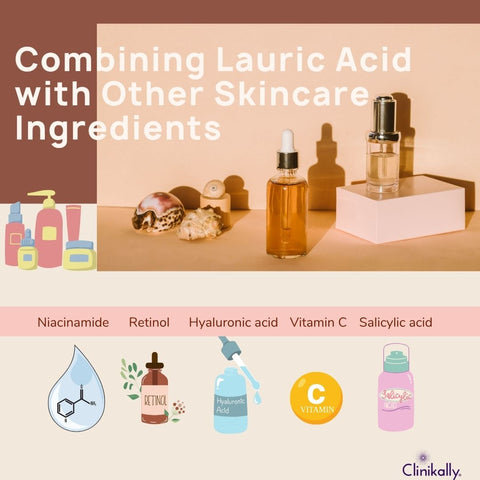
Some of the best combinations based on the various skincare goals are:
-
Lauric acid + hyaluronic acid: Lauric acid retains moisture and improves the skin barrier, whilst hyaluronic acid pulls moisture into the skin, providing long-lasting hydration. To moisturize wet skin, apply a hyaluronic acid serum. To seal in moisture and hydration, apply a lauric acid-based moisturizer or balm afterwards. Ideal for dry, dehydrated, or damaged skin that requires both moisture and barrier support.
-
Lauric acid + niacinamide: Niacinamide (vitamin B3) reduces redness and strengthens the skin barrier. Combining it with lauric acid enhances the anti-inflammatory effects, making this combo perfect for calming irritated or sensitive skin. Apply a niacinamide serum to help soothe and strengthen the skin barrier. Follow up with a lauric acid moisturizer to seal in hydration and calm inflammation. Ideal for sensitive skin, rosacea-prone skin, or anyone with redness or irritation.
-
Lauric acid + vitamin C: Vitamin C is a potent antioxidant that helps brighten the skin and protect it from environmental stressors, while lauric acid helps fight acne-causing bacteria. This combination also supports collagen production. Apply a vitamin C serum in the morning for brightening and antioxidant protection. Follow with a moisturizer containing lauric acid for hydration and bacterial defense. Always finish with sunscreen to protect against UV damage when using vitamin C. Ideal for dull, uneven skin tone, and preventing signs of premature aging.
-
Lauric acid + retinol: Retinol (or retinoids) promotes cell turnover and collagen production, while lauric acid fights inflammation and acne. However, these two can be strong when used together, so it’s best to layer them carefully. Apply retinol at night, allowing it to absorb for 20 minutes. Follow with a moisturizer containing lauric acid to calm and hydrate after retinol. Ideal for anti-aging, acne treatment, and improving skin texture. Note: If you have sensitive skin, consider using retinol every other night and lauric acid nightly to avoid irritation.
-
Lauric acid + salicylic acid: Salicylic acid (a BHA) deeply penetrates the pores to exfoliate and prevent acne, while lauric acid kills acne-causing bacteria on the surface. Together, they fight acne on both the inside and outside. Apply a salicylic acid cleanser or spot treatment to cleanse and exfoliate. Follow up with a lauric acid moisturizer to protect and soothe the skin. Ideal for acne-prone skin, blackheads, and clogged pores. Be cautious of over-exfoliating—alternate between salicylic acid and lauric acid as needed.
Final Thoughts: The Future of Lauric Acid in Skincare
The future of lauric acid in skincare seems quite promising, especially as the industry continues to innovate and enhance its application. Lauric acid has already established itself as a skincare staple due to its proven advantages for hydration, anti-aging, acne therapy, and sensitive skin. As demand for clean beauty and sustainability products rises, lauric acid will remain a prominent choice for manufacturers looking to meet customer demands for efficacy and environmental responsibility.