Penetrating vs. Sealing Hair Oils: Choose the Right One for Stronger Hair
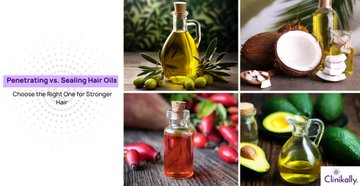
Oils are, most time, the secret ingredient in any good hair care regimen as far as the attainment of soft, shiny, and healthy hair is concerned. Not all oils are made the same; some of them penetrate the strands and nourish internally, whereas others form a protective layer that helps in locking in moisture and shine. The knowledge of the behavior of these oils will totally change the texture, strength, and health of your hair. No matter how dry, frizzy, curly, or straight your hair is, the correct oil would transform it into what would otherwise be dull, lifeless hair and make it feel alive and radiant. We are going to discuss how the correct kind of hair oil can make it a better day, and how it can help to get the best out of your hair.
Understanding Hair Oils
One of the most successful methods of having healthy, beautiful hair is oiling, which is one of the oldest. Oiling of the scalp regularly nourishes the scalp, strengthens the roots of the hair, and develops a better texture of the hair. It contains important nutrients such as vitamins, fatty acids, as well as antioxidants that restore damage done by pollution, heat styling, and chemical treatments. Scalp oil massage also increases blood flow to the scalp, which enhances hair growth and helps in alleviating such problems as dryness, dandruff, and breakage.
Hair oils are crucial for keeping hair healthy, hydrated, and shining, but they do not all work the same way. When choosing hair oils, it is critical to grasp the distinction between penetrating and sealing oils. These two types of oils have distinct benefits and can be utilized in various ways, depending on your hair type and requirements.
Besides, oil is a natural conditioner, which provides shine and softness and also prevents frizz and split ends. It coats every strand, creating a protective barrier that traps moisture, and the hair is also covered against the stressors of nature. Regularly applying oil to your hair makes it look good, as well as keeps it strong, moist, and lively.
What Are Penetrating Oils & How Do They Work?
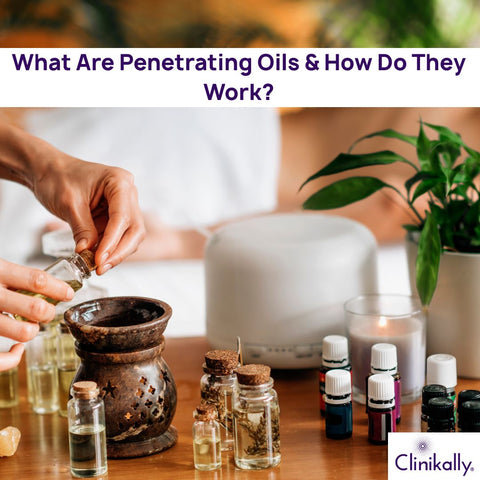
Penetrating oils are oils that can penetrate deep into the hair shaft, providing hydration, nourishment, and repair from within. These oils are especially good for hair that is dry, damaged, or lacks internal hydration since they replenish moisture, strengthen hair, and promote overall hair health. These types of penetrating oils include: Coconut oil, Avocado oil, Olive oil, Rosehip oil, Marula oil, and Shea butter.
-
Absorption: Penetrating oils are absorbed into the hair shaft due to their tiny molecules, which can pass through the cuticle. This allows them to work on the inner structure of the hair, resulting in profound hydration.
-
Moisture retention: These oils penetrate the hair and help restore moisture balance, particularly in dry or porous hair. They aid in retaining moisture, keeping the hair from becoming dry or brittle.
-
Strengthening: Penetrating oils contain vitamins, minerals, and fatty acids that nourish the hair's internal structure. This creates stronger, more elastic hair, which reduces breakage and split ends.
-
Repair: Because penetrating oils supply moisture and nutrients deep into the hair, they can help repair damaged hair over time, minimizing the appearance of split ends and avoiding future damage.
|
Product Name |
Primary Benefits |
Key Ingredients |
|
Deeply moisturises dry skin and brittle hair; acts as a natural hair conditioner to reduce frizz; contains MCTs that may support immunity |
100% Virgin Coconut Oil (cold-pressed from fresh coconut milk) |
|
|
Improves skin elasticity and supports repair; helps reduce scars, fine lines, and stretch marks; brightens and evens skin tone |
Organic Rosa Canina Seed Oil (Rosehip Oil) |
|
|
Stimulates hair growth and scalp circulation; strengthens hair to reduce breakage; adds shine and nourishment |
Rosemary Leaf Oil, Biotin, and carrier oils such as coconut, almond, or olive oil |
The Role of Sealing Oils in Hair Care
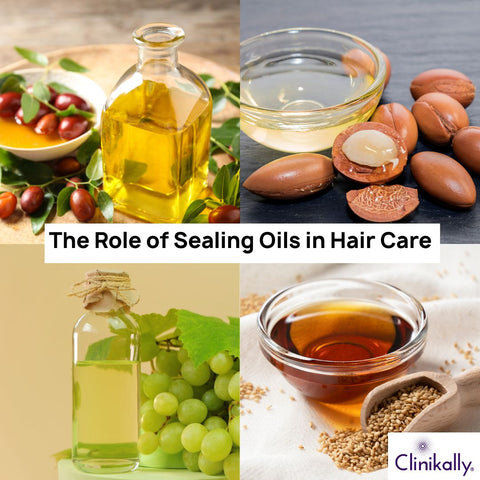
Sealing oils are important in ensuring that your hair is kept soft, shiny, and easy to handle by sealing in the moisture that your hair requires to stay healthy. Sealing oils are applied to the hair and rest on the surface to form a protective layer, unlike penetrating oils, which are absorbed by the hair shaft. This barrier assists in avoiding the loss of moisture and minimizes frizz, and enhances a smooth and shiny appearance to your hair.
They particularly work well with those who have curly, coily, or dry hair types, as such hair types are apt to lose moisture faster. Application of sealing oils after the use of a moisturizer or leave-in conditioner based on water proxies also makes sure that the system of hydration remains locked into the hair strands longer. Sealing oils could also ensure that your hair is not damaged, tangled, or broken in the environment, and so this is a must-have item on the list for people who want their hair to be well nourished, not frizzy and shiny. Hair oils which are included in sealing oils: Castor oil or Jamaican castor oil, Jojoba oil, Argan oil, Hemp oil, Grapeseed oil, Rice bran oil, Sesame oil, Broccoli seed oil.
|
Product Name |
Primary Ingredients |
Key Benefits |
|
Virgin Coconut Oil, Almond Oil, Castor Oil, Sunflower Oil, Amla, Bibhitaki, Hibiscus, Rosemary Oil, Grapeseed Oil, Ginger, Vetiver |
Promotes hair growth and thickness. Reduces hair fall and shedding. Deeply nourishes the scalp, strengthens hair follicles, and repairs damaged, brittle hair. |
|
|
100% Pure Cold-Pressed Jojoba Oil |
Versatile moisturiser for hair, skin, face, and nails. Lightweight, fast-absorbing, and non-comedogenic while supporting healthy hair growth. |
|
|
Argan Oil, Jojoba Oil, Almond Oil, Ginger Oil, Rosemary Oil |
Hydrates and conditions hair, reduces dryness and frizz. Improves texture, softness, and shine while nourishing the scalp and preventing moisture loss. |
|
|
100% Pure Moroccan Argan Oil (Argania Spinosa Kernel Oil) |
Provides deep hydration and frizz control. Enhances hair elasticity and shine, strengthens follicles, and supports long-term repair for dry or damaged hair. Also suitable for skin care and makeup removal. |
Key Differences Between Penetrating vs Sealing Oils
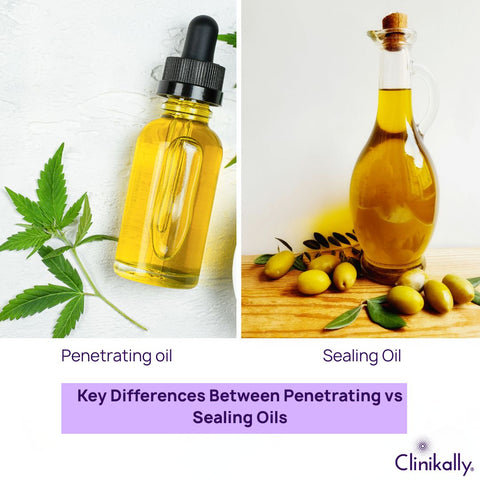
The main differences between Penetrating vs Sealing Oils are provided below:
-
Molecule size: Penetrating oils contain smaller molecules that can penetrate deep into the hair shaft, providing moisture and nourishment from within. On the other hand, sealing oils contain larger molecules that do not penetrate the hair shaft but instead sit on top, forming a protective barrier.
-
Moisture impact: Penetrating oils moisturize the hair by penetrating the hair shaft, making them ideal for dry, damaged, or porous hair that requires internal hydration. On the other hand, sealing oils lock in moisture that is already in the hair, preventing it from escaping. They’re used to maintain hydration rather than provide it.
-
Types of oils: Examples of penetrating oils include coconut oil, argan oil, jojoba oil, and olive oil. These oils have a light to medium viscosity and contain fatty acids and other nutrients that can penetrate the hair shaft. On the other hand, sealing oils include castor oil, grapeseed oil, sweet almond oil, and avocado oil. These oils are typically thicker or have a higher molecular weight, making them more effective at creating a barrier on the hair's surface.
-
Application time: Penetrating oils are typically applied before a moisturizing product or conditioner and allowed to absorb for an extended period of time. They are commonly used as pre-shampoo treatments or deep conditioning oils. On the other hand, sealing oils are typically used to seal in moisture after it has been added (for example, after using a penetrating oil or conditioner). They can also be used as a finishing touch to smooth and add shine.
-
Effect on hair texture: Penetrating oils can increase hair strength and elasticity, making it less prone to breakage. They gradually aid in repairing internal damage. On the other hand, sealing oils smooth the cuticle, reducing frizz and increasing shine. They do not alter the internal structure of the hair, but do improve its appearance and manageability.
-
Common uses: Penetrating oils are used for deep treatment, hydration, and repair. They can be applied to the hair for an extended period of time (even overnight) or used in conjunction with regular washing. On the other hand, Sealing Oils are used for styling, finishing, and frizz control. They are frequently used as a finishing touch after washing or conditioning to keep moisture locked in.
|
Aspect |
Penetrating Oils |
Sealing Oils |
|
Function |
Absorb into the hair shaft to nourish and strengthen from within |
Coat the hair’s surface to lock in moisture and add shine |
|
Purpose |
Repair, moisturize, and improve internal hair health |
Prevent moisture loss and protect from damage |
|
Best For |
Deep nourishment and repairing dry or damaged hair |
Retaining moisture and smoothing frizz after hydration |
|
When to Use |
Before shampooing or as a pre-treatment |
After applying a leave-in or water-based moisturizer |
|
Common Oils |
Coconut oil, olive oil, avocado oil, sunflower oil |
Castor oil, jojoba oil, argan oil, grapeseed oil |
|
Absorption Level |
High – penetrates deeply into hair strands |
Low – stays on the surface of hair |
|
Hair Feel After Use |
Soft, flexible, and deeply hydrated |
Smooth, glossy, and protected |
Benefits of Using Penetrating vs. Sealing Hair Oils
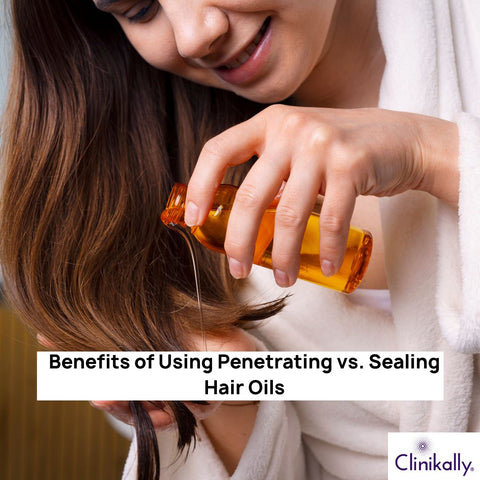
Using the appropriate hair oil provides numerous benefits, including improved moisture retention and hair strength, as well as scalp health and protection against environmental harm. Whether you're battling with dryness, frizz, or breakage, the correct oil may significantly improve the health and appearance of your hair. Understanding your hair type and demands allows you to choose an oil that will help you achieve your desired hair results, making it softer, shinier, and more manageable over time.
Hydration & Moisture Retention
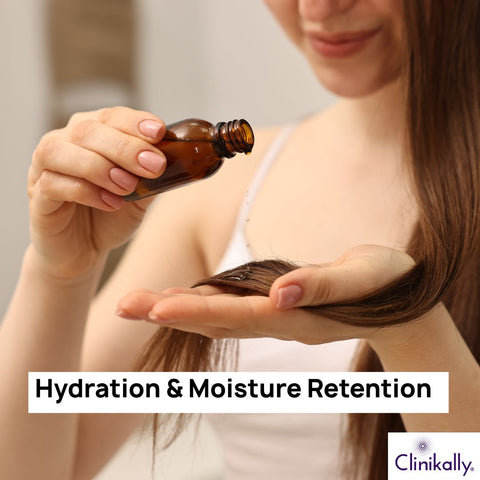
Hydration and moisture retention are vital for healthy, vibrant hair. While these terms are frequently used interchangeably, they refer to various aspects of maintaining healthy hair. Let's look at the fundamental differences and how to attain them for healthier hair.
-
Hydration: Hydration is the process of infusing water into your hair. Water is your hair's primary source of hydration, keeping it silky, supple, and elastic. Hydrated hair feels moist and plump, with a lower chance of brittleness and breakage.
-
Hydrated hair appears shinier, feels softer, and is less prone to dryness.
-
Dehydrated hair, on the other hand, feels rough, dull, and brittle. It is more prone to damage, breakage, and frizz.
-
Moisture retention: Moisture retention refers to your hair's capacity to hang on to existing moisture and prevent it from evaporating. It entails forming a barrier around the hair shaft to retain moisture in and prevent external forces, such as humidity or heat, from taking it away. Even if your hair is hydrated, it will quickly lose its hydration and become dry. Sealing moisture is critical for keeping hair silky and hydrated over time.
Strengthening Hair Strands & Reducing Breakage
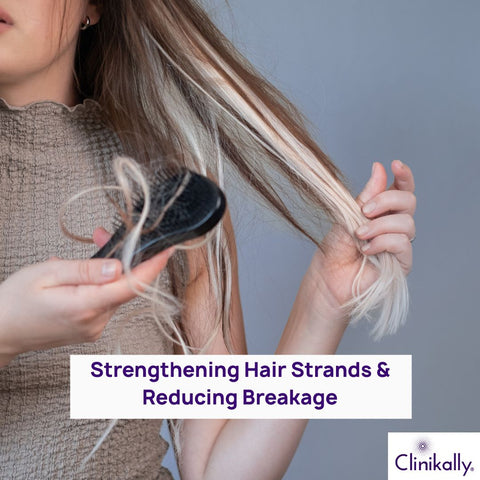
Hair breakage is a common problem that affects people of all hair types and textures. It often results from excessive styling, use of frequent heating tools, chemical treatments, or even daily wear and tear from brushing and tying the hair too tightly. Over time, these factors weaken the hair roots, leading to split ends, dullness, and thinning.
To manage healthy and shiny hair, it’s essential to focus on both nourishment and protection. Regular oiling, deep conditioning, and the use of strengthening ingredients like keratin, biotin, and natural proteins can help rebuild the hair’s internal structure. Keeping your hair hydrated and minimizing the use of harsh products are key steps in maintaining elasticity and flexibility.
Strengthening your hair is a continuous process that requires patience and consistency. With proper care, gentle detangling, balanced nutrition, and moisture-rich treatments, you can gradually restore your hair’s strength, making it more resilient, shiny, and resistant to breakage.
Enhancing Scalp Health for Hair Growth
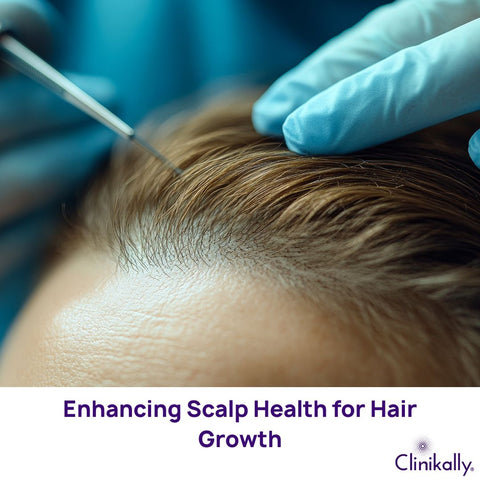
A healthy scalp serves as the foundation for promoting strong and vibrant hair growth. To nurture your scalp effectively, it's essential to engage in a variety of scalp care practices. Regular cleansing is crucial; it helps remove dirt, excess oil, and product buildup, allowing your scalp to breathe. Incorporating moisturizing routines keeps the scalp hydrated, preventing dryness and flakiness, while gentle scalp massages enhance blood circulation, invigorating hair follicles and stimulating growth.
Additionally, utilizing natural oils, like coconut oil or argan oil, can deeply nourish and moisturize the scalp while providing essential nutrients to hair strands. It's also important to maintain a balanced diet rich in vitamins and minerals that support hair health. Reducing stress through relaxation techniques or exercise can further contribute to a thriving environment for hair development.
Furthermore, steering clear of harsh chemicals found in some hair products is vital to avoid damaging both the scalp and hair. By prioritizing scalp care, you lay the groundwork for robust, lustrous hair. Remember, healthy hair starts at the scalp. Nurture it, and in return, it will reward you with hair that is strong, vibrant, and full of life.
How to Choose the Best Oil for Your Hair Type?
Choosing the appropriate oil for your hair type is critical to keeping healthy, strong hair. Understanding your hair's specific needs, hydration, strength, gloss, or growth, will assist you in selecting the ideal oil. Experiment with various oils, remembering that a little goes a long way. With constant application, the correct oil may revolutionize your hair care routine and give you the healthy, attractive hair you want.
Understanding Your Hair Porosity and Choosing the Right Oils
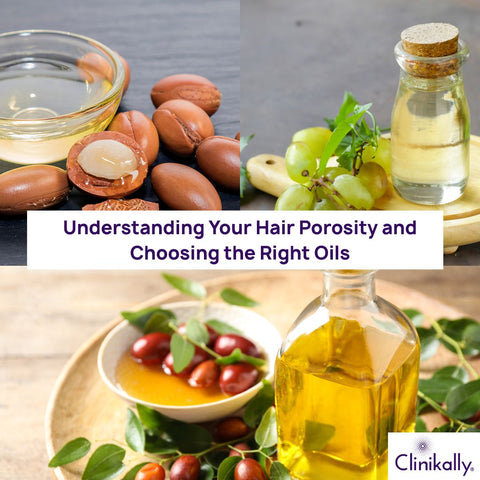
Each strand of hair is individual, and the trick to this is to determine how porous your hair is in order to apply the correct amount of moisture to it. The porosity of hair defines the extent to which oil, moisture, and products enter your hair shaft, and it is what determines the texture, strength, and shine of your hair.
Low porosity hair means that your hair is densely packed, hence oils and moisture do not easily find their way into it. Light oils like argan, grapeseed, or jojoba oil would be best, as they will not rest on the surface or pull your hair back. Medium porosity hair is the one that also enjoys the best of both worlds, and it can take advantage of both light and rich oils, such as olive or almond oil, to hydrate and shine. In the meantime, high porosity hair, which is usually a consequence of chemical or heat damage, will need denser oils such as coconut, castor, or shea oil to trap moisture and keep the hair down.
Lightweight vs. Heavy Oils: Which One is Right for You?
Lightweight oils
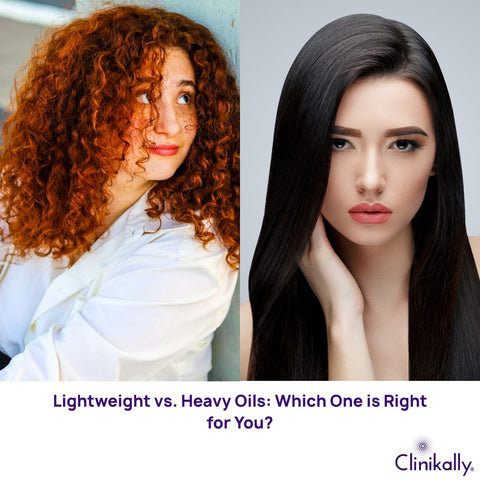
Lightweight oils have a thinner consistency and are easily absorbed into the hair without leaving a greasy residue behind. These oils are ideal for hair types that require moisture and shine but cannot take heavier products that weigh their hair down.
-
Lightweight oils absorb quickly into the hair without remaining on the surface.
-
The hair has no greasy or heavy aftereffects from these oils.
-
Lightweight oils are ideal for fine, straight, or oily hair types because they do not add weight to the hair.
-
They moisturize and nourish the hair without using too much product.
Heavy oils
Heavy oils are thicker and have a richer consistency. These oils are ideal for delivering deep moisture, sealing the hair cuticle, and preventing dryness, particularly for thick, dry, or frizzy hair. They aid in maintaining hydration, improve hair structure, and protect against damage.
-
Heavy oils absorb slowly and may remain on the hair's surface for longer periods of time.
-
These oils have a richer, thicker texture, making them ideal for sealing moisture into the hair.
-
Heavy oils are best suited to coarse, curly, or porous hair that requires intense moisture and protection.
-
They provide long-term moisture and nourishment, making them ideal for dry, damaged hair.
Tailoring Your Hair Oiling Routine for Healthier, Shinier Hair
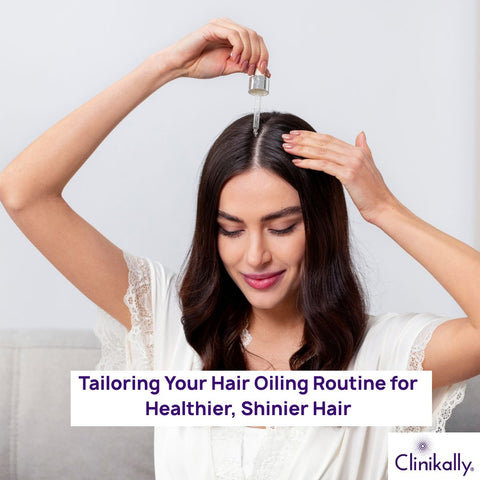
Every hair type has unique needs, and a one-size-fits-all approach rarely works when it comes to oiling. Customizing your hair oiling routine based on your hair type, texture, and porosity ensures you get the maximum benefits, whether that’s restoring shine, reducing frizz, or promoting growth. Understanding how your scalp and strands respond to different oils helps you create a targeted plan that deeply nourishes your hair from root to tip. Here’s how you can build an effective and personalized oiling routine:
1. Identify Your Hair Type and Needs
-
Dry or damaged hair: Choose rich, penetrating oils like coconut, olive, or avocado oil.
-
Oily scalp: Go for lightweight oils like jojoba or grapeseed oil.
-
Frizzy or curly hair: Use sealing oils such as argan or castor oil to lock in moisture.
2. Pre-Oiling Preparation
-
Detangle your hair gently to avoid breakage.
-
Warm the oil slightly for better absorption (lukewarm, not hot).
-
Divide your hair into sections for even application.
3. Application Technique
-
Apply the oil directly to the scalp using your fingertips or an applicator bottle.
-
Massage for 5–10 minutes to stimulate blood circulation and encourage growth.
-
Spread the remaining oil along the hair length, focusing on dry ends.
4. Duration & Frequency
-
Normal to dry hair: Keep the oil on for 4-6 hours or overnight.
-
Oily hair: Leave it on for 1-2 hours before washing.
-
Oil your hair 1-2 times a week, depending on your scalp condition and routine.
5. Post-Oiling Care
-
Rinse with a mild, sulfate-free shampoo.
-
Follow up with a conditioner or hair mask (Trichospire Deep Conditioning Hair Mask) to lock in moisture.
-
Avoid using heat tools immediately after oiling to prevent damage.
Final Thoughts on Penetrating & Sealing Oils
The key takeaway from this discussion is that an effective hair oiling routine typically blends both penetrating and sealing oils. Penetrating oils, such as coconut or argan oil, deeply nourish the hair shaft, infusing it with essential nutrients and moisture. These oils work their way into the hair, repairing damage and enhancing elasticity, promoting strength from within. On the other hand, sealing oils, like jojoba or olive oil, act as a protective barrier, locking in moisture and preventing the hair from becoming dry and brittle.
To create a routine that is perfectly suited to your hair’s unique needs, it’s crucial to understand its porosity and specific demands. For example, if your hair is dry and needs intense hydration, incorporating penetrating oils at the beginning of your routine can provide that much-needed moisture. Conversely, if you’re dealing with frizz or flyaways, applying sealing oils afterward will help maintain a smooth, glossy finish.
Whether you seek rejuvenation for dry strands, health benefits for your scalp, or effective frizz control, choosing the right combination of oils at the appropriate times is essential. This thoughtful approach can dramatically transform your hair, leaving it looking vibrant, healthy, and full of life.