Plant-based Protein for Hair: Chicory, Soy, And Pea Explained
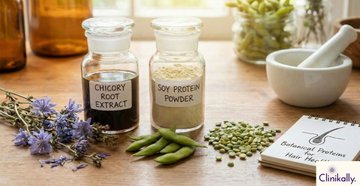
Proteins are the building blocks of hair, responsible for its strength, flexibility, and overall health. Botanical proteins made from plants like chicory, soy, and pea are a natural, mild alternative to animal-based proteins, providing targeted repair and fortification for all hair types. In this blog, we will learn about botanical proteins for hair.
How Plant Proteins Improves Hair Health
Hair strength, resilience, and overall health are heavily reliant on protein integrity, as keratin, the basic structural protein, forms the core of each strand. Plant-derived proteins, such as soy, pea, and chicory proteins, have emerged as viable, long-term replacements to animal proteins, offering delicate but robust reinforcement to hair fibers.
-
Penetration and Repair: Plant proteins contain amino acids and bioactive peptides that penetrate the cuticle and bind to the hair cortex. These proteins restore the internal structure of hair by bridging micro-gaps produced by chemical treatments, heat styling, or environmental damage, thereby enhancing elasticity and minimizing breakage. Chicory protein, for example, effectively binds water, increasing moisture retention and reinforcing the strand from inside.
-
Surface protection and smoothing: Plant proteins form a thin protective layer surrounding the hair shaft, in addition to repairing it internally. This coating smoothes the cuticle, reducing friction between strands and preventing frizz and tangling. Pea protein, in particular, adds a conditioning layer that promotes smoothness and shine, making hair easier to manage and seem healthier.
-
Strength, elasticity, and volume: Soy protein contains a complete amino acid profile, which strengthens weak or chemically treated hair while increasing volume and body. The regular use of protein-rich plant treatments promotes tensile strength, making hair less likely to snap during combing, style, or environmental exposure.
-
Sustainable, gentle care: Plant proteins offer a bioavailable, environmentally friendly solution to hair restoration that is appropriate for all hair types, including color-treated, curly, or fine textures. They strengthen without the harshness of other synthetic proteins, making them suitable for daily or weekly use.
Chicory Protein for Elasticity, Scalp Health, and Breakage Control
-
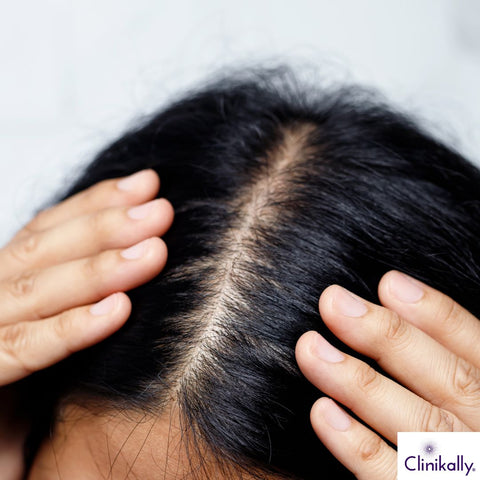
Elasticity: Chicory proteins contain water-binding polysaccharides and amino acids, which permeate the hair shaft and strengthen keratin structure. This interior fortification increases elasticity, allowing the hair to stretch and rebound without snapping. Regular use of chicory-enriched treatments strengthens and nourishes strands, allowing them to tolerate styling, combing, and environmental assaults.
-
Scalp defense: A healthy scalp is essential for hair development and overall strength. Chicory provides anti-inflammatory and calming ingredients that reduce inflammation, keep the scalp hydrated, and strengthen the scalp barrier. Chicory creates a loving environment for follicles by lowering sensitivity and fostering balanced microbiota, resulting in stronger, more robust strands over time.
-
Reducing breakages: Weakened cuticles, dryness, and structural faults are common causes of breakage. Chicory proteins bridge gaps in the hair cortex and smooth the cuticle surface, reducing friction and mechanical damage. Chicory, when combined with moisturizing ingredients, minimizes tangling, split ends, and overall hair breakage, giving hair a thicker, healthier, and more durable appearance.
Soy Protein for Deep Repair and Keratin Support
Soy protein has been a staple of modern botanical haircare due to its high amino acid content and ability to strengthen and repair strands from root to tip. Extracted from soybeans, it offers deep conditioning, growth support, and increased keratin production, making it perfect for weak, damaged, or chemically treated hair.
-
Deep repair: Hair is constantly subjected to mechanical stress, heat, and chemical treatments, which can weaken the cuticle and cortex. Soy proteins penetrate the hair shaft, filling micro-gaps and maintaining structural integrity. This repair operation minimizes breaking, restores smoothness, and increases overall manageability. Regular usage of soy-enriched products makes hair feel stronger, softer, and more robust.
-
Growth support: Soy protein is also beneficial to the scalp and follicle health. Its amino acids nourish the scalp, promoting follicle function and creating an ideal environment for healthy hair development. Soy protein helps to maintain hair density and prevent premature shedding, resulting in fuller, healthier-looking hair over time.
-
Enhancing keratin synthesis: Keratin is the primary structural protein in hair, and soy amino acids such as lysine, cysteine, and methionine promote natural keratin synthesis. This reinforcement enhances elasticity, decreases split ends, and boosts tensile strength. Hair becomes more resistant to styling, combing, and environmental stressors while preserving its natural sheen and vitality.
Pea Protein for Lightweight Moisture and Daily Protection
-
Lightweight moisture: Pea protein is strongly water-binding, therefore it can keep moisture down the hair shaft. This moisture retention softens strands, eliminates dryness, and increases manageability, making it especially useful for fine or chemically treated hair. Unlike heavier oils or proteins, pea protein moisturizes without making hair greasy, resulting in a light, airy texture.
-
Increasing resilience: Hair is constantly stressed by brushing, heat styling, and environmental conditions. Pea protein provides a protective film surrounding the cuticle, which strengthens the hair's structural integrity. Strengthening weak areas along the shaft increases elasticity and tensile strength, minimizing breakage and split ends over time. This strengthens hair against daily styling and external aggressors.
-
Daily protection: Pea protein functions as a barrier against environmental stresses such as UV radiation, pollution, and free radicals. It promotes moisture balance and protects hair from oxidative damage, frizz, and dullness. Regular use maintains a healthy scalp and produces softer, shinier, and brighter hair with little care.
Optimizing Plant Proteins In Your Haircare Routine
Plant proteins including chicory, soy, and pea are becoming increasingly popular for their natural ability to build, mend, and protect hair. Using them optimally in your regimen guarantees maximal benefits while maintaining balanced hydration, shine, and resilience. Hair health is dependent on a balance of moisture and protein. Overuse of proteins can cause hair to become stiff or dry, but inadequate protein leaves strands fragile and prone to breaking. Assessing your hair type, texture, and extent of damage is essential for choosing which plant proteins and concentrations are best for you.
Pairing With Conditioners, Masks, and Cleansing Products
Plant proteins such as chicory, soy, and pea work best when combined with complementary haircare treatments. Incorporating proteins into conditioners, masks, and cleansing regimes ensures maximum penetration, balanced hydration, and increased hair resilience.
-
Conditioners: They are appropriate for daily or regular protein supplementation. Lightly enhanced conditioners with pea or chicory proteins cover the hair shaft, decreasing friction, increasing elasticity, and smoothing the cuticle. This combo keeps strands smooth, manageable, and frizz-free after each wash. Fine hair benefits from lighter protein formulations, but thicker or curlier textures may necessitate deeper blends to establish moisture-protein equilibrium.
-
Masks: Deep-conditioning masks are ideal for intensive protein repair. Soy and chicory proteins penetrate the hair cortex, repairing weak areas and mending micro-gaps left by chemical or mechanical stress. Using protein-rich masks once or twice a week helps to strengthen strands, prevent breakage, and increase suppleness. To reduce stiffness and preserve hydration, combine proteins with moisturizing oils such as amaranth or jojoba esters.
-
Cleansing products: Shampoos and washing products can also contain mild plant proteins. Proteins in shampoos help to condition strands while cleansing and prevent cuticles from the harsh impacts of surfactants. These cleansers, when combined with hydrating elements, keep hair smooth, increase shine, and prepare hair for conditioning or treatment.
Balancing With Moisture For Shiny, Frizz-Free Results
While plant proteins such as chicory, soy, and pea build and repair hair, keeping moisture balance is critical for shine, softness, and frizz reduction. Protein treatments that lack appropriate hydration might cause hair to become stiff, dry, or prone to tangling. Combining proteins with moisturizers and emollients keeps hair robust, smooth, and radiant.
-
Moisture matters: Hair contains roughly 10-15% water. Proteins strengthen the keratin structure and close internal gaps, but too much protein without moisture can alter elasticity, resulting in brittle strands. Moisturizing elements, including humectants, oils, and lightweight esters, work with proteins to seal in moisture while smoothing the cuticle, decreasing friction and frizz.
-
Frizz control: Balanced hydration maintains cuticles flat and smooth, allowing hair to naturally reflect light. Frizz is reduced because strands are more pliable and less prone to swelling from humidity. Curly or textured hair benefits especially from this method, as regular moisture improves curl definition and tenderness.
Ideal Frequency And Dosage For Topical Applications
The optimal frequency and dosage for topical applications are given below.
Ideal frequency
Hair type, texture, and condition determine how frequently treatments should be applied.
-
Fine or oily hair: To avoid accumulation, apply protein-rich masks or oils once or twice per week. Daily leave-ins or light serums can be applied in modest amounts to manage frizz and shine.
-
Normal or dry hair: 2-3 weekly treatments, such as masks or deep conditioners, can help keep moisture and protein levels balanced. Leave-ins or serums can be used to mid-lengths and ends three to four times each week, or every day.
-
Coarse, curly, or chemically treated hair: Apply deep-conditioning masks and leave-ins on a regular basis (up to 3-4 times per week) to maintain moisture, elasticity, and frizz control.
Dosage guidelines
-
Oils and esters: Apply 2-5 drops to fine hair, 5-10 drops to medium hair, and 10-15 drops to thick or curly hair per application. Concentrate on the mid-lengths and ends, avoiding the roots unless scalp moisture is required.
-
Protein treatments: Apply a thin, even layer to damaged regions or the entire length, depending on the condition of your hair. Excessive protein can stiffen hair, therefore moderation is essential.
-
Leave-ins and serums: A pea-sized amount is usually enough for short or fine hair, but longer or thicker hair may require more.
The Science Behind Protein Enrichment For Stronger Strands
Hair is mostly made up of keratin, a structural protein that gives strands strength, flexibility, and durability. Daily style, chemical treatments, environmental stressors, and heat can all damage keratin, resulting in brittle, frizzy hair. Protein enrichment with topical treatments, particularly with plant-based proteins such as chicory, soy, and pea, aids in structural integrity and improves overall hair health.
-
Proteins in haircare products deliver amino acids and bioactive peptides that permeate the hair shaft. These chemicals fill gaps in the cuticle and cortex, reinforcing weak points and increasing tensile strength. Hair becomes more elastic, less prone to breakage, and better able to handle styling stress after missing proteins are restored.
-
Protein enrichment has an impact on the hair's surface structure. Proteins generate a thin coating over the cuticle to reduce friction between strands and smooth rough edges. This reduces tangling, frizz, and boosts shine, giving the appearance of healthier, more manageable hair.
-
Proteins are most effective when combined with enough water. While proteins develop strength, emollients and humectants help to retain moisture, reducing stiffness and dryness. Plant proteins, such as pea, are particularly excellent at retaining lightweight moisture while also repairing and maintaining flexible and robust strands.
-
Protein-enriched shampoos, conditioners, masks, and leave-ins provide customized delivery based on hair demands. Regular application, alternating between rigorous protein treatments and moisturizing care, ensures continual strengthening while leaving hair smooth, lustrous, and resilient.
How Proteins Penetrate and Smooth the Hair Cuticle
-
Penetration: Proteins and amino acids included in components such as soy, pea, and chicory can penetrate the hair cuticle and reach the cortex, the hair's main structural layer. This enables them to repair weakening keratin connections, fill micro-gaps, and improve elasticity from within. Oils like amaranth and jojoba esters also penetrate somewhat, supplying fatty acids and nutrients to the hair shaft for hydration and healing.
-
Adherence: Proteins and emollients bind to the cuticle as they reach the hair's surface, providing a protective layer. This coating retains moisture, minimizes friction between strands, and protects hair from external stresses such as UV radiation, pollution, and heat. Adherence ensures that nutrients stay on the hair longer, increasing their potency over time.
-
Cuticle smoothing: The cuticle, the outermost layer of hair, influences its luster, frizz, and manageability. Protein and oil coats flatten elevated cuticle scales, decreasing tangling and reflecting light to create a glossy appearance. Smooth cuticles also reduce mechanical damage from brushing or shaping, making hair softer, stronger, and more robust.
Immediate Versus Lasting Effects On Damaged Hair
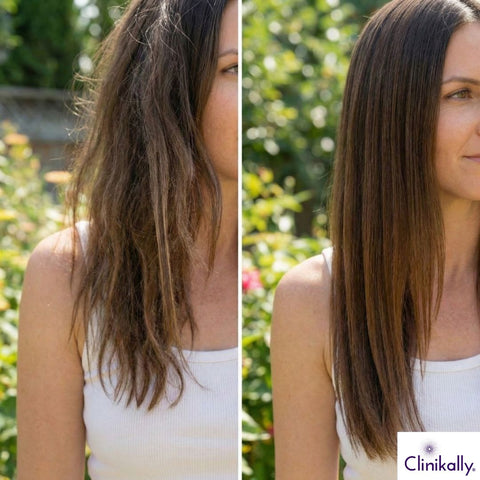
Plant proteins, oils, and esters in haircare provide instant cosmetic benefits as well as long-term structural healing. Understanding the distinction aids in optimizing procedures for damaged or stressed hair.
-
Cuticle smoothing and surface coating frequently produce immediate results. A thin protective layer on the hair shaft is formed by oils like amaranth or jojoba esters, as well as proteins like pea or soy. This decreases friction, frizz, and shine, resulting in a smoother, more controllable texture. These effects are most visible on dry, coarse, or chemically treated hair, making it easier to style and reducing breakage while brushing or combing.
-
Long-term impacts include deeper penetration and structural healing over time. Proteins derived from chicory, soy, or pea penetrate the cuticle and cortex, filling keratin gaps and strengthening the hair's interior structure. Regular use improves elasticity, prevents split ends, and restores resilience. Oils also provide long-term benefits by nourishing the hair, retaining hydration, and promoting scalp health, laying the groundwork for healthier, stronger growth.
Safe Use of Plant Proteins for Colored and Textured Hair
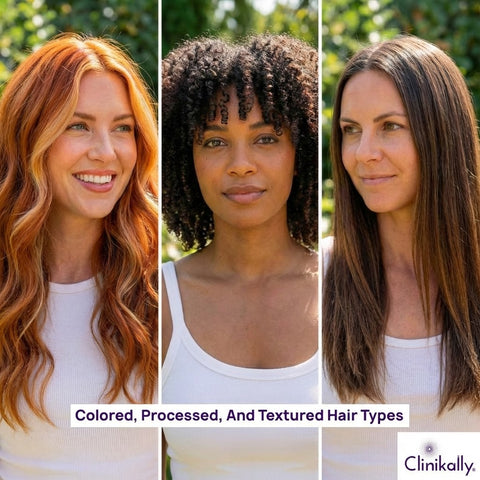
The following products are safe to use on colored, processed, and textured hair:
-
Color-treated hair is porous and susceptible to moisture loss. Proteins like soy and chicory fortify the hair shaft, while oils like jojoba esters and amaranth oil moisturize and smooth cuticles. To prevent color fading, use proteins in moderation to avoid stiffness, combine with UV shields or antioxidants to defend against environmental stresses, and avoid high-heat style soon after protein treatments to keep color vibrancy.
-
Chemically processed hair, such as perms or relaxers, is structurally compromised. Protein-enriched masks repair keratin connections, increasing suppleness and decreasing breaking. Oils and esters protect the cuticle from additional stress. To maintain balance, alternate protein treatments with moisture-focused routines, target applications on mid-lengths and ends where damage is most severe, and use leave-ins to keep hair hydrated between washes.
-
Textured and curly hair benefits from both moisture and protein reinforcement. Lightweight proteins such as pea protein improve moisture retention, whilst oils and esters define curls, minimize frizz, and increase suppleness. Tips for textured hair include using heavy oils and creams sparingly to avoid buildup, layering proteins with moisturizing masks for weekly deep-conditioning treatments, and detangling with fingers or wide-tooth combs to reduce breaking.
Personalizing Botanical Protein Solutions For Your Hair Goals
Botanical proteins provide a natural and effective way to strengthen, mend, and protect hair. To get the best results, adapt protein treatments to your unique hair goals, type, and daily regimen. Strength and breakage prevention, elasticity and curl support, moisture-protein balance, growth and scalp support, and individualized routine are all examples of personalized botanical protein solutions for your hair goals.