Boost Your Hemoglobin Naturally: 6 Proven Ways to Improve Levels Fast
Dietary changes, lifestyle alterations, and the incorporation of specific foods and behaviors can all help to naturally improve hemoglobin levels. In this blog, we'll look at six tried-and-true methods for swiftly increasing hemoglobin levels.
Understanding Hemoglobin: Why Is It Essential for Your Body?
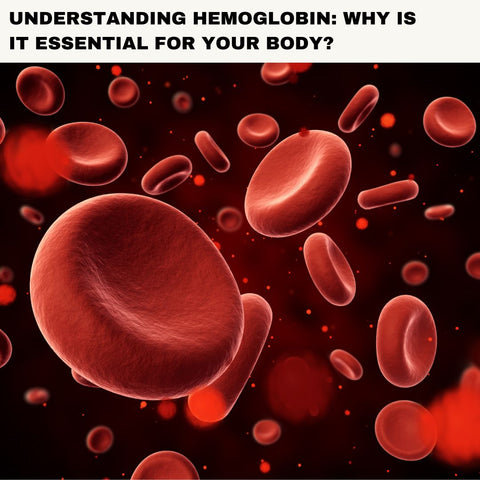
Hemoglobin is a protein found in red blood cells that is essential for overall health. Here's an in-depth look at why it's essential:
-
Oxygen transfer: Hemoglobin's principal purpose is to transport oxygen from your lungs to the rest of your organs and tissues. Every time you breathe in, oxygen enters your lungs and bonds to the hemoglobin molecules in your red blood cells. These oxygenated red blood cells then circulate through your bloodstream, supplying oxygen to cells that require it for energy production and appropriate operation.
-
Carbon dioxide removal: After delivering oxygen to your cells, hemoglobin removes carbon dioxide (a byproduct of metabolism) from the tissues. It transfers carbon dioxide back to the lungs, where it is released when you breathe out. This mechanism maintains the equilibrium of gases in your body and avoids the accumulation of potentially dangerous waste.
-
Maintaining healthy tissue function: Your tissues require an adequate quantity of oxygen to operate normally. Low hemoglobin levels may prevent your body from receiving adequate oxygen, resulting in weariness, weakness, and trouble completing physical activity. Low oxygen levels can also damage the function of essential organs, such as the heart and brain.
-
Supporting energy levels: Because oxygen is a significant component in energy generation (particularly in the mitochondria, where energy is produced), adequate hemoglobin levels are critical for maintaining energy and stamina. Low hemoglobin levels can cause symptoms such as fatigue, dizziness, and shortness of breath, all of which indicate a lack of oxygen in the body.
-
Regulating pH levels: Hemoglobin acts as a buffer, helping to maintain the pH equilibrium in your blood. It regulates the acid-base balance by binding to excess hydrogen ions and keeping the blood from becoming overly acidic or alkaline. This helps to keep the body's systems running efficiently.
-
Supporting immune function: The circulatory system (by hemoglobin) delivers not only oxygen but also critical nutrients and immune cells. These nutrients are essential for fighting infections and maintaining the body's defense mechanisms in peak condition.
The Role of Hemoglobin in Blood and Oxygen Transport
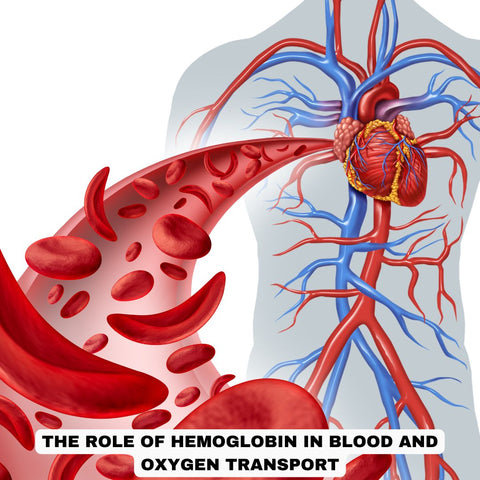
Hemoglobin is the major protein responsible for transporting oxygen throughout the body. Here's a closer look at hemoglobin's role in this process, including its construction and function, oxygen binding in the lungs, oxygen transport in the bloodstream, oxygen release to tissues, carbon dioxide transport back to the lungs, and oxygen affinity regulation.
Common Symptoms of Low Hemoglobin Levels
Low hemoglobin levels, often known as anemia, can produce a range of symptoms because your body isn't getting enough oxygen to function normally. The severity of symptoms varies according to how low the hemoglobin levels are and how quickly they decline. Low hemoglobin levels can cause fatigue and weakness, paleness, shortness of breath, dizziness or lightheadedness, rapid or irregular heartbeat, cold hands and feet, headaches, brittle nails and hair, chest pain (in severe cases), restless leg syndrome (RLS), and difficulty concentrating.
Causes of Low Hemoglobin: What You Should Know
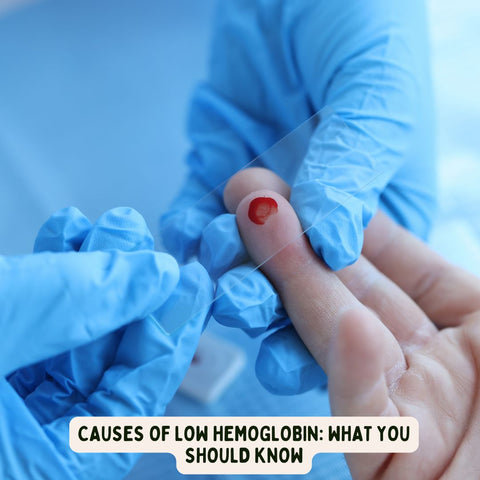
Low hemoglobin levels, often known as anemia, can be caused by a range of causes that impair the body's capacity to create healthy red blood cells and maintain an adequate supply of hemoglobin. The most common reasons for low hemoglobin levels are iron deficiency, vitamin insufficiency, chronic diseases, blood loss, bone marrow abnormalities, hemolysis (the destruction of red blood cells), genetic disorders, pregnancy, overhydration (hemodilution), and drugs.
Top 6 Natural Ways to Improve Hemoglobin Levels
Improving hemoglobin levels naturally is an excellent method to improve your overall health, particularly if you want to increase your energy, stamina, and overall well-being. The top six natural ways to boost hemoglobin levels are to eat iron-rich meals, increase vitamin C intake, incorporate folate (vitamin B9) into your diet, increase vitamin B12 intake, consume iron-absorbing foods while avoiding iron blocks, and keep hydrated and active.
Iron-Rich Foods: Adding Nutrient Powerhouses to Your Diet
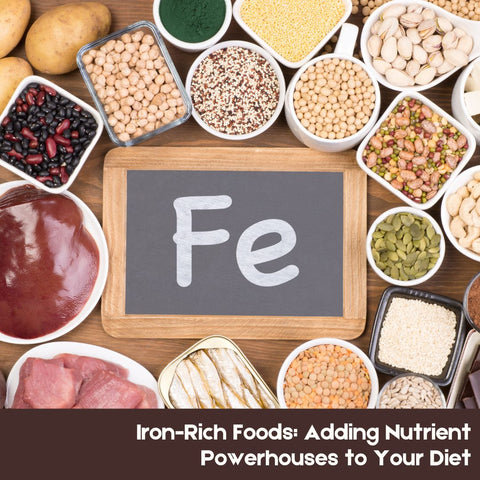
Iron is an essential component for maintaining appropriate hemoglobin levels and ensuring that oxygen is adequately transported to all of your tissues and organs. Here's a list of iron-rich foods you can add to your diet to increase your iron intake, divided into heme iron (from animal sources) and non-heme iron (from plant sources), including heme iron sources (animal-based), non-heme iron sources (plant-based), iron-fortified foods, iron-rich vegetables, and dried fruits.
Boosting Hemoglobin with Vitamin C and Folic Acid
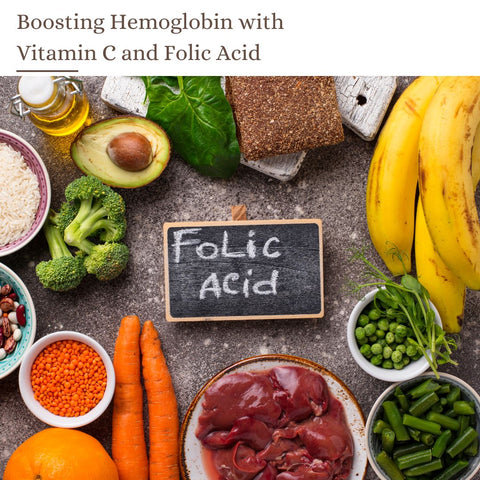
Including foods high in vitamin C and folic acid in your diet is a natural and effective strategy to increase hemoglobin levels. Vitamin C improves iron absorption, whereas folic acid helps to produce and mature red blood cells. A well-balanced diet rich in these nutrient-dense foods can boost your hemoglobin levels and improve your overall health. If you are concerned about your hemoglobin or iron levels, you should always speak with a healthcare specialist for individualized advice and testing.
Healthy Drinks for Hemoglobin: Natural Juices and Smoothies
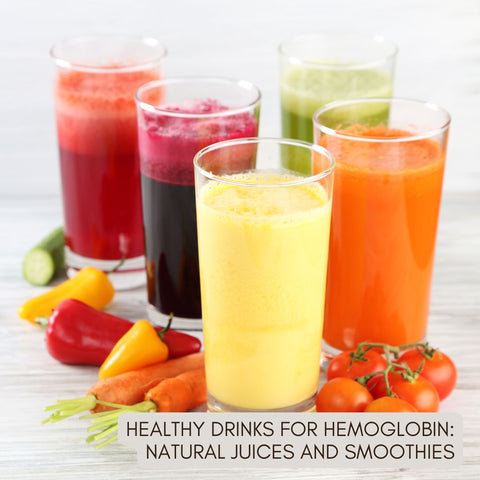
Adding nutrient-rich beverages to your daily routine may make increasing your hemoglobin levels easier and more enjoyable. Many juices and smoothies contain essential nutrients such iron, vitamin C, folic acid, and vitamin B12, all of which are necessary for healthy red blood cells and proper oxygen transmission. Some healthy drinks that can naturally improve your hemoglobin levels are an iron-boosting green smoothie, beetroot and carrot juice, pomegranate juice, citrus and kiwi smoothie, apple, carrot, and lemon juice, mango and spinach smoothie, and guava juice.
Lifestyle Changes to Support Hemoglobin Production
Simple lifestyle changes can help increase hemoglobin production and maintain healthy red blood cells. Incorporate regular exercise, restful sleep, stress management, hydration, and nutritional eating into your daily schedule. To enhance overall well-being, avoid excessive smoking and drinking, and address any underlying health issues. Making these lifestyle adjustments can help your body produce healthy hemoglobin levels, as well as improve your general health and energy.
Exercises to Enhance Blood Health and Hemoglobin Count

Exercise is a powerful tool for improving hemoglobin production and overall blood health. Engaging in a variety of physical activities like aerobic exercise, strength training, yoga, HIIT, and breathing exercises can help boost circulation, support red blood cell production, and improve your body's ability to transport oxygen. To achieve the best results, it’s important to maintain a consistent exercise routine alongside a balanced diet that supports your blood health. Always consult with a healthcare provider before beginning any new exercise regimen, especially if you have pre-existing health conditions.
Supplements: When and How to Use Them for Hemoglobin
Supplements can help improve hemoglobin levels and treat nutrient shortages, especially if you don't obtain enough of certain vitamins and minerals from your diet alone. Iron, vitamin B12, folic acid, and vitamin C are all essential for red blood cell synthesis and general blood health. However, supplements should be used with caution and under the supervision of a healthcare professional to avoid unnecessary dangers and to appropriately support your body's needs.
Hydration and Its Impact on Healthy Blood Circulation
Maintaining good blood circulation requires adequate hydration. Proper water intake maintains blood consistency, promotes heart function, enhances oxygen and nutrition delivery to tissues, and lowers the risk of clotting. Make hydration a priority by drinking water on a regular basis and including hydrating foods in your diet. Your cardiovascular system, heart, and overall health will thank you!
Conclusion: Take Charge of Your Hemoglobin for a Healthier Life
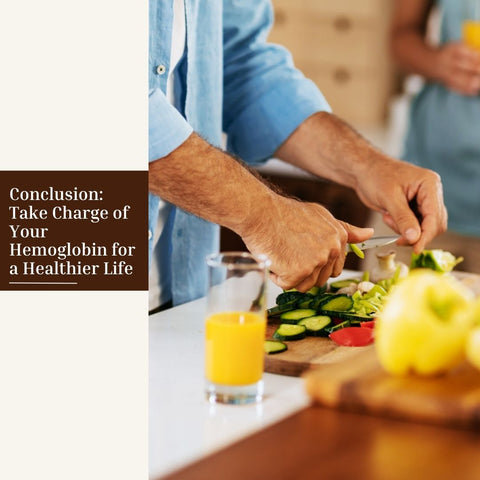
Your hemoglobin levels are critical to your general health because they affect your body's ability to carry oxygen, sustain energy, and support key activities. Keeping your hemoglobin levels within a healthy range ensures that your blood circulation is efficient, your tissues are fed, and you feel great. You may improve your general health and vigor by taking proactive efforts to encourage hemoglobin production, including eating a balanced diet, exercising regularly, and staying properly hydrated. Iron-rich meals, vitamin C, and folic acid can help fuel your body from within. Make time for physical activity to maintain good blood circulation and red blood cell formation. Stay hydrated to ensure smooth blood flow and less pressure on your cardiovascular system. Supplements can also help fill dietary shortages and maintain optimal hemoglobin levels.