Understanding Lipohydroxy Acid: Benefits for Acne and Skin Care
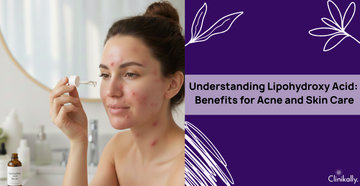
Do you know the benefits of using LHA (capryloyl salicylic acid) in your skincare routine? Lipohydroxy acid (LHA) is a salicylic acid derivative that has several skin benefits, including improved skin texture, unclogging pores, and creating a more radiant complexion and even skin tone. Read on to find out more about this exfoliating agent.
Understanding Lipohydroxy Acid: A Powerful Ingredient for Acne Treatment
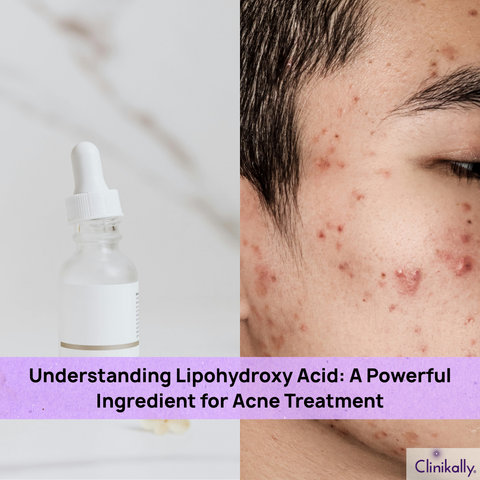
Lipohydroxy Acid (LHA) is a salicylic acid derivative that belongs to the beta hydroxy acid (BHA) family. However, it has unique qualities that make it particularly effective and soothing for acne-prone and sensitive skin. LHA promotes cell-by-cell exfoliation, unclogs pores, and dissolves the sebum and debris that cause blackheads and breakouts. Its gentle exfoliating action improves skin texture and reduces post-acne discoloration over time. Furthermore, it has anti-inflammatory and antibacterial qualities, making it great for treating current acne and avoiding future flare-ups. Another notable aspect of LHA is its ability to stimulate skin renewal while not disturbing the skin barrier, making it appropriate for those who find harsher acids too harsh. It's commonly used in acne treatments, toners, and serums for oily, congested, or blemish-prone skin.
What Is Lipohydroxy Acid and How Does It Work for Acne?
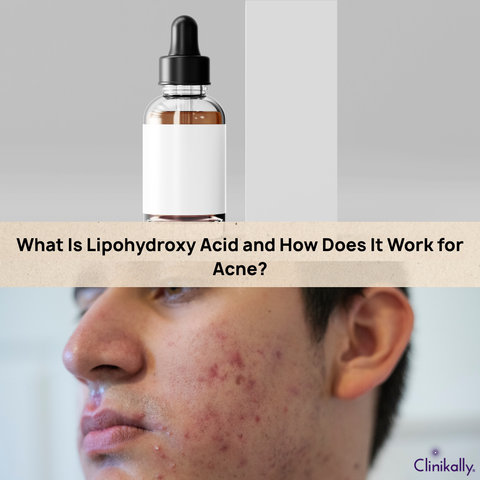
Lipohydroxy acid (LHA), or 2-hydroxy-5-octanoyl benzoic acid, is a salicylic acid derivative known as capryloyl salicylic acid. The chemical structure of LHA is composed of a long-chain fatty acid, which makes it more lipophilic, or able to dissolve in oil or sebum, than salicylic acid. This permits lipohydroxy acid to reach the sebum-rich pilosebaceous unit. Furthermore, LHA has a large molecular size and cannot penetrate as deeply as salicylic acid. It also penetrates the skin slower than its BHA counterpart. However, because of its lipophilic structure and sluggish penetration rate, lipohydroxy acid can exfoliate dead skin cells from the skin's outer layer more thoroughly, virtually mirroring our natural desquamation (skin shedding). In contrast, BHA removes skin cells more quickly and forcefully, which may be too harsh for delicate skin. Also, unlike many other chemical exfoliants, which are more acidic, lipohydroxy acid has a pH similar to that of normal skin (5.5), making it gentler and less irritating.
Lipohydroxy Acid vs. Other Acne Treatments: A Comparison
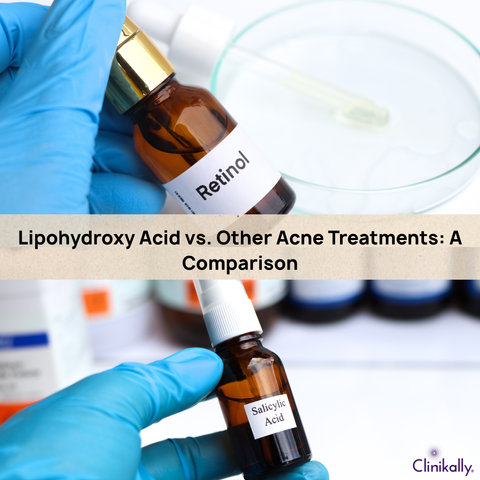
Lipohydroxy Acid (LHA) is unique among acne treatments due to its mild exfoliating action and low irritant potential, but how does it compare to other regularly used acne-fighting ingredients? Here's the breakdown:
-
Lipohydroxy Acid (LHA) vs Salicylic Acid: Both are beta-hydroxy acids, which exfoliate and unclog pores. LHA has a greater molecular size and is more lipophilic, resulting in slower, more regulated penetration. This decreases irritation and makes it appropriate for delicate skin. Advantages include a softer, more targeted effect with comparable acne-fighting results.
-
LHA vs. Benzoyl Peroxide: Benzoyl peroxide destroys acne-causing germs while also reducing oil. Highly helpful for inflammatory acne, but may cause dryness, redness, and peeling. The benefits of LHA include being non-irritating, anti-inflammatory, and exfoliating without disturbing the skin barrier.
-
LHA vs. Retinoids (e.g., Retinol, Adapalene): Retinoids promote normal skin cell turnover and avoid clogged pores. It is more effective for long-term acne prevention, but it can cause irritation, purging, and sun sensitivity. The advantage of LHA is that it is a milder alternative for everyday use and has fewer adverse effects.
-
LHA vs. Alpha Hydroxy Acids (e.g., Glycolic and Lactic Acid): AHAs exfoliate the skin's surface, improving tone and texture. Active acne is less effective than post-acne resurfacing. The advantage of LHA is that it penetrates deeper into pores because of its oil solubility, directly treating acne.
How Lipohydroxy Acid Helps in Reducing Acne and Skin Inflammation
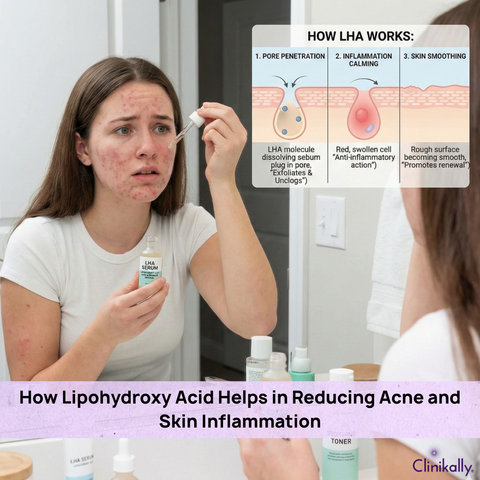
Lipohydroxy Acid (LHA) has a dual purpose in acne treatment: it not only clears clogged pores, but it also relieves the irritation that sometimes accompanies breakouts. Its distinct chemical structure—a salicylic acid derivative—provides both exfoliating and anti-inflammatory properties, making it especially beneficial for sensitive, acne-prone skin.
-
Unclogging pores and preventing breakouts: LHA's gradual penetration and lipophilic nature allow it to exfoliate the skin layer by layer, unclogging pores and reducing outbreaks. This selective exfoliation helps to loosen and remove dead skin cells, excess oil, and debris that can clog pores and cause comedones (blackheads and whiteheads). LHA keeps pores clear, which prevents the production of new acne lesions.
-
Reducing skin inflammation: Inflammation has an important role in the development of acne, particularly in papules, pustules, and cysts. LHA has anti-inflammatory characteristics that assist in reducing redness, swelling, and irritation caused by active breakouts. Its gentle action also reduces the likelihood of causing more irritation, which is a typical drawback of many traditional acne treatments.
-
Antibacterial support: Although LHA is not an antibiotic, it does have modest antimicrobial characteristics that help lower the amount of Cutibacterium acnes (previously P. acnes), a bacterium that causes acne breakouts.
-
Barrier-friendly exfoliation: Unlike harsher acids, LHA exfoliates without removing natural moisture or causing micro-tears. This makes it suitable for regular usage, even on reactive or sensitive skin.
The Benefits of Lipohydroxy Acid in Skin Care
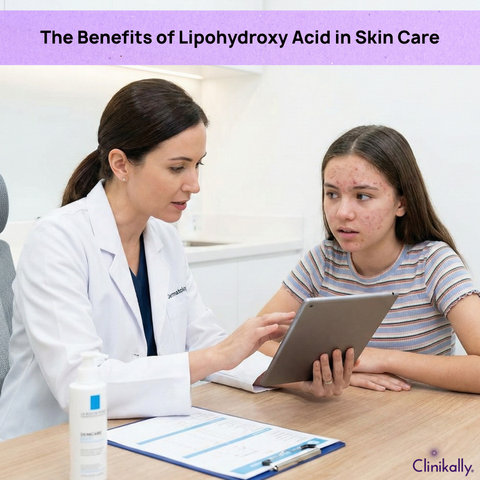
LHA is a multipurpose skincare ingredient known for its gentle but powerful activity. Here are the major advantages of LHA in skincare:
-
Gently exfoliate: LHA stimulates cell-by-cell exfoliation, allowing for the regulated removal of dead skin cells. Unlike harsher acids, it acts on the skin's surface without irritating or breaking the skin barrier, making it suitable for sensitive and acne-prone skin.
-
Unclogs pores and combats acne: Because of its lipophilic (oil-attracting) properties, LHA effectively penetrates greasy pores. It helps to dissolve excess sebum, eliminate blackheads and whiteheads, and prevent fresh breakouts by keeping pores clean.
-
Reduces inflammation: LHA has anti-inflammatory characteristics that soothe irritated skin, reduce redness, and aid in the healing of acne lesions, lowering the intensity and visibility of outbreaks over time.
-
Improves skin texture and luminosity: With regular usage, LHA refines skin texture, smoothes rough spots, and boosts radiance. It can also reduce post-acne scarring and discoloration by increasing cell turnover.
-
Supports skin barrier health: Unlike other chemical exfoliants, LHA does not peel the skin or cause excessive dryness. It promotes skin barrier integrity, allowing for repeated usage without sensitization.
-
Compatible with other actives: LHA works well with niacinamide, hyaluronic acid, and zinc, making it simple to add into a larger skincare regimen geared at treating acne, dullness, or rough skin.
Lipohydroxy Acid as an Exfoliant: How It Improves Skin Texture
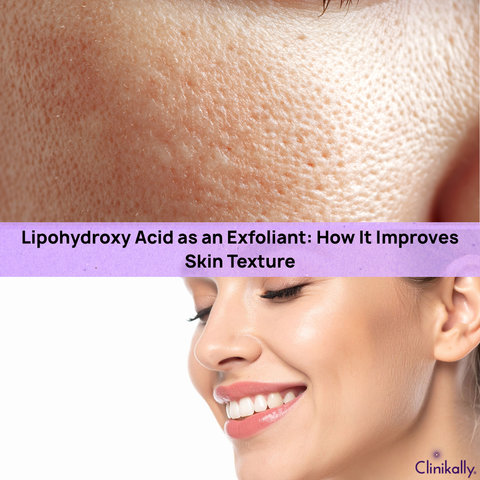
LHA is a very effective, gentle exfoliator that improves skin texture without the harshness associated with stronger acids. Its distinguishing features—slow penetration, focused action, and oil solubility—make it ideal for purifying and rejuvenating the skin's surface.
-
Precision exfoliation: LHA exfoliates the skin cell by cell, eliminating only the top layers of dead skin. This selective procedure produces smoother, more uniform skin without irritation or peeling, which is a common side effect of harsher exfoliants such as glycolic acid.
-
Smoother texture and softness: LHA increases texture and softness by lifting away rough, dull skin cells, softening uneven regions, and improving tactile smoothness. Regular application reduces flakiness and roughness, leaving the skin smoother and more refined.
-
Pore refinement: Due to its lipophilic nature, LHA can dissolve sebum and debris deep within the pores. This relieves congestion and reduces the appearance of enlarged pores, resulting in a more polished and even-looking face.
-
Brighter, more even tone: Because LHA speeds up cell turnover, it helps to remove post-acne blemishes, discoloration, and surface dullness. Over time, the skin appears to get visibly brighter and more vibrant.
-
Barrier-friendly exfoliation: Unlike harsher acids, which can break the skin barrier, LHA preserves skin integrity, making it suitable for daily use, even on sensitive or acne-prone skin.
Anti-inflammatory Benefits of Lipohydroxy Acid for Sensitive Skin
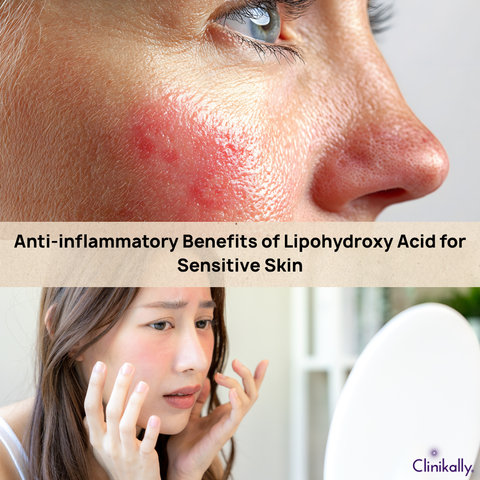
It also has strong anti-inflammatory properties, making it particularly beneficial for sensitive, reactive, or acne-prone skin. Its ability to reduce irritation while also fostering skin renewal distinguishes it from many harsher exfoliants and acne treatments.
-
Soothes redness and irritation: LHA has been shown to have anti-inflammatory qualities, which can help reduce obvious indications of inflammation such as redness, swelling, and discomfort. This makes it perfect for persons with sensitive or sensitized skin who experience flare-ups after using other acids or treatments.
-
Controls acne without excessive stripping: Many traditional acne treatments can irritate delicate skin due to their powerful antibacterial or exfoliating properties. LHA treats acne gently, unclogging pores and lowering bacterial activity without damaging the skin barrier, thus preventing dryness, tightness, and flaking.
-
Supports barrier repair: Inflammation is often caused by a damaged or weakened skin barrier. LHA protects the skin's protective layer, supporting healing and barrier function rather than disturbing them. Its gentle, surface-level exfoliation promotes rejuvenation while minimizing irritation.
-
Reduces the likelihood of post-inflammatory hyperpigmentation (PIH): By reducing inflammatory responses after breakouts or irritation, LHA helps to lessen the chance of persistent dark patches and uneven tone, particularly in hyperpigmented skin types.
-
Ideal for rosacea-prone skin: Although LHA is not a treatment for rosacea, its non-irritating profile makes it an excellent choice for people who have rosacea-prone skin but still require gentle exfoliation and oil control.
Using Lipohydroxy Acid for Skin Rejuvenation and Acne Control
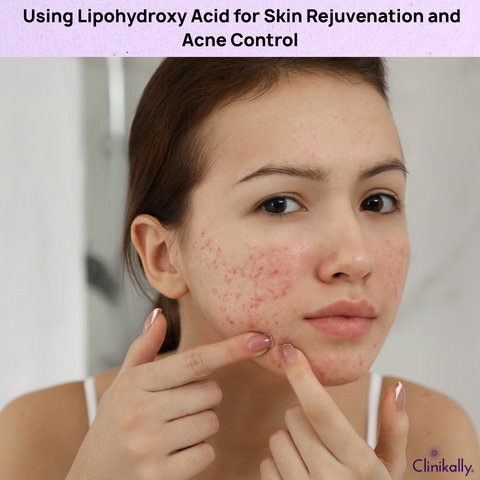
Lipohydroxy Acid (LHA) is a potent yet delicate skincare component that clears acne-prone skin while also revitalizing dull, uneven complexions. LHA, a variant of salicylic acid with a distinct molecular structure, enters the skin gently and selectively, providing excellent exfoliation with minimum irritation—ideal for sensitive or combination skin.
-
Acne control: LHA is oil-soluble, so it can penetrate and decongest clogged pores, helping to treat acne. It removes excess sebum and dead skin cells, which cause blackheads, whiteheads, and acne breakouts. LHA decreases Cutibacterium acnes (the acne-causing bacteria) and reduces redness and swelling surrounding active lesions, making it effective for both non-inflammatory and inflammatory acne. Regular application promotes clear pores and balanced oil production, lowering the probability of new blemishes appearing.
-
Skin rejuvenation: LHA stimulates cell-by-cell desquamation, or the progressive and even removal of dead skin cells. This smoothes rough texture and makes the skin appear fresh and polished. LHA reduces post-acne scars, dark spots, and sun-induced discolouration, giving a brighter, more even complexion. A smoother skin surface with fewer imperfections leads to a healthier glow and improved skin texture.
Incorporating Lipohydroxy Acid Into Your Skin Care Routine
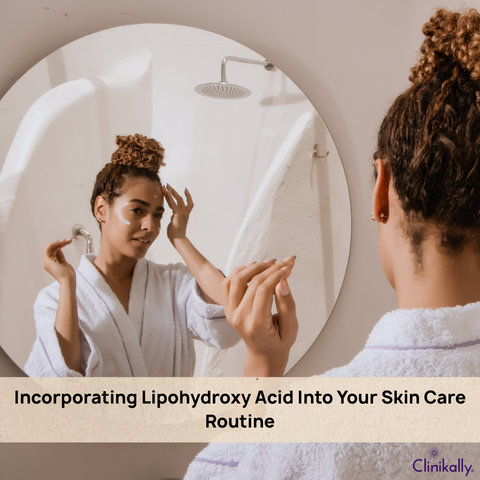
LHA is a flexible and gentle exfoliator that can help with acne, texture, and overall skin clarity. Including it in your skincare routine can produce dramatic effects with minimum aggravation, particularly if you have sensitive, oily, or acne-prone skin.
-
Select the correct product: LHA is typically found in cleansers (for daily pore purification), toners (to balance oil and gently exfoliate), serums or spot treatments (for targeted exfoliation and acne prevention), and moisturizers (for gentle, leave-on exfoliation). Look for products that clearly state LHA (Capryloyl Salicylic Acid) in the ingredient list and are designed for your skin type.
-
Start slowly and gradually: Use LHA 2-3 times a week, preferably in the evening. If your skin tolerates it, you can progressively increase the frequency of application to daily.
-
Ideal routine placement: Here's how to layer LHA effectively: cleanser (use a gentle, non-stripping solution), LHA product (use after cleansing), moisturizer (hydrate to reinforce the skin barrier), and SPF (use broad-spectrum sunscreen every day to protect exfoliated skin).
-
Pair With complementary ingredients: LHA works well with niacinamide (to reduce inflammation and strengthen the skin barrier), hyaluronic acid (to maintain hydration), and zinc (to regulate oil and soothe blemishes). Avoid layering with strong actives like retinoids, glycolic acid, or high-percentage salicylic acid initially to reduce the risk of irritation.
-
Monitor and adjust: Pay attention to your skin’s response, such as if irritation occurs; reduce frequency or switch to a milder formulation. If skin improves, maintain regular use to prevent acne and keep skin smooth and clear.
Best Ways to Use Lipohydroxy Acid for Acne Treatment
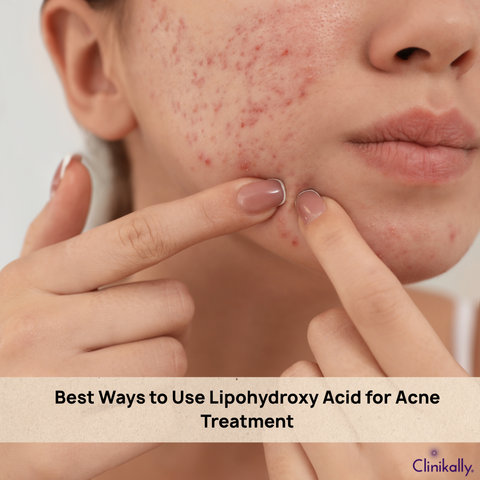
LHA is a potent yet gentle substance that addresses a variety of acne symptoms, including plugged pores, excess oil, irritation, and post-acne marks. It is good for both mild and moderate acne because of its regulated penetration and reduced irritation risk, particularly in delicate or reactive skin. Here's how to get the most out of LHA in your acne treatment routine:
-
To maximize impact, use a leave-on product: Leave-on formulations, such as serums, gels, or moisturizers containing LHA, have longer contact with the skin, allowing the ingredient to operate deep into the pores. Apply these straight to clean skin after cleansing, ideally once per day (typically at night).
-
Pair with a gentle LHA cleanser: An LHA-based cleanser can help avoid clogged pores and exfoliate gently on a daily basis without drying out the skin. It works especially well when applied in the morning or as a pre-treatment before serums or spot treatments.
-
Use spot treatments to treat breakouts: For isolated blemishes, apply a targeted spot treatment with LHA. Its anti-inflammatory and exfoliating effects minimize edema and promote healing without irritating the surrounding skin.
-
Begin slowly and gradually increase frequency: Use LHA 2-3 times per week to see how your skin reacts. As your skin's tolerance improves, you can increase usage to daily or alternate days, depending on your needs.
-
Combine with complementing substances: Niacinamide reduces inflammation and regulates oil, while hyaluronic acid keeps skin hydrated, and zinc inhibits bacterial growth and redness. To prevent the danger of over-exfoliation, avoid starting with strong exfoliants (such as glycolic acid or retinoids).
-
Use sunscreen daily: Sunscreen should be used on a daily basis since LHA promotes skin cell turnover, which might enhance UV sensitivity. A broad-spectrum SPF 30 or higher is required to protect against sun damage and post-inflammatory hyperpigmentation.
Combining Lipohydroxy Acid with Other Ingredients for Optimal Results
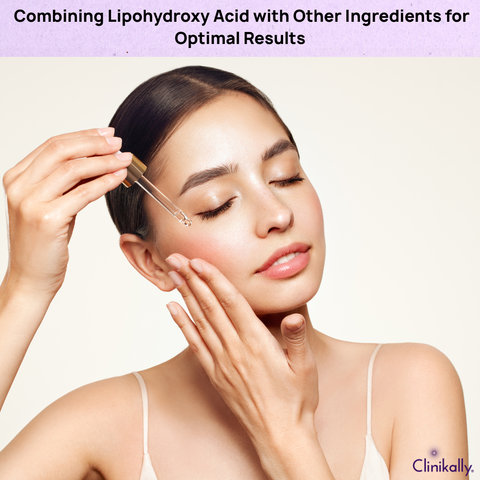
LHA is a uniquely gentle exfoliator and acne treatment agent that works well with a number of substances to improve outcomes while maintaining skin health. Its gentle, targeted action makes it excellent for layered regimens, particularly for sensitive or acne-prone skin.
-
LHA with Niacinamide: Niacinamide lowers inflammation, controls sebum, and builds the skin barrier. Together, they soothe acne, refine pores, and even out skin tone without causing irritation. Apply LHA serum first, followed by a niacinamide serum or moisturizer.
-
LHA + Hyaluronic Acid: LHA exfoliates, while hyaluronic acid replaces hydration. It prevents the dryness and tightness that are commonly linked with exfoliants. To lock in moisture, apply a moisturizing moisturizer or a hyaluronic acid serum soon after LHA.
-
LHA + Zinc: Zinc regulates oil production, relieves irritation, and has antimicrobial properties. It helps to calm acne-prone skin, while LHA exfoliates and cleans pores. Look for formulas that incorporate both, or layer separately—LHA first, zinc product second.
-
LHA and Salicylic acid: Both treat acne and congestion, but LHA is milder. The benefits include dual-action pore purification for persistent blackheads and breakouts. To avoid over-exfoliation, use this combination on alternate days or products.
-
LHA + Retinoids: Retinoids increase cell turnover, while LHA removes debris and avoids blockage. The benefits include smoothing texture, fading acne marks, and preventing new breakouts. To reduce irritation, start slowly and alternate nights. Hydration is crucial.
Tips for Maximizing the Effectiveness of Lipohydroxy Acid in Your Routine
LHA is a powerful yet gentle exfoliator that treats acne, dullness, and uneven texture while causing minimum discomfort. To get the most out of this ingredient, apply it correctly and strategically alongside other phases in your skincare routine. Here are key guidelines for maximizing its benefits:
-
Apply to clean, dry skin: LHA works best after cleaning. Before applying LHA products, remove debris and oil with a moderate, non-stripping cleanser to ensure greater absorption and effectiveness.
-
Choose leave-on products: While LHA cleansers are effective, leave-on formulations such as serums, toners, and moisturizers have longer contact with the skin, providing deeper exfoliation and acne-fighting benefits.
-
Start slowly and monitor your tolerance: Use LHA 2-3 times per week, especially if you have sensitive skin. To avoid irritation or excessive exfoliation, gradually increase the frequency as your skin adjusts.
-
Layer in complementing components: To improve results while minimizing negative effects, use niacinamide, soothe inflammation, and balance oil. Hyaluronic acid moisturizes and relieves dryness. Zinc promotes healing and regulates sebum. Unless advised by a specialist, avoid using LHA with other strong exfoliants (such as AHAs or high-strength retinoids).
-
Always use sunscreen: Exfoliation increases skin sensitivity to UV light. To prevent your skin from UV damage and avoid post-inflammatory pigmentation, use a broad-spectrum SPF 30 or higher every day.
-
Be consistent, not aggressive: LHA delivers benefits when used regularly rather than excessively. Maintain a consistent routine over several weeks to witness improvements in texture, tone, and breakouts.
-
Focus on barrier support: Because LHA exfoliates, combine it with barrier-repairing ingredients like ceramides, panthenol, or squalane to keep skin firm and resilient.
Tailoring Your Acne Treatment: How Lipohydroxy Acid Can Help
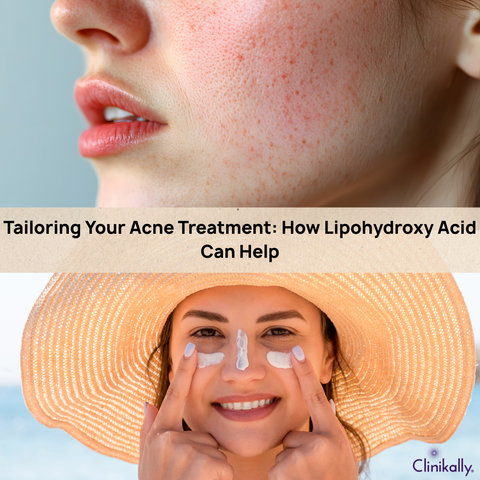
Lipohydroxy Acid (LHA), a mild variant of salicylic acid, is an excellent component for personalized acne therapy. It provides precise, cell-by-cell exfoliation that removes clogged pores without irritating the skin, making it ideal for sensitive, oily, or acne-prone complexions. LHA's oil-soluble nature helps it to enter deep into pores, dissolving sebum and dead skin cells while decreasing acne-causing bacteria. Unlike typical exfoliants, LHA acts slowly and selectively, resulting in reduced dryness and sensitivity. It also has anti-inflammatory effects, which help to reduce redness and swelling around breakouts. This makes it extremely helpful for both non-inflammatory (blackheads, whiteheads) and inflammatory acne (papules, pustules).
LHA can be customized to specific skin needs, such as using low concentrations for sensitive skin, combining it with oil-regulating components like zinc for oily skin, or alternating with retinoids to target obstinate breakouts and post-acne blemishes. To achieve the best benefits, LHA should be administered on a regular basis in leave-on treatments such as toners or serums, followed by sunscreen to preserve the freshly exfoliated skin.
How Lipohydroxy Acid Fits Into Personalized Acne Care Plans
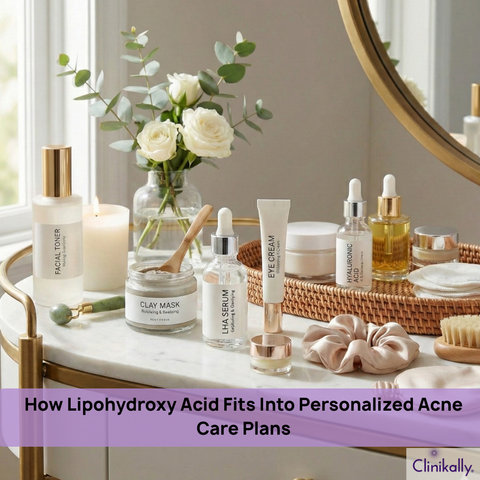
LHA is an important element in individualized acne therapy because of its unique ability to combine efficacy and tolerability. Unlike many traditional acne treatments, which can cause irritation or dryness, LHA offers gentle, targeted exfoliation while targeting key acne factors such as clogged pores, excessive oil, bacteria, and inflammation. It works for personalized care.
-
Tailored exfoliation: LHA exfoliates on a superficial, cell-by-cell basis, allowing for controlled renewal without harming the skin barrier. This makes it ideal for delicate, mixed, or easily irritated skin.
-
Versatile formulations: It comes in a range of product kinds, including cleansers, toners, serums, and moisturizers, so customers may select the format that best meets their skin needs and lifestyle.
-
Compatible with other actives: LHA works well with niacinamide, hyaluronic acid, zinc, and even retinoids (on alternate days), allowing for targeted layering to address issues such as inflammation, oiliness, or post-acne pigmentation.
Choosing the Right Lipohydroxy Acid Products for Your Skin Type
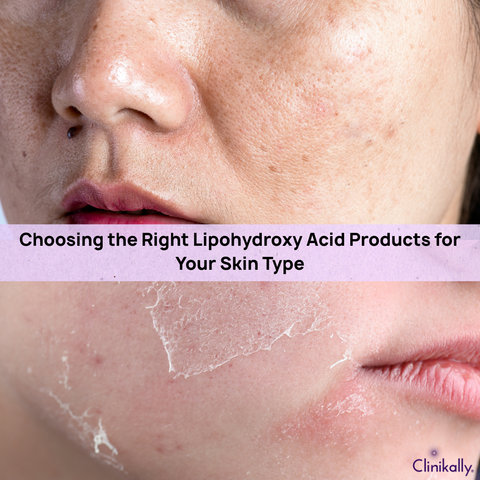
LHA is a moderate, oil-soluble exfoliator that may be used on a variety of skin types; however, selecting the proper product formulation provides optimal results with minimal irritation. Whether you have acne, uneven texture, or dullness, LHA may be adjusted to your skin's exact requirements.
-
Oily and acne-prone skin: Use cleansers, toners, or lightweight gels. Look for LHA combined with niacinamide, zinc, or salicylic acid. It helps to clear pores, minimize shine, and prevent breakouts without overdrying.
-
Sensitive or dry skin: Use creamy serums, moisturizers, or low-concentration LHA products. Look for LHA mixed with hyaluronic acid, ceramides, or panthenol. It exfoliates and smoothes the skin without damaging the skin's protective barrier.
-
Combination skin: It requires lightweight serums or multi-action toners. Look for balanced solutions that include both oil-controlling and hydrating ingredients. Targets greasy areas while hydrating drier areas.
-
Mature or uneven skin: Use LHA in anti-aging serums or resurfacing night creams. Look for LHA formulated with retinoids, peptides, or vitamin C. Improves texture, clarity, and minimizes tiny lines with minimal irritation risk.
Tailoring Your Acne Treatment: How Lipohydroxy Acid Can Help
Lipohydroxy Acid (LHA) is an effective, targeted acne treatment option. As a milder variant of salicylic acid, it provides precision exfoliation and anti-inflammatory properties, making it suited for a wide range of skin types, including sensitive or reactive skin. Its ability to function within the skin's oil phase allows it to deeply infiltrate pores, dissolve excess sebum, and minimize the growth of comedones (blackheads and whiteheads) while not irritating.
LHA's cell-by-cell exfoliation promotes healthy skin renewal, unclogs pores, and gradually removes post-acne blemishes. Its anti-inflammatory characteristics also help reduce redness and swelling, making it suitable for treating both inflammatory and non-inflammatory acne. Because it is less irritating than stronger acids or retinoids, it works well in routines that demand a softer approach, particularly for people with sensitive, combination, or damaged skin barriers.
LHA can be incorporated into acne care regimes in a variety of ways, including gentle cleansers for daily maintenance, toners for oil control, and leave-on treatments for deeper action. It works well with calming substances like niacinamide, hyaluronic acid, and zinc, and can be combined with retinoids or AHAs to improve results.