Mastering Pumice Stone Care: Achieve Silky-Smooth Feet Effortlessly

A pumice stone helps exfoliate the skin and soften calluses. However, if used incorrectly, it might induce bleeding or increase the risk of infection. When lava and water come into contact, they make a pumice stone. It is a light but abrasive stone used to remove dry, dead skin. A pumice stone can also help to soften calluses and corns, reducing friction-related pain. This stone can be used daily, but you must understand how to use it properly. If you are not careful, you may remove too much skin, causing bleeding and increasing your risk of infection.
What Is a Pumice Stone and Why Should You Use It?

A pumice stone is a naturally occurring volcanic rock generated when lava from a volcano cools and solidifies quickly, trapping gas bubbles within. This produces a lightweight, porous texture that is both abrasive and soft, making it an ideal exfoliant. It has been utilized for ages in numerous cultures for personal hygiene and care, notably for the feet. Their ability to remove dead skin cells and smooth rough regions has made them a popular choice for at-home pedicures and skin care programs. It provides numerous benefits, particularly for keeping your skin smooth and healthy. Here are some reasons why you should include one in your beauty routine: It exfoliates dead skin, softens tough, callused skin, prevents foot odor, helps with corns and bunions, increases circulation, improves skin texture, is inexpensive, and is simple to use.
Understanding Pumice Stone’s Origins and Composition

Pumice stone is a naturally occurring volcanic rock with an outstanding composition of silica, aluminum oxide, iron oxide, and gas bubbles, which contribute to its lightweight, abrasive, and exfoliating properties. The stone develops when molten lava cools quickly, trapping gas bubbles within, and has been used for millennia in beauty rituals to exfoliate and soften rough skin. Pumice stones are adaptable and sustainable, making them a key part of personal care routines all around the world.
Key Benefits of Using a Pumice Stone for Foot Care

The primary advantages of using a pumice stone for foot care are:
-
Removes calluses and thickened skin: Over time, frequent friction or pressure on the feet, particularly the heels, causes the formation of calluses, which are thick, rough patches of dead skin. A pumice stone gently scrapes away these regions, making your feet feel smoother. Regular use of a pumice stone can help to avoid the accumulation of thick skin, which can be uncomfortable and ugly. Pumice improves the appearance and feel of your feet by removing calluses.
-
Softens dry, cracked skin: Pumice stones are useful for exfoliating dry, cracked skin, especially on the heels and soles of the feet. By eliminating dead skin cells, they encourage the development of new, healthier skin beneath. Dry, cracked skin on your feet can be uncomfortable and ugly. Using a pumice stone can help restore moisture and smoothness, lowering the risk of infections in damaged skin.
-
Improves foot hygiene: Pumice stones exfoliate dead skin and remove calluses, preventing dirt, sweat, and bacteria from accumulating on the feet. This increased foot cleanliness lowers the incidence of foot odor, fungal infections (like athlete's foot), and other skin disorders. Regular exfoliating keeps your feet clean and healthy.
-
Increases circulation: Using a pumice stone in circular motions over the foot can stimulate blood flow and improve circulation. Improved circulation keeps your feet feeling invigorated and promotes good skin health. This is especially useful for folks who spend a lot of time standing or walking.
-
Prevents corns and bunions: Use a pumice stone to exfoliate the thick skin that forms around corns and bunions on the feet. This lowers friction and pressure in particular areas, potentially alleviating discomfort. While a pumice stone will not cure bunions or corns, frequent exfoliation can help prevent skin accumulation around them and make these issues easier to treat.
-
Improves skin texture and softness: Pumice stones improve skin texture and softness by gently removing dead skin cells, leaving your feet feeling softer and smoother. For persons with rough, dry feet, using a pumice stone daily can restore a softer texture and a more polished appearance, making them feel pampered.
-
Improves overall foot appearance: Exfoliating with a pumice stone removes dry, flaky skin, revealing smoother, healthier-looking feet. It also decreases the appearance of thicker skin and rough spots. Pumice stones are an easy solution for anyone who enjoys pedicures or wants to keep their feet looking clean and shiny.
-
Cost-effective foot care: Pumice stones are inexpensive and may be used for a variety of home foot care treatments, saving you money on professional pedicures. Pumice stones are an inexpensive way to keep your feet in good shape without the need for costly treatments or salon appointments.
-
Prevent foot pain and discomfort: Pumice stones help reduce foot pain and discomfort by routinely exfoliating rough spots and calluses, allowing your feet to preserve their natural flexibility. This may alleviate discomfort caused by thick, rigid skin or pressure points. Keeping feet free of tough, callused areas can help reduce foot pain, especially while walking or standing for extended periods.
-
Simple and easy to use: Using a pumice stone requires no specific abilities. Simply bathe your feet, run the pumice stone over rough areas, and finish with moisturizer. Pumice stones are an efficient foot care tool that requires little effort or time. This ease of use makes it an excellent tool for anyone wishing to keep their feet nice and healthy at home.
Is a Pumice Stone Safe for All Skin Types?

When used appropriately, a pumice stone can be safe and effective for most skin types; nevertheless, it is critical to consider your skin's specific needs and sensitivity. If you have dry, sensitive, or acne-prone skin, exercise caution when using a pumice stone to avoid irritation. Pumice stones can assist normal and oily skin types by eliminating calluses and smoothing rough skin, leaving your feet and other areas feeling soft and revitalized. For the greatest results, always use the pumice stone softly and moisturize afterward.
Step-by-Step Guide: How to Use a Pumice Stone Effectively

Using a pumice stone is an easy and effective approach to exfoliate and smooth rough, dry skin, particularly on the feet. Whether you're dealing with calluses or dry patches, or simply want to keep your skin smooth and silky, here's a step-by-step instruction for using a pumice stone effectively:
-
Step 1: Gather the supplies: Before you begin, make sure you have everything you need: a pumice stone, warm water (for soaking), mild soap (optional), a towel (to dry your skin), and moisturizer or foot lotion (for aftercare).
-
Step 2: Soak your skin: Soak your feet in warm, soapy water for 5-10 minutes to soften the skin and make it easier to exfoliate. This reduces inflammation and makes the pumice stone more effective. Fill a basin or bathtub with warm water. Add a little bit of mild soap or a foot soak for added softening. Soak your feet (or hands, elbows, etc.) for 5-10 minutes.
-
Step 3: Wet the pumice stone: Wetting the pumice stone minimizes friction, making exfoliation easier and less irritating. Hold the pumice stone under warm water until completely hydrated.
-
Step 4: Begin gently scrubbing: Using one hand, wipe the pumice stone over the afflicted regions in circular motions or back-and-forth strokes. Concentrate on places with thicker skin, such as calluses, heels, elbows, or rough spots on the feet. Scrubbing too forcefully may irritate the skin. Allow the stone's inherent abrasiveness to do the work. Spend 2-3 minutes on each location, depending on how thick your skin is. Don't exfoliate too much, as this might cause discomfort or damage.
-
Step 5: Rinse the area: After washing, use warm water to remove dead skin cells and pumice debris. Wash the exfoliated skin with clean, warm water. You might use a soft washcloth or simply sprinkle the area with water.
-
Step 6: Dry your skin: Patting your skin dry prepares it for moisturizing and keeps moisture from evaporating before you hydrate. To remove any excess water, gently pat your skin with a soft towel. Avoid rubbing since it can irritate freshly exfoliated skin.
-
Step 7: Moisturize: After exfoliating with a pumice stone, your skin will be more prone to dryness; therefore seal in moisture. Apply a rich, nourishing foot cream, lotion, or oil to the exfoliated skin. For added hydration on your feet, try a rich foot cream or petroleum jelly.
-
Step 8: Clean your pumice stone: after each usage to prevent bacteria buildup and ensure good operation. Rinse the pumice stone with warm water. Scrub carefully with a brush (such as an old toothbrush) to remove any debris or skin buildup. Allow it to thoroughly dry before storing it.
-
Step 9: Maintain regular use: Use your pumice stone regularly (approximately once a week) to keep your skin smooth, silky, and free of calluses and dry spots.
Preparing Your Feet for Exfoliation

Exfoliating your feet is an effective approach to removing dead skin, minimizing calluses, and keeping your feet smooth and healthy. However, to achieve the greatest results and avoid irritation, you must thoroughly prepare your feet before exfoliating. To prepare your feet for exfoliation, gather your supplies, remove your footwear and socks, trim your toenails and clean your cuticles (optional), soak your feet, dry your feet, apply foot cream or oil (optional), prepare your exfoliating tool, check for sensitivity, and get ready to exfoliate.
Correct Techniques for Using a Pumice Stone
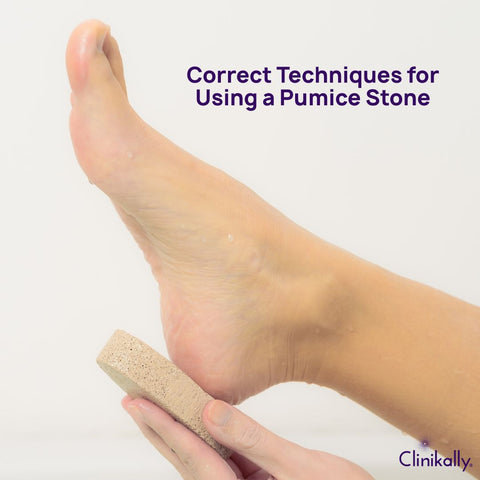
A pumice stone is a useful instrument for exfoliating tough skin, particularly on the feet. To get the greatest results and avoid skin harm, make sure to use the pumice stone appropriately. To exfoliate safely and effectively, follow these steps: bathe your skin first, wet the pumice stone, and focus on dry or calloused areas. Use gentle pressure and circular motions, rinse and analyze your progress, dry your skin, moisturize right away, and clean the pumice stone.
Aftercare Tips for Lasting Softness

Exfoliating with a pumice stone or other exfoliation tools can make your skin feel soft and smooth. However, proper aftercare is necessary to keep your skin moisturized, nourished, and protected. The best aftercare tips for maintaining long-lasting softness are to moisturize immediately after exfoliating, apply a moisturizing treatment, avoid tight shoes and socks, do not over-exfoliate, drink plenty of water, protect your skin from sun exposure, keep your skin clean and dry, use non-abrasive products, and consider overnight foot care.
Common Mistakes to Avoid When Using a Pumice Stone

The mistakes to avoid when using a pumice stone include:
-
Using a dry pumice stone. Mistake: A dry pumice stone might be overly abrasive, causing discomfort, friction, and even micro-tears in your skin.
-
Scrubbing too hard. Mistake: Excessive pressure or scrubbing can cause skin irritation, redness, and even injury, particularly in delicate regions.
-
Exfoliating dry or irritated skin. Mistake: Using a pumice stone on dry, cracked, or irritated skin can aggravate the problem and cause additional damage or infection.
-
Over-exfoliating. Mistake: Exfoliating excessively can cause skin irritation, redness, and even increased sensitivity. It also removes the skin's natural oils, which can cause dryness and discomfort.
-
Not rinsing the skin and pumice stone. Mistake: Leaving dead skin cells and pumice debris on your skin or stone can accumulate and irritate the skin over time.
-
Applying a pumice stone to delicate or thin skin. Mistake: The tops of your feet, the face, and places with delicate skin (for example, around the eyes) are particularly sensitive and may be injured by the abrasive action of a pumice stone.
Over-Exfoliation and Its Risks

Excessive exfoliation can lead to major side effects like dryness, irritation, breakouts, and skin damage, even while it's essential for keeping skin smooth and healthy. You may get the advantages of exfoliation without the hazards if you pay attention to your skin, exfoliate sparingly, and take good care of yourself afterward. Before you start exfoliating again, it's crucial to give your skin time to heal if you see any symptoms of over-exfoliation, such as redness or irritation.
Choosing the Right Pumice Stone for Your Skin

Pumice stones are ideal for exfoliating tough skin and eliminating dead skin cells. However, selecting the appropriate pumice stone for your skin type and needs is critical for attaining the best results while avoiding irritation or harm. Choose the proper pumice stone for your skin, such as skin type, shape, and size, seek quality materials; examine the pumice stone's longevity, check for a comfortable grip, consider multi-sided pumice stones, and price concerns.
How to Maintain Your Pumice Stone for Hygiene

A pumice stone is an excellent tool for exfoliating rough skin and eliminating dead skin cells, but it must be properly cared for and maintained to stay sanitary and effective. Here's how you can keep your pumice stone clean and safe to use.
-
Clean your pumice stone: Every time you use your pumice stone, dead skin cells, grime, and possibly bacteria collect. If not properly cleansed, this buildup can lead to irritation, foul odors, and even diseases.
-
Dry your pumice stone completely: Moisture can cause mold, bacteria, and mildew growth on your pumice stone, rendering it unhygienic. Drying it properly ensures that it remains clean and safe for subsequent usage.
-
Deep clean regularly: Even with regular cleaning, your pumice stone may accumulate deeper debris or bacteria that mere rinsing cannot remove completely. Deep cleaning keeps it properly sterilized and germ-free.
-
Inspect for wear and tear: Pumice stones gradually wear down and lose their effectiveness over time, resulting in greater buildup and unclean conditions. Regularly examine your pumice stone.
-
Store your pumice stone properly: Proper storage minimizes contamination and moisture buildup, keeping the pumice stone in good condition.
-
Avoid using it on broken skin: Avoid using a pumice stone on broken, irritated, or inflamed skin because it might introduce bacteria and cause infection.
-
Replace as necessary: Pumice stones have a limited lifespan, and using a worn-out stone might result in inadequate exfoliation or even damage.
Personalized Foot Care Tips for Healthier Skin

Healthy, smooth feet not only look wonderful but also feel well, which is why a proper foot care routine is crucial. Personalized foot care tips tailored to different needs whether you have dry skin, calluses, sensitive feet, or simply want to keep your feet in top condition are dry, cracked feet, calluses, and thick skin; sweaty feet; sensitive skin; cracked heels; fungal infections; and overall foot health.
Building a Skincare Routine for Soft Feet

Creating a skincare routine for silky feet does not have to be hard. Regular soaks, exfoliation, moisturization, and specialized treatments for specific foot issues (such as cracked heels) will help you keep your feet smooth and soft. Consistency is crucial, so adhere to a regimen that works for you, and don't forget to give your feet regular care.
Combining Pumice Stone with Moisturizing Techniques
A step-by-step guide on how to effectively combine both for the best results:
-
Begin with a foot soak for softening: A foot soak is an excellent technique to prepare your feet for exfoliation and soften the skin, making dead skin simpler to remove with the pumice stone. Incorporate Epsom salt, baking soda, or essential oils such as lavender or tea tree oil into the warm water. These substances can relax and soften your feet while also providing extra advantages, such as hydration and antifungal qualities. Soak your feet in a warm, relaxing bath for 10-15 minutes. This softens stubborn skin and calluses, allowing you to utilize the pumice stone without aggravation.
-
Exfoliate with the pumice stone: After soaking, use the pumice stone to gently exfoliate the skin, particularly in regions with thicker skin or calluses. Moisten your pumice stone with warm water to decrease friction and irritation. Concentrate on rough skin areas such as the heels, balls of the feet, and sides of the toes. To avoid harming the skin, exfoliate gently, circularly, and with minimal pressure. Do not scrape too vigorously, as this may cause discomfort or wounds. You should exfoliate the top layer of dead skin, not the healthy skin beneath.
-
Moisturize immediately after exfoliation: After exfoliating your feet, apply a thick moisturizer to seal in hydration and keep them soft and smooth. Look for a thick, hydrating foot cream with nourishing components like shea butter, cocoa butter, glycerin, and ceramides. These chemicals help to deeply moisturize and replenish moisture in the skin. After exfoliating, generously apply moisturizer to your feet, focusing on areas that are prone to dryness or cracking, such as the heels, arches, and toe sides. While using the cream, give yourself a pleasant foot massage to boost circulation and help the moisturizer penetrate the skin more efficiently.
-
Seal in moisture with overnight treatment: To increase hydration and suppleness, apply a thicker layer of cream before bed and wear socks overnight. At night, apply a thick layer of foot cream or petroleum jelly to your feet. Concentrate on cracked heels and particularly dry areas. Put on a pair of cotton socks after moisturizing to assist the cream in retaining moisture. The socks will keep your feet warm and allow the moisturizer to seep more deeply into your skin while you sleep.
-
Repeat frequently for the finest results: Consistency is essential for preserving soft feet. Regular exfoliating and moisturizing will keep your feet in great shape. Exfoliate with a pumice stone once a week to eliminate dead skin and avoid calluses. For excessively rough or dry feet, increase the frequency to twice per week. To keep your feet supple and hydrated, apply a foot cream or lotion after each shower. This will help to keep the smoothness and prevent dryness from recurring.
Enhancing Your Foot Care Routine: Expert Tips for Long-Lasting Results

Improving your foot care routine requires a combination of regular maintenance, specialized treatments, and healthy lifestyle choices. Regular exfoliation, hydration, and the proper footwear can help you attain soft, smooth, and healthy feet. Add a few expert tips like frequent massages, sun protection, and proper hygiene and your feet will thank you for the long-term effects.