The Flexitarian Diet Made Easy: A Practical Guide to Balanced Eating
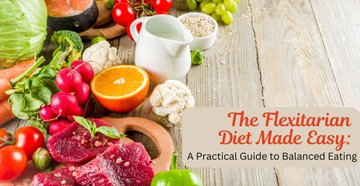
The flexitarian diet is becoming more and more well-liked as a sustainable and adaptable method of eating healthily. The flexitarian diet offers nutritional flexibility while emphasizing plant-based meals. This post will discuss the flexitarian diet, including its advantages and practical guidance.
What is the Flexitarian Diet? Understanding Its Core Principles

"Flexitarian" is a combination of "flexible" and "vegetarian." This eating pattern prioritizes plant-based foods but does not eliminate animal goods. Unlike strict vegetarian or vegan diets, flexitarians enjoy the freedom to occasionally include meat, fish, dairy, and eggs in their meals.
The flexitarian diet is not prescriptive but encourages:
-
Increasing the intake of fruits, vegetables, whole grains, and plant-based proteins.
-
limiting additional sweets and processed foods.
-
limiting the consumption of animal products.
The Philosophy Behind Flexitarian Eating
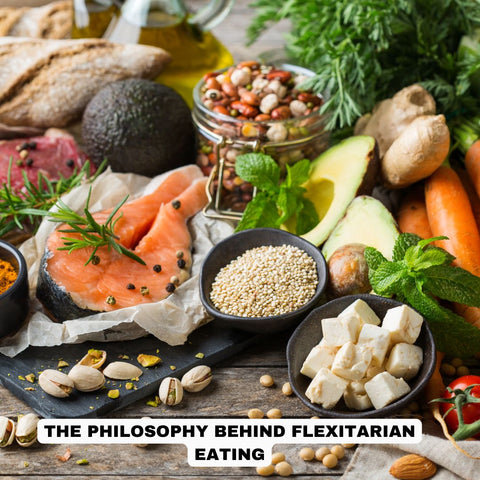
The flexitarian diet is gaining popularity as a flexible and sustainable approach to healthy eating. Combining the principles of vegetarianism with the occasional inclusion of meat and other animal products, the flexitarian lifestyle emphasizes plant-based meals while allowing for dietary flexibility.
How Flexitarian Differs from Vegetarian and Vegan Diets
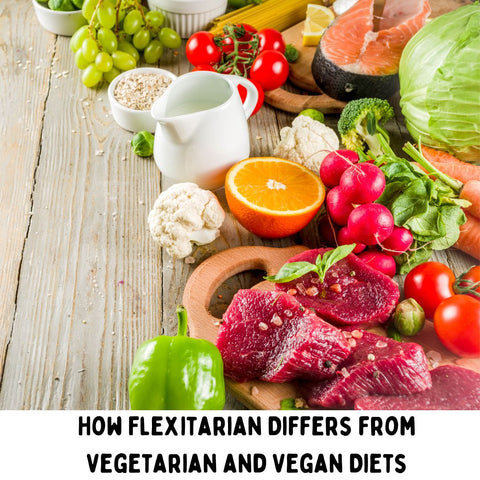
Although they are all plant-based diets, flexitarian, vegetarian, and vegan diets vary in how they handle animal products and nutritional flexibility. The breakdown is as follows:
-
Vegetarian diet: A diet that avoids meat, fish, and poultry but may include dairy, eggs, and honey. Types include lacto-vegetarian, ovo-vegetarian, and lacto-ovo vegetarian. Ethical considerations, environmental problems, and health benefits. Eating spaghetti with cheese or a vegetable omelet while avoiding meat and seafood.
-
Vegan diet: A diet devoid of any animal products, such as dairy, eggs, honey, fish, and meat. It is entirely plant-based. It is usually driven by health advantages, environmental sustainability, or ethical considerations (animals' rights). Meals consist of legumes, plant-based milk, and stir-fried tofu.
Key Characteristics of a Flexitarian Lifestyle
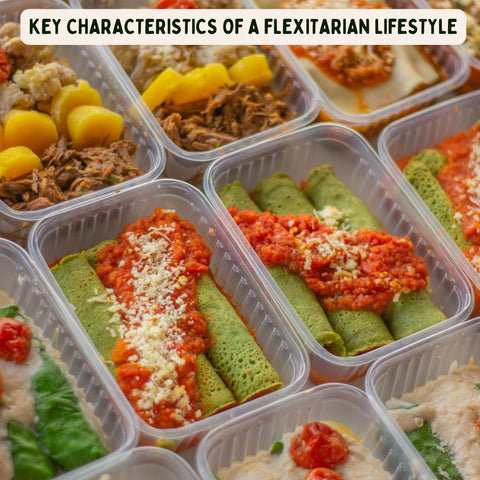
The flexitarian lifestyle combines the benefits of a plant-based diet with the flexibility to occasionally include animal products. Its main features are a plant-based diet with sporadic animal products, a focus on diversity, a health-conscious approach, ethical and environmental considerations, high flexibility, and a concentration on whole, minimally processed foods. By following these guidelines, the flexitarian lifestyle offers a sustainable and well-balanced eating pattern that combines the freedom to eat a variety of foods with health advantages.
Health Benefits of the Flexitarian Diet
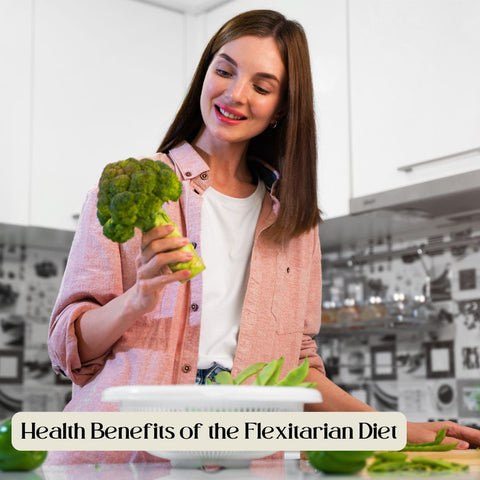
The flexitarian diet has several health benefits because it focuses on plant-based foods while allowing for the inclusion of animal products. Here are the main health benefits:
-
Supports heart health: Abundant in fiber, healthy fats (from nuts, seeds, and avocados), and antioxidants that promote cardiovascular health. Limiting saturated fats from red and processed meats can lower LDL ("bad") cholesterol levels. High intake of potassium-rich fruits and vegetables helps manage blood pressure.
-
Weight management: Foods derived from plants typically have more fiber and less calories, which helps people feel fuller for longer. Dietary constraints are lessened by flexibility, which facilitates long-term maintenance.
-
Reduces risk of chronic diseases: Emphasizing nutritious grains, legumes, and vegetables can help to regulate blood sugar levels and increase insulin sensitivity. High consumption of fruits, vegetables, and plant substances (such as phytochemicals) lowers the risk of various malignancies, including colon cancer. Plant-based foods' anti-inflammatory characteristics can help lessen the risk of chronic illnesses.
-
Improves digestive health: Promotes regular bowel motions and improves gut microbiota health. Prebiotic foods like onions, garlic, and bananas nourish good gut microbes.
-
Promotes longevity: Balanced nutrition includes a variety of essential vitamins, minerals, and nutrients derived from plants and, sometimes, animals. Lower rates of heart disease, obesity, and other conditions associated with a longer, healthier life.
-
Boosts mental well-being: A nutrient-rich diet supports brain health and reduces mood swings. Less restrictive than vegan or vegetarian diets, reducing stress around eating choices.
-
Sustainable energy levels: Consistent energy is produced by combining plant proteins, entire carbohydrates, and healthy fats. As animal products are used as necessary, deficits that are frequently seen in stricter diets are avoided.
-
Suitable for all ages: It can be customized to match the needs of children, adults, pregnant women, and the elderly by varying the amount and type of animal products consumed.
How Flexitarian Eating Supports Heart Health
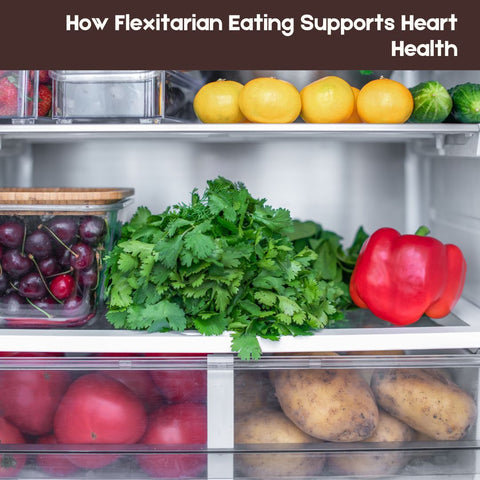
A flexitarian diet is especially good for heart health since it emphasizes nutrient-dense plant-based meals and limits your intake of animal products. It promotes cardiovascular wellness by lowering saturated fat intake, being high in heart-healthy nutrients, encouraging healthy blood pressure, supporting healthy cholesterol levels, promoting weight loss, reducing inflammation, encouraging plant-based proteins, and improving blood sugar control.
Weight Management and the Flexitarian Diet
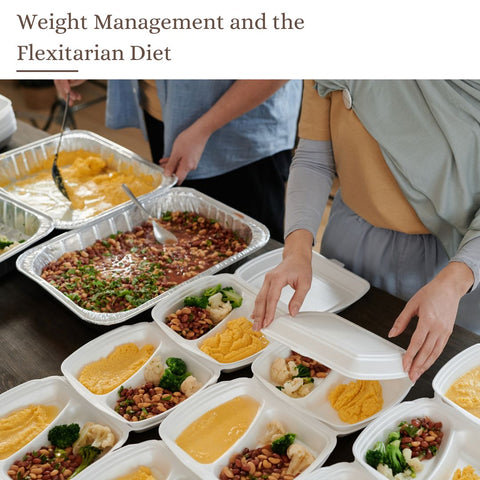
The flexitarian diet's emphasis on nutrient-dense, plant-based foods while preserving flexibility makes it a successful and long-lasting weight-management strategy. It helps with weight control in the following ways:
-
Low in calories: Plant-based foods like fruits, vegetables, and whole grains are lower in calories but rich in nutrients, making it easier to create a calorie deficit without feeling deprived. Prioritizing whole, unprocessed foods provides essential vitamins and minerals while avoiding empty calories from processed snacks.
-
High in fiber: Foods high in fiber, such as whole grains, beans, and lentils, keep you fuller for longer and lower your chances of overeating. Fiber reduces bloating, promotes good digestion, and regulates hunger hormones such as ghrelin.
-
Supports a balanced approach: The diet is easier to follow over the long run since it permits occasional ingestion of meat or other items with more calories without feeling guilty. The restricted mentality that frequently results in binge eating or weight gain is avoided by flexibility.
-
Encourages lean proteins: Foods like tofu, tempeh, legumes, and nuts are satisfying and lower in saturated fat than animal proteins. When animal products are included, they are typically lean proteins like chicken or fish, which support muscle maintenance while being lower in calories.
-
Reduces intake of high-calorie: A focus on nutritious meals inevitably results in less consumption of processed, high-calorie snacks and sugary drinks. promotes switching to nutrient-dense options in place of unhealthy ones (like chips).
-
Promotes steady energy levels: Combines complex carbohydrates, healthy fats, and proteins to maintain stable blood sugar levels, preventing cravings and energy dumps. Whole grains and legumes decrease blood sugar surges, which aids appetite management.
-
Sustainable for long-term use: Allows for occasional indulgences, making it easier to stick to the diet. Encourages a lifestyle change rather than a short-term diet, leading to sustainable weight loss or maintenance.
-
Supports healthy cooking practices: Prepares meals with fresh, whole ingredients to keep portion sizes and calorie levels under control. Encourages experimentation with new recipes and plant-based alternatives, resulting in more pleasurable and varied meals.
Boosting Nutrition with Plant-Based Choices
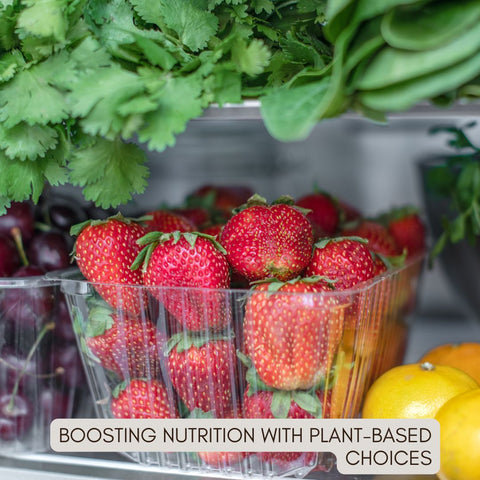
Flexitarian and other plant-forward diets rely heavily on plant-based foods to improve their nutritional value. Plant-based foods contain important nutrients, antioxidants, and fiber, which promote general health and well-being. To improve your nutrition with plant-based options, including a variety of vegetables, whole grains, legumes and beans, healthy fats, plant-based proteins, more fruit, nuts, and seeds, fortified plant-based products, herbs and spices, and fermented foods.
Getting Started: Tips for Transitioning to a Flexitarian Diet
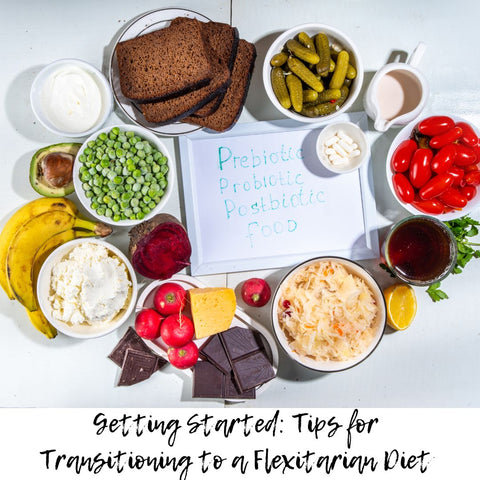
Making the switch to a flexitarian diet is an easy and flexible way to lead a plant-based, healthful lifestyle. Start gently, make a balanced meal plan, experiment with different dishes, shop sensibly, gradually replace meat, pay attention to nutrition, be flexible, involve others, monitor your progress, and acknowledge small triumphs.
Easy Meat Substitutes for Beginners
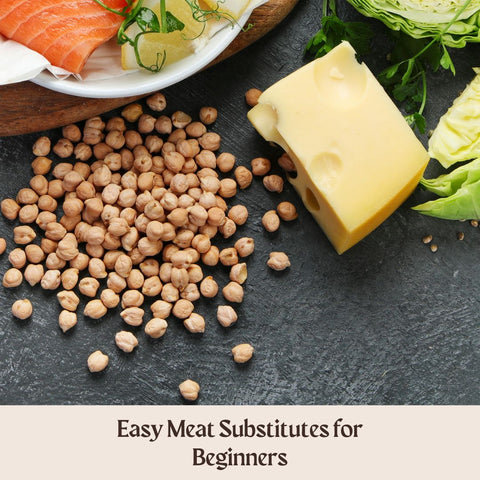
With the right animal alternatives, switching to a flexitarian or plant-based diet can be simple and pleasurable. Tofu (soy-based), tempeh (fermented soybeans), lentils, chickpeas (garbanzo beans), mushrooms, jackfruit, seitan (wheat gluten), black beans, plant-based meat alternatives, cauliflower, eggplant, nuts and seeds, quinoa, and TVP (textured vegetable protein) are ideal places to begin.
Building Balanced Flexitarian Meals
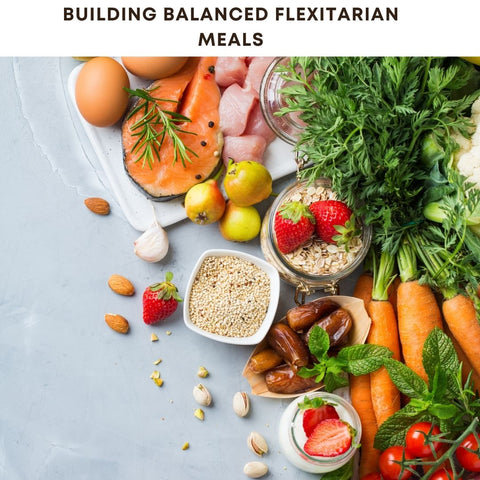
Combining plant-based foods with occasional animal items in a way that satisfies your cravings for flavor and nutrition is part of creating healthy flexitarian meals. Plant-based protein should be the first ingredient in well-rounded meals. Whole grains should be added, vegetables should be abundant, healthy fats should be included, herbs and spices should be used to enhance flavor, a probiotic or fermented food should be included, a calcium source should be added, snacks should be planned, and occasionally animal products should be tried. By balancing macronutrients and using a variety of nutrient-dense foods, you may create delicious and satisfying meals suitable for a flexitarian diet.
Maintaining Flexibility and Enjoying Variety
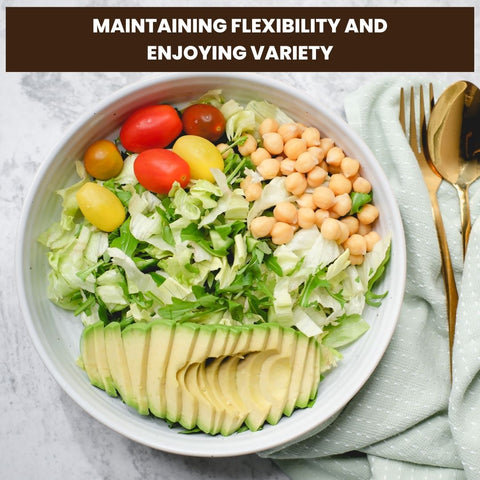
The flexitarian diet is based on maintaining flexibility and enjoying diversity, which makes it both sustainable and pleasurable over time. Maintain a flexible mindset, try out different cuisines, plan for a variety of cooking techniques, allow for occasional indulgences, mix and match ingredients, rotate flavors with herbs and spices, get inventive with meat substitutes, share meals with family and friends, and stay inspired in order to embrace this balanced approach while keeping your meals interesting and flexible.
Challenges and Considerations in the Flexitarian Diet
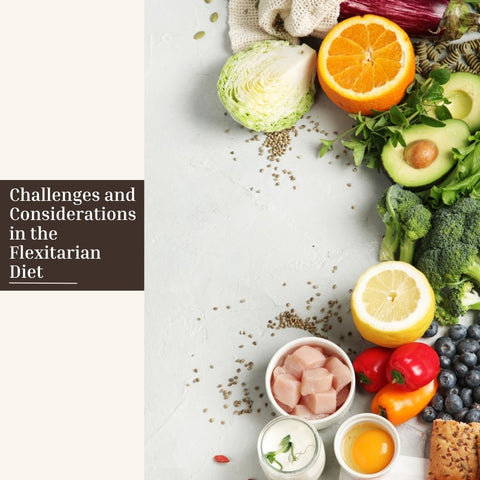
Despite its versatility and many health and environmental advantages, the flexitarian diet has several drawbacks that must be considered to maintain its sustainability and nutritional balance. Concerns such as nutritional balance, meal planning, social circumstances, food expenses, misinformation regarding plant-based diets, reliance on processed foods, consistency, cultural or familial norms, environmental awareness, and long-term motivation should all be monitored and addressed. If you utilize the correct tactics, you may enjoy the variety and benefits of a plant-based lifestyle without feeling limited.