


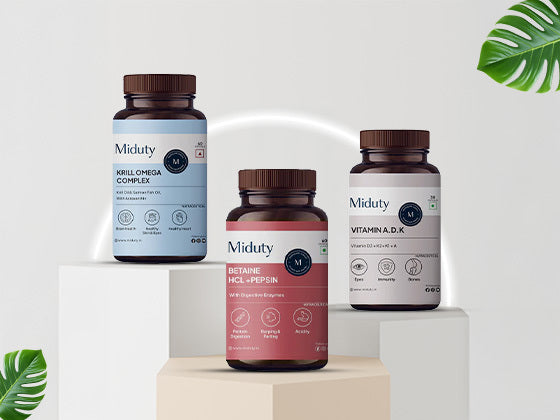


Vitamins and supplements are more popular than ever. But are they everything they're cracked up to be? In this blog, we will look into what occurs when you stop taking supplements.
Understanding the Rebound Effect in Supplementation

The rebound effect is the return—or sometimes exaggeration—of symptoms that were previously relieved with a supplement after it is withdrawn. It does not happen with every nutrient or child, but it is something to be aware of in specific situations. When your youngster consistently takes a supplement:
-
The body may adjust hormone levels, receptor sensitivity, or nutrient metabolism in response to the extra supply.
-
Stopping suddenly can cause a temporary imbalance as the body adjusts to life without the boost.
This is especially noticeable in nutrients that have a direct impact on mood, energy, and metabolism.
What is the rebound effect in nutrition?

The rebound effect in nutrition refers to the return—or worsening—of symptoms or health difficulties after discontinuing a nutrient or dietary intervention, particularly if the body had become dependent on it or accustomed to it over time. It's related to a "withdrawal" or "bounce-back" effect and can happen when a supplement, restricted diet, or primary nutrient source is abruptly discontinued. The body is constantly seeking balance (homeostasis). When a person continuously consumes a nutrient or follows a specific dietary pattern:
-
The body adjusts its metabolism, enzyme levels, hormone activity, and absorption processes in response.
-
If a nutrient is suddenly removed, the body may not immediately adjust, resulting in temporary dysfunction or symptoms.
How your body adjusts post-supplementation

Your body is designed to adapt. Most children and adults can safely discontinue supplements if their diet is adequate and they are not addressing a medical condition. However, if a supplement was used to compensate for a poor diet or a health problem, post-supplementation modifications may be more obvious and should be advised by a healthcare professional.
Common symptoms people experience when stopping

Stopping supplements can create temporary effects, especially if the supplement helped with energy, mood, digestion, or sleep. Most symptoms are modest and temporary, but if they persist, your body may still require assistance.
Supplements You Shouldn’t Quit Cold Turkey

While many vitamins and supplements can be safely withdrawn, some should not be abruptly ceased, especially if your body has grown accustomed to them or if they were used to address a documented deficit or ailment. The list of supplements to avoid while quitting cold turkey, why it matters, and how to taper off safely. Some supplements that impact hormones, neurotransmitters, or nutrient metabolism can treat chronic diseases (e.g., anemia, sleep difficulties, mood disorders), but they might trigger rebound symptoms if stopped too quickly.
-
Melatonin: It is used to regulate sleep, particularly in children and teenagers. May result in rebound sleeplessness, nightmares, or disturbed sleep. Reduce the amount gradually every few days, or switch to natural sources (e.g., magnesium, relaxing sleep practices).
-
Iron (for anemia or deficiency): Is used to treat iron-deficient anemia. Levels might decline abruptly, and anemia can return quietly. Before discontinuing, confirm your iron levels with a blood test; consume more iron-rich foods such as red meat, lentils, and spinach.
-
Vitamin D (particularly in high doses): It is used to promote bone health, immunity, and deficiency treatment. Stored levels decrease in 1-3 months; symptoms like weariness or infections may return. Reduce dosage gradually, and supplement with sunlight and food (such as salmon and fortified milk).
-
Magnesium: It is used to improve sleep, anxiety, constipation, and muscle cramps. May result in the reappearance of symptoms such as sleeplessness or restlessness. Reduce the dosage every few days, and consume magnesium-rich foods (pumpkin seeds, dark chocolate, legumes).
-
Vitamin B12 (particularly when correcting deficiency): Used for energy, attention, and neurological function. Deficiency might reappear quietly, impairing mood, memory, and vitality. Monitor bloodwork and, if necessary, switch to dietary sources (meat, eggs, fortified cereals).
-
Probiotics: They are useful for gut health, digestion, and post-antibiotic support. When someone abruptly stops, they may experience digestive issues (bloating, constipation). Reduce the frequency (for example, from daily to 2-3 times per week) and consume fermented foods (yogurt, kefir, sauerkraut).
Fat-soluble vitamins and hormonal impact

The body stores fat-soluble vitamins (A, D, E, and K) in its fat tissues and liver. Unlike water-soluble vitamins, which are quickly expelled, fat-soluble vitamins can build up over time, influencing not just nutritional balance but also hormone function, particularly in growing children. Here's how these vitamins affect hormones and why supplementing should be handled with caution.
Fat-Soluble Vitamins
-
Vitamin D (hormone in disguise): It is actually a prohormone rather than a vitamin. Controls calcium and phosphorus levels, which are essential for bone formation and parathyroid hormone regulation. Affects insulin, estrogen, and testosterone levels. Affects mood, energy, and even thyroid function.
-
Vitamin A (necessary but with caution): It promotes growth hormones, reproduction, and immune function. Required for thyroid hormone function and gene expression. Excess can interfere with proper hormonal signaling (particularly during pregnancy and in children).
-
Vitamin E (hormone protector): Acts as an antioxidant, protecting hormone-producing organs (such as the adrenal and pituitary). Promotes balanced estrogen and testosterone levels. Vitamin E may help to normalize menstrual periods in older females and minimize oxidative stress in children with chronic inflammation.
-
Vitamin K (calcium-hormone): Vitamin K works with vitamin D to regulate bone-building hormones. Affects osteocalcin, a hormone that promotes bone turnover. Interacts with blood clotting factors, which are partly hormonally regulated.
Tips for safe supplementation.
-
Test, don't guess—have vitamin D or iron levels checked before using high-dose.
-
Use age-appropriate doses. Do not exceed pediatric recommendations unless medically advised.
-
Balance with healthy fats: These vitamins require dietary fats (such as avocado, nuts, and eggs) for proper absorption.
-
Avoid megadoses in multivitamins, unless medically necessary.
-
Consult your pediatrician before beginning or discontinuing fat-soluble supplements.
Minerals that affect energy and cognition

We frequently associate vitamins with supporting attention, memory, mood, and stamina, but minerals can be just as effective. These vital nutrients serve as enzyme cofactors, aid in nerve impulse transmission, and govern cellular energy production. Key minerals that have a direct impact on energy and brain function, particularly in developing youngsters.
-
Iron: It is essential for oxygen transport in the blood (by hemoglobin) and brain development. Promotes attention span, memory, and learning capacity. Deficiency symptoms include weariness, pale skin, irritability, and difficulty concentrating. The best food sources are red meat, lentils, spinach, fortified cereals, and chicken.
-
Zinc: Important for neurotransmitter function and brain plasticity (the way the brain adapts and learns). Improves mental clarity, problem- solving, and mood stability. Deficiency symptoms include a lack of appetite, frequent colds, slowed growth, and concentration difficulties. The best food sources are beef, seafood, pumpkin seeds, chickpeas, and cashews.
-
Magnesium: It regulates nerve signaling, stress response, and energy synthesis in cells. Promotes relaxation, enhances sleep quality, and alleviates anxiety and muscle tension. Sleep problems, muscle cramps, hyperactivity, mood fluctuations, and difficulty concentrating are among the symptoms of deficiency. The best food sources are leafy greens, nuts, seeds, whole grains, and dark chocolate.
-
Iodine: Thyroid hormone synthesis is required for proper metabolism and brain development. Importance during pregnancy and early childhood for IQ and memory development. Fatigue, weight gain, slower growth, and a decreased IQ are all indicators of deficiency. Iodized salt, seaweed, dairy, eggs, and fish are excellent food sources.
-
Copper: Promotes brain development, immunological function, and iron absorption. Needed for enzyme systems that aid in the production of neurotransmitters. Deficiency symptoms include exhaustion, poor immunological function, and developmental delays. Shellfish, nuts, seeds, whole grains, and organ meats are all excellent providers of nutrition.
-
Selenium: Acts as an antioxidant, protecting the brain from oxidative stress and promoting thyroid function. It may improve mood regulation and minimize "brain fog." Fatigue, low immunity, and mood swings are all symptoms of a deficiency. The best food sources are brazilian nuts, tuna, eggs, and sunflower seeds.
The role of lifestyle in nutrient retention

Eating a balanced diet is crucial, but your lifestyle choices have a significant impact on how well your body absorbs and uses nutrients. Even the healthiest meals can fall short if poor habits disrupt digestion, metabolism, or nutrient transfer. Sleep, stress, movement, hydration, and even screen time can all affect how well your child absorbs and benefits from the nutrients they consume.
-
Sleep: During deep sleep, the body repairs itself and consolidates memories, both of which require minerals such as magnesium, zinc, and B vitamins. Poor sleep results in poor nutritional utilization, particularly for brain-supporting minerals. Low sleep affects insulin sensitivity and inflammation, which may impair nutritional absorption and increase vitamin C and D loss.
-
Stress: Chronic stress raises the body's requirements for magnesium (to regulate cortisol), B vitamins (used in stress hormone synthesis), and vitamin C (a powerful antioxidant). High cortisol levels can harm gut health and impair the body's capacity to absorb nutrients effectively.
-
Physical activity: Moderate exercise improves digestion and food absorption throughout the body. Physical activity boosts vitamin D levels, insulin sensitivity (which improves glucose and magnesium transport), and bone remodeling, which requires calcium, magnesium, and vitamin K.
-
Hydration: Water is needed to dissolve nutrients, transport them into cells, and wash out waste. Dehydration harms the kidneys and digestive system, decreasing electrolyte balance and water-soluble vitamin absorption (such as B and C).
-
Screen time and sedentary habits: High screen time leads to less outdoor play, resulting in less sunshine exposure and decreased vitamin D levels. Increased sitting and nibbling might cause intestinal sluggishness and poor mineral absorption. Excessive blue light before bedtime can lead to poor sleep quality and disrupt nutrition metabolism.
-
Processed foods and sugar: A high- sugar diet depletes magnesium, chromium, and zinc. Ultra-processed foods may contain "anti-nutrients" such as phytic acid, which inhibit mineral absorption (particularly calcium, zinc, and iron).
Can You Build a Dependence on Supplements?

Supplements can lead to physical or psychological reliance, particularly when used as a long-term alternative for lifestyle modifications or without medical supervision. Supplements are effective tools, but they are designed to supplement, not replace, your body's natural systems.
Psychological vs physiological dependence

When it comes to long-term supplement use, especially in children and adolescents, it's critical to understand how and why reliance develops. While vitamins and minerals are not as addictive as drugs, some people develop a dependence on them. This can manifest in two ways: psychological dependence and physiological dependence. Here's how they differ and how to identify each.
1. Psychological dependence
This form of reliance is either mental or emotional. You believe you need the supplement to function, even if your body may not truly require it.
-
Feeling anxious or "off" without your daily supplement, even after a routine health check.
-
Believing that you will get sick or underperform without it.
-
Automatically reaching for supplements as a fix for fatigue, stress, or mood without investigating the source.
-
Using supplements as a "safety net" for poor lifestyle habits (for example, skipping meals or sleeping poorly)
2. Physiological Dependence
This occurs when the body adjusts to the frequent presence of a nutrient or chemical and lowers its own production, absorption, or regulation as a result. Stopping the supplement abruptly can result in bodily problems because the body has grown accustomed to relying on it.
-
Melatonin can reduce the body's own melatonin production if used nightly for an extended period.
-
High-dose vitamin D may suppress the natural regulation of calcium metabolism and parathyroid hormone.
-
Magnesium overdose can disrupt gut motility and electrolyte balance, resulting in rebound symptoms such as cramping or fatigue.
-
Chronic iron supplementation without a deficiency can disrupt absorption of other minerals and harm gut flora.
When supplementation replaces healthy habits

Supplements can be used as part of a healthy lifestyle, but they should never be the sole focus. Habits acquired at home, such as good sleep, nutritious diet, movement, and emotional support, lead to genuine growth, energy, and wellness.
Myths around supplement addiction

The concept of being "addicted to supplements" is becoming more frequent in wellness discussions—but there's a lot of misunderstanding between addiction, reliance, and wise use. The myths will help you grasp what's genuinely worth watching out for.
-
Myth 1: "You can get addicted to vitamins like you can to drugs."
-
Truth: You may believe you "can't function" without a supplement (psychological reliance), but this is not the same as actual addiction.
-
Myth 2: "If you stop supplements suddenly, your body will crash."
-
Truth: Certain supplements, particularly those that impact hormones or are fat-soluble, should be tapered or monitored.
-
Myth 3: "Supplements are totally harmless, so it's fine to take them indefinitely."
-
Truth: Long-term supplement use should be properly guided and evaluated every few months, particularly in youngsters.
-
Myth 4: "If a supplement makes you feel better, you must need it."
-
Truth: Feeling better does not indicate a lack. It could indicate transient impacts on mood, digestion, or hormones. Always investigate why you were feeling odd in the first place.
-
Myth 5: "You need supplements to make up for a modern, nutrient-poor diet."
-
Truth: Supplements can assist in covering gaps, but they should not be the exclusive solution. You can't compensate for a poor diet, a lack of sleep, or high stress.
How to taper off wisely

Tapering off supplements gradually reduces discomfort while supporting your body's natural equilibrium. Never rush or stop without a plan—slow, consistent alterations accompanied by lifestyle improvements are essential for success.
Replacing supplements with whole foods

Whole foods are a richer, safer, and more pleasurable method to meet your child's nutritional requirements. When you replace supplements with actual food, you're laying the groundwork for long-term health, rather than a short fix.
When to consult your doctor or nutritionist

When in doubt, consult a specialist to minimize guesswork, assure safe supplementation, and promote your child's healthy development. It's a little step that can help prevent major dietary problems in the future.
Creating a Safe Transition Off Supplements

A safe transition off supplements entails seeking professional assistance, gradually tapering, and focusing on nourishing whole meals and good practices. This strategy helps your child maintain balanced nutrition naturally, allowing your family to thrive without relying too much on supplements.