Treat Brown Spots With The Best Sun Protection
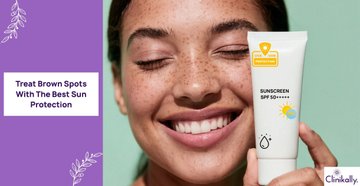
Brown spots, also known as age spots, sun spots, or hyperpigmentation, are frequently caused or exacerbated by ultraviolet radiation. Whether you're treating current discoloration or trying to prevent new ones, sun protection is essential. In this blog, we will look at brown spot treatment.
Understanding Brown Spots: What They Are and How They Form
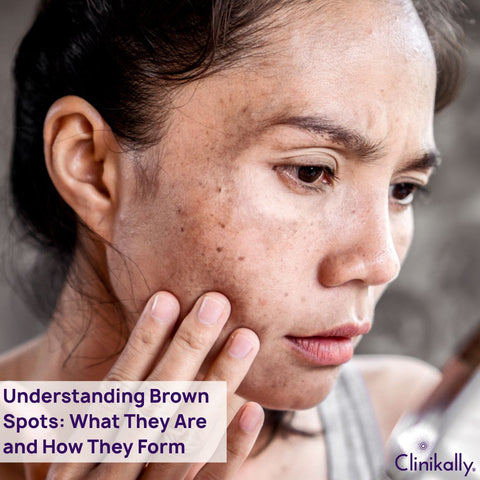
Brown spots are flat, pigmented regions of skin that can range in hue from pale tan to dark brown. They are a prevalent type of hyperpigmentation, especially in places that are frequently exposed to the sun, such as the face, hands, shoulders, and chest. The causes of brown patches are listed below:
-
Sun exposure (primary cause): UV rays cause melanocytes, the pigment-producing cells in the skin, to create excessive melanin as a defensive response. Over time, this melanin may collect unevenly, resulting in patches.
-
Aging: As the skin ages, melanin dispersion becomes less stable. When combined with decades of sun exposure, adults over 40 are more likely to develop brown patches.
-
Post-inflammatory hyperpigmentation (PIH): Brown marks can appear as a result of skin inflammation or trauma, such as acne, eczema, or insect bites.
-
Hormonal changes: Conditions like melasma, which is common during pregnancy or as a result of birth control, can generate brown patches by stimulating hormonal melanin.
The Science Behind Brown Spots and Hyperpigmentation
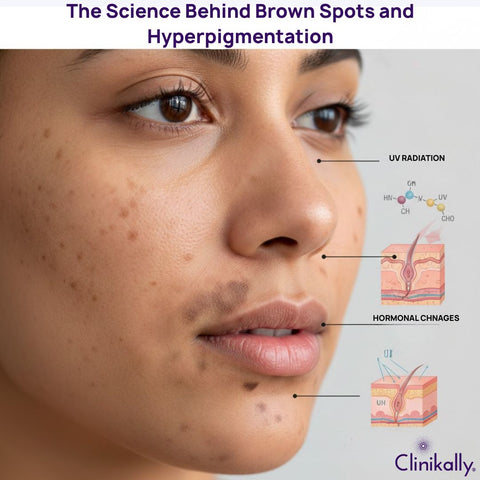
Brown spots and hyperpigmentation are caused by an excess of melanin, the pigment that determines skin, hair, and eye color. Melanocytes, specialized skin cells, drive this process by producing melanin in response to stimuli such as UV radiation, inflammation, hormonal changes, and aging. When the skin is exposed to sunlight, melanocytes produce more melanin as a natural defense, but this can lead to uneven pigmentation or sun spots. Similarly, skin ailments like acne or eczema can leave dark markings called post-inflammatory hyperpigmentation (PIH). Melasma, a symmetrical kind of facial pigmentation, can be caused by hormonal changes, notably during pregnancy or with the use of contraception. Aging reduces the skin's capacity to control melanin, exacerbating pigmentation disorders. Pigmentation may be epidermal (near to the skin's surface and easier to treat) or dermal (deeper and more resistant). Identifying the nature and source of pigmentation is critical for selecting the appropriate treatment, which may include sunscreen, topical antioxidants, or clinical treatments such as chemical peels or laser therapy.
How UV Exposure Triggers the Formation of Brown Spots
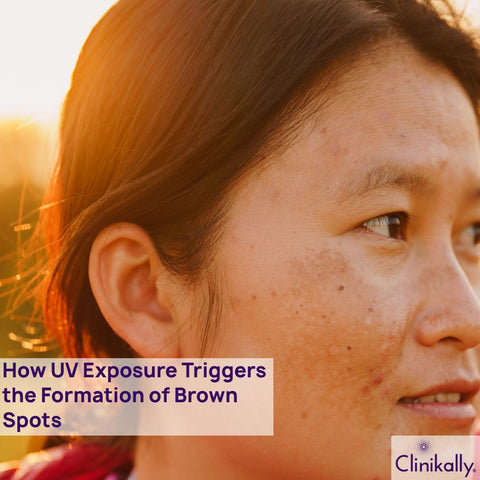
Brown spots, also known as sun spots, age spots, or solar lentigines, are caused mostly by ultraviolet (UV) radiation—particularly by continuous sun exposure. These flat, pigmented lesions are the direct outcome of UV-induced melanin overproduction. When exposed to UVB and UVA radiation, the skin experiences oxidative damage and inflammation. As a result, melanocytes (pigment-producing cells) are activated to make more melanin, a natural pigment that absorbs UV radiation and protects skin cells from DNA damage. However, with persistent, unprotected solar exposure over time:
-
Melanocytes become hyperactive.
-
Melanin is produced abundantly and unevenly.
-
Pigment gathers in clusters, forming brown spots in sun-exposed areas such as the face, hands, shoulders, and chest.
Different Types of Brown Spots: Sunspots vs. Age Spots
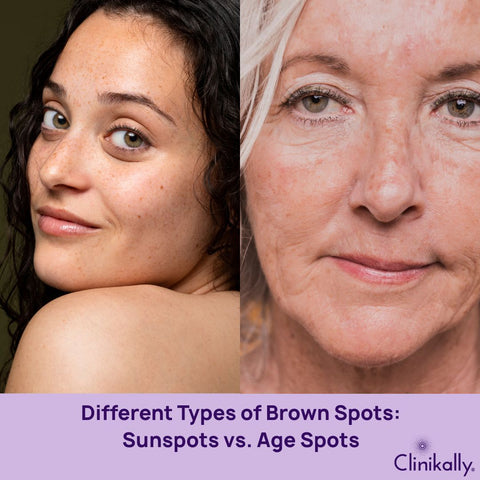
Brown spots on the skin, which are typically gathered together, might have a variety of causes. Sunspots and age spots are two of the most frequent forms, which may look similar but have different origins and implications.
-
Sunspots (solar lentigines): It also known as solar lentigines and are caused by repeated and sustained UV exposure. Flat, light- to dark-brown spots with well-defined borders. Common on sun-exposed areas such as the face, hands, shoulders, and arms. It can appear in young people, particularly those who have been exposed to a lot of sun. Indicator of accumulated sun damage; not harmful, but may indicate increased skin cancer risk.
-
Age spots: Also known as Liver spots, are primarily caused caused by normal ageing and a slower turnover of skin cells. Sunspots have a similar appearance, but they are often more persistent and deeper in tone. Frequently seen on the face, neck, chest, and backs of hands. Typically observed after the age of 40. Usually harmless, but should be checked for changes in shape, color, or texture.
The Importance of Sun Protection for Brown Spots
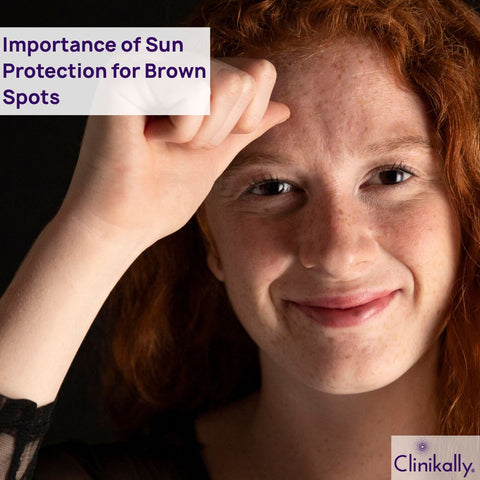
UV rays penetrate the skin and activate melanocytes, resulting in increased melanin formation. Over time, pigment accumulates in clusters, resulting in brown spots. Existing hyperpigmentation intensifies with repeated sun exposure, making it more difficult to treat. The significance of sun protection for brown patches, which include:
-
Reduces UV-induced melanin production, thus preventing the formation of new brown spots.
-
Prevents the worsening of existing spots by protecting melanocytes from stimulation.
-
Enhances the effectiveness of treatments like brightening serums, exfoliants, and retinoids, which can make skin more sun-sensitive.
Why Brown Spots Need Extra Protection from the Sun
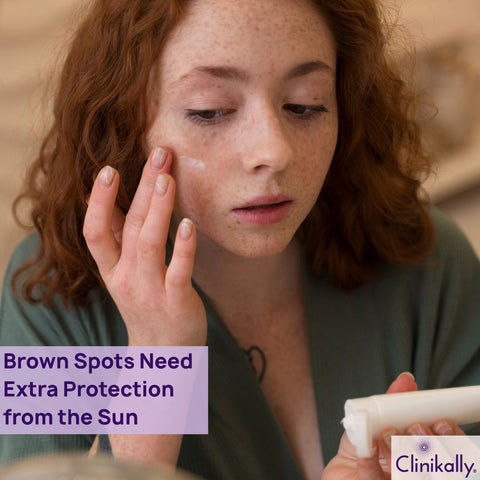
Brown patches necessitate further sun protection because UV rays are both a cause and a trigger for increasing pigmentation. These areas of skin already have an overabundance of melanin, making them more reactive and susceptible to darkening from even little UV exposure. When the skin is exposed to UVA and UVB rays, melanocytes (pigment-producing cells) become activated and produce more melanin. In locations where melanin is already over-concentrated, such as brown patches, this results in:
-
Spot Intensification: Darker and more noticeable pigmentation.
-
Size has increased: Spots may grow or merge to form larger patches.
-
Resistance to Treatment: Ongoing UV damage slows fading and healing.
The Role of SPF in Preventing Further Hyperpigmentation
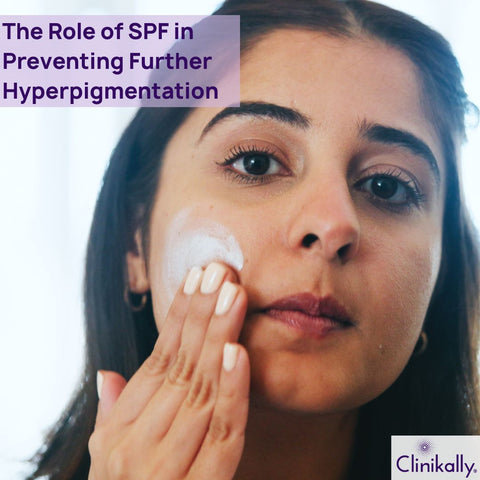
Hyperpigmentation occurs when the skin generates too much melanin, resulting in dark patches, uneven tone, and discolouration. Sun exposure, inflammation, acne, hormonal changes (such as melasma), and skin traumas are all potential triggers. While treatments such as exfoliants, brightening serums, and retinoids can help remove these spots, continuous sun protection is required to keep them from deteriorating or returning. SPF, or Sun Protection Factor, shields the skin from the damaging effects of UVA and UVB radiation, which both stimulate melanocytes (pigment-producing cells) to produce more melanin. This causes the darkening of existing pigmentation and the creation of new spots. Even minor solar exposure, such as regular commutes or interior lighting near windows, can trigger this process. Using a broad-spectrum sunscreen with SPF 30 or higher inhibits this stimulation and helps:
-
It prevents the darkening of existing hyperpigmentation.
-
It limits the development of new places.
-
It increases the efficacy of pigment-fading treatments.
-
It reduces the likelihood of recurrence, particularly in melasma.
SPF is especially important when using active skincare ingredients such as retinoids, AHAs, or vitamin C, which increase the skin's sensitivity to UV damage.
Best protection:
-
Use sunscreen liberally every morning, even on cloudy days.
-
Reapply every two hours when outside or sweating.
-
Tinted sunscreens provide additional protection from visible light, which contributes to pigmentation.
-
If you have sensitive or post-treatment skin, use mineral-based formulas like zinc oxide or titanium dioxide.
How Sunscreen Can Help Fade Existing Brown Spots
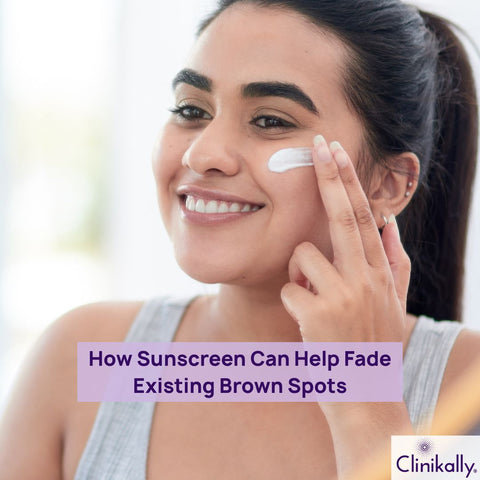
Sunscreen is best known for reducing sunburn and potential pigmentation, but it also helps to fade existing brown patches. Whether they are caused by sun damage, post-inflammatory hyperpigmentation (PIH), or melasma, constant sun protection is required for noticeable recovery. When exposed to UV radiation, the skin's melanocytes increase melanin production to protect the underlying cells. However, in locations where melanin is already overproduced (such as brown spots), sun exposure increases pigmentation, making dark spots darker and more persistent. Sunscreen promotes spot fading, which includes:
-
Stops further darkening: SPF prevents UV rays from causing additional melanin production, allowing treatments such as vitamin C, AHAs, and retinoids to work more effectively without interruption.
-
Reduces inflammation: Sunlight triggers low-grade inflammation, which can exacerbate post-inflammatory pigmentation. Sunscreen helps to calm the skin environment, which aids in recovery and evens out tone.
-
Maintains treatment benefits: Brightening agents make the skin more sun-sensitive. Without SPF, progress from these treatments can be reversed with minimal UV exposure.
Choosing the Best Sunscreen for Brown Spots and Hyperpigmentation
When treating brown spots and hyperpigmentation, choosing the correct sunscreen is just as crucial as the treatment solutions. UV exposure not only induces pigmentation, but it also deepens and prolongs pre-existing dark patches. Using a sunscreen designed specifically for pigment-prone skin can yield considerable results. Key Features to Look for:
-
Broad-spectrum protection (UVA + UVB): UVA rays penetrate deeply and cause melanin formation, exacerbating black patches. UVB rays induce sunburn and contribute to pigmentation. Look for the "broad-spectrum" designation on the package.
-
SPF 30 or higher: Blocks around 97% of UVB rays, while SPF 50 provides somewhat additional protection. A higher SPF is recommended if you use active brightening products or have extremely sensitive skin.
-
Mineral filters (zinc oxide or titanium dioxide): They give physical protection by reflecting ultraviolet rays. Gentle for delicate or post-treatment skin and less prone to irritation.
-
Tinted sunscreens: Tinted sunscreens filter out visible light (particularly blue light), which adds to melasma and permanent pigmentation. Ideal for medium-deep skin tones.
-
Non-comedogenic and fragrance-free: Essential for acne-prone or sensitive skin to avoid outbreaks and irritation.
Key Ingredients to Look for in Sunscreen for Brown Spots
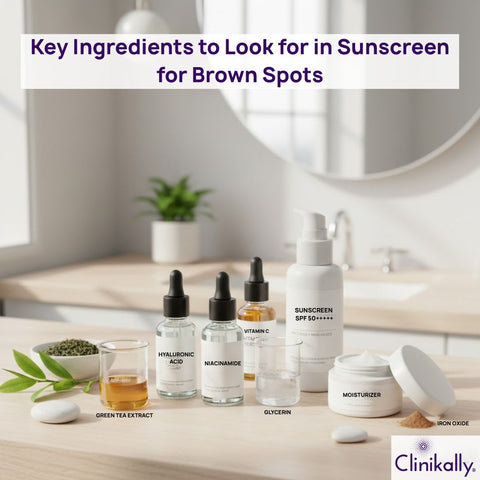
When dealing with brown spots, age spots, melasma, or post-inflammatory hyperpigmentation (PIH), not all sunscreens are the same. The appropriate chemicals in your SPF can improve protection, reduce deterioration, and even aid in spot-fading treatments. The main ingredients to prioritize are:
-
Zinc oxide and titanium dioxide (physical/mineral filters): They reflect UV photons rather than absorb them. It protects against both UVA and UVB radiation. Non-irritating and suitable for sensitive, post-treatment, or acne-prone skin. It provides instant protection upon application.
-
Iron oxides: They block visible light, particularly blue light, which is a significant cause of melasma and black spots. Tinted formulas containing iron oxides are particularly beneficial for medium to deep skin tones.
-
Antioxidants (such as Vitamin C, Niacinamide, and Green Tea Extract): It neutralize free radicals created by UV radiation. It reduces oxidative stress, which promotes pigmentation. Improve the skin's natural repair process for brighter results.
-
Hyaluronic acid, glycerin, or squalane: Support skin barrier function, which is essential for pigmentation treatment. It guards against dryness and irritation from other active ingredients.
Mineral vs. Chemical Sunscreens: What’s Best for Brown Spots?
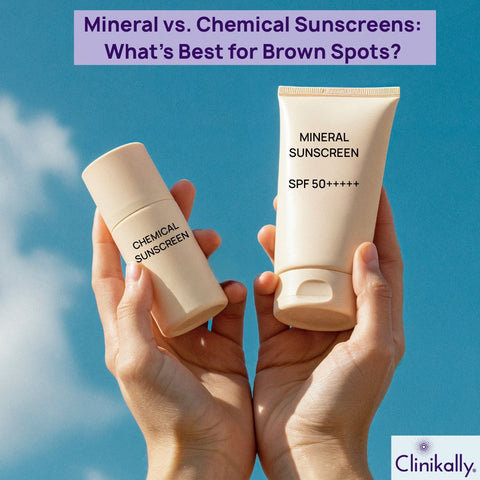
When addressing brown spots, whether sun-induced or post-inflammatory, selecting the appropriate sunscreen type is crucial. Both mineral and chemical sunscreens provide UV protection, but their methods and effects on pigmentation are different.
-
Mineral sunscreens (physical): The key elements are zinc oxide and titanium dioxide. Sit on the skin's surface and reflect ultraviolet light. Pros: Suitable for sensitive, post-inflammatory, or melasma-prone skin. It provides immediate protection upon application. Frequently recommended post-treatment, particularly after laser, microneedling, and chemical peels. Ideal for delicate skin, those undergoing pigmentation treatments, and those prone to melasma or rosacea.
-
Chemical sunscreens: The main constituents are avobenzone, octinoxate, oxybenzone, and octocrylene. Absorb ultraviolet light and convert it to heat. Pros are lightweight and mix well; often preferred for regular wear. Darker skin tones benefit from more cosmetic elegance. Ideal for normal to oily skin types. Users without sensitivity or a history of pigment abnormalities.
How to Apply Sunscreen for Maximum Protection
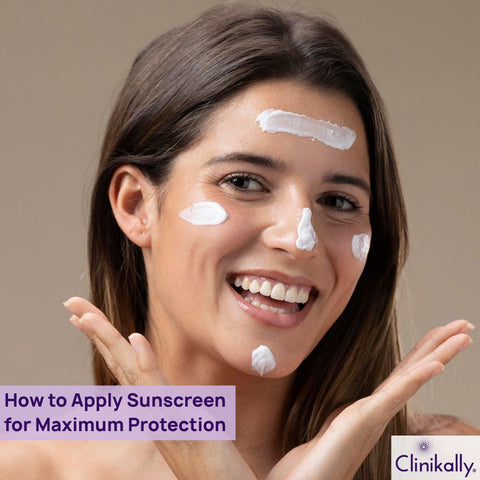
Proper sunscreen application is equally vital as selecting the right formula. Even the greatest SPF is ineffective if applied incorrectly or infrequently.
-
Use the appropriate amount: Most adults require approximately 1/2 teaspoon for the face and neck and 1 ounce (a shot glass full) for the complete body. Underapplying significantly lowers protection.
-
Apply before sun exposure: Apply 15-30 minutes before heading outside to improve absorption, especially with chemical sunscreens that take time to activate.
-
Do not skip essential areas: Ears, hairline and scalp (if exposed), neck (front and back), eyelids (with moderate formulas), and tips of feet and hands are frequently overlooked areas. These areas are prone to pigmentation and accelerated aging.
-
Layer with caution: If you're using skincare or makeup, apply sunscreen after moisturizer and before makeup. Avoid mixing sunscreen into foundation because it dilutes the SPF. Allow each layer to penetrate before applying the next.
-
Reapply every 2 hours: Reapply sunscreen every 2 hours, or right after sweating, swimming, or toweling off. For easier touch-ups over makeup, use a spray, stick, or powder with SPF.
-
Daily use is not negotiable: Even on gloomy days or inside (UVA rays pass through glass), daily treatment is required to avoid dark spots and long-term UV damage.
-
Combine with sun-safe habits: Sunscreen is most effective when combined with wide-brimmed hats, UV-protected sunglasses, shade, and protective clothes.
Additional Tips for Protecting Your Skin from Sun Damage
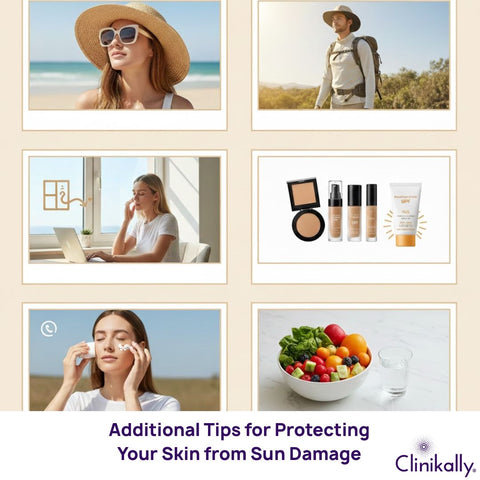
Even if you use sunscreen regularly, solar damage can still occur. These additional steps offer layers of defense against premature aging, hyperpigmentation, and brown patches.
-
Schedule your outdoor activities properly: Avoid direct sun exposure from 10 a.m. to 4 p.m., when UV rays are greatest. If you're outside during peak hours, seek out as much shade or cover as possible.
-
Wear sun-protective clothes: Choose UPF-rated clothes, especially for prolonged sun exposure. Wear long sleeves, wide-brimmed hats, and UV-protective sunglasses to protect sensitive areas such as the scalp, ears, neck, and eyes.
-
Apply sunscreen indoors near windows: Sunscreen should be applied indoors near windows because UVA rays permeate glass and cause aging and discoloration. Even if you seldom go outside, if you work or relax near windows, you should use sunscreen every day.
-
Don't rely entirely on makeup SPF: Foundations or BB creams with SPF provide insufficient protection unless applied liberally. Always use a broad-spectrum sunscreen beneath makeup.
-
Reapply with convenience products: Carry powder, spray, or stick sunscreens for easy reapplication over makeup or while on the go. Set reminders if you're outdoors for long periods.
-
Boost skin’s natural defenses: Eat foods rich in antioxidants (vitamin C, E, polyphenols) to reduce free radical damage. Stay hydrated—dehydrated skin is more vulnerable to UV stress.
-
Be cautious with photosensitizing ingredients: Some skincare actives (like retinoids, AHAs, and benzoyl peroxide) can increase sun sensitivity. Use them at night and be extra vigilant with sun protection the following day.
Combining Sunscreen with Other Treatments for Brown Spots
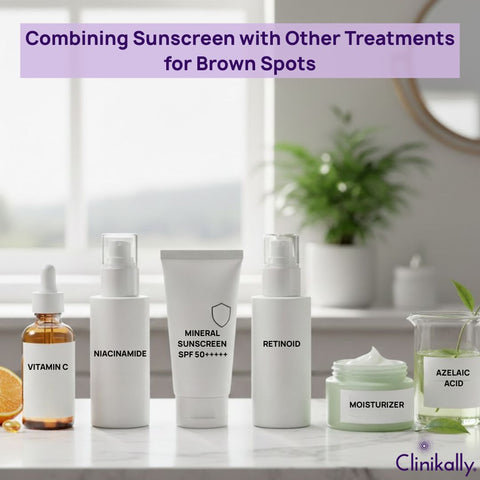
Sunscreen is vital for preventing and controlling brown spots, but its effectiveness is greatly enhanced when combined with tailored treatments. Every day, use a broad-spectrum SPF 30 or greater, especially if you take actives that make you more sensitive to the sun. Mineral sunscreens (including zinc oxide or titanium dioxide) are best for sensitive or pigmentation-prone skin.
In the morning, serums high in antioxidants such as vitamin C and niacinamide brighten the skin and minimize melanin synthesis. At night, substances including retinoids, azelaic acid, tranexamic acid, and alpha arbutin reduce pigmentation and increase cell turnover. Gentle chemical exfoliants (such as AHAs) can be used 2-3 times per week to promote skin renewal, but they require strict sun protection due to increased UV sensitivity. Professional treatments including as chemical peels, lasers, and microneedling may provide faster results for deeper pigmentation, but only when combined with vigilant post-procedure sun care. Hydrating and soothing elements (such as ceramides and panthenol) help to support the skin barrier, reducing irritation and increasing tolerance to actives.
Tailoring Your Skincare Routine for Brown Spot Prevention
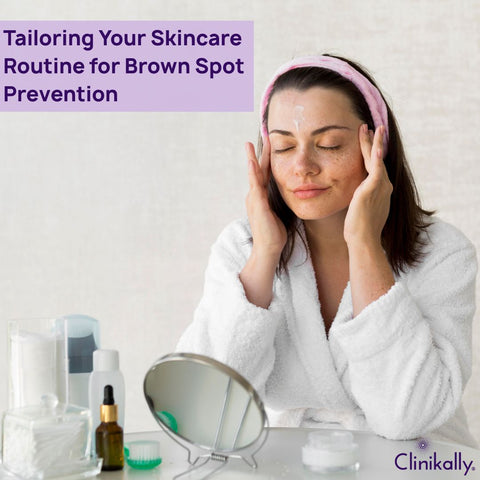
Brown spots can be avoided with a proper skincare regimen. The aim is to reduce UV exposure, manage melanin formation, and promote healthy skin turnover.
Morning routine (defend and prevent):
-
Gentle cleanser: Use a gentle, non-stripping cleanser to keep your barrier healthy. Avoid strong washes that may cause post-inflammatory pigmentation.
-
Antioxidant serum (e.g., Vitamin C): neutralizes free radicals from UV and pollutants, brightens the skin, and reduces melanin production.
-
Niacinamide or licorice extract (optional add-on): These substances help prevent pigmentation and enhance the skin's barrier.
-
Moisturizer with skin-calming ingredients: Look for substances like panthenol, ceramides, and green tea to help reduce inflammation, which can cause discoloration.
-
Broad-spectrum sunscreen (SPF 30+): It is your most vital defense. Choose one that includes antioxidants or brightening agents. Apply generously, then reapply every 2 hours.
Evening routine (Repair and renew):
-
Cleanser: Remove sunscreen, makeup, and pollution to prepare the skin for treatment.
-
Exfoliation (2–3 times per week): Use light chemical exfoliants such as AHAs (glycolic/lactic acid) or PHAs to increase cell turnover and reduce pigmentation. To avoid irritation, avoid using it too frequently.
-
Treatment Serum: Retinoids (or bakuchiol for sensitive skin) promote cell renewal, tranexamic acid lowers stubborn hyperpigmentation, and azelaic acid addresses inflammation and pigmentation.
-
Hydrating barrier repair moisturizer: It is essential for balancing actives and lowering irritation risk.