The Ultimate Guide to Growing Stronger Hair Naturally: Science-Backed Tips
With the right science-backed strategies, achieving stronger, healthier hair naturally is more attainable now than it ever was. As people increasingly move toward natural remedies for hair growth, it becomes important to understand what genuinely supports thicker strands, reduced breakage, and a nourished scalp. This ultimate guide explores proven methods-from nutrient-rich diets and hair-strengthening oils to scalp-stimulating routines and holistic hair care tips-to help you optimize growth without harsh chemicals. Whether your concern is hair thinning, growth that is slow, or simply styling damage, these evidence-based insights will empower your ability to transform your routine. Learn with Clinikally how to amplify your hair's strength, boost its shine, and unlock its fullest potential using natural and truly sustainable techniques.
Understanding Hair Strength: The Science Behind Natural Growth
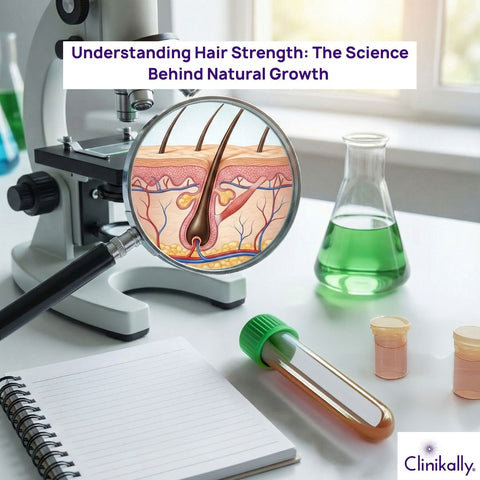
Approaching hair strength requires an understanding of how each strand grows and what affects its resilience. Hair is made up of a protein named Keratin. The potential for long, healthy hair comes from a balanced hair growth cycle, proper nutrition, and a healthy scalp. When any of these go away, problems such as hair breakage, hair thinning, and slow growth become prevalent. By understanding the science behind natural hair growth, we will delve into the real strengtheners from the inside out, including better blood flow, vitamins, and care habits that protect rather than damage your hair. By gaining this scientific insight, you will be empowered to craft an effective, natural routine for stronger and healthier hair.
How Hair Follicles Respond to Nutrients and Environmental Factors
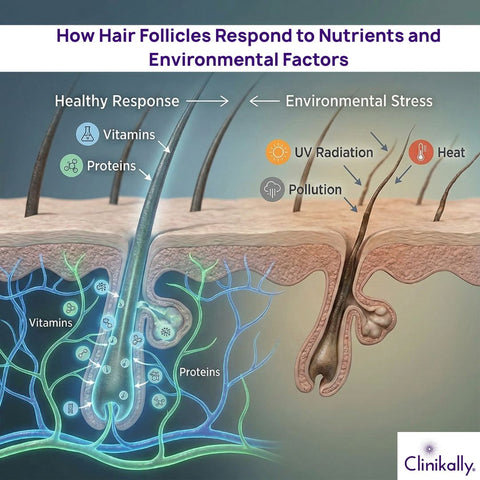
Healthy hair starts right at the root-literally. Hair follicles are mini-organs that constantly respond to internal nutrition and external environmental factors. Knowing how these influences affect hair growth, strength, and scalp health is crucial for anyone seeking thicker hair, reduced hair fall, and overall hair growth optimization.
Nutrients & Hair Follicles
-
Hair follicles are very dependent on amino acids. Sufficient intake of protein encourages the production of keratin, thus helping to grow stronger and healthier strands.
-
Iron deficiency can weaken follicles because of a lack of oxygenation, which may cause hair thinning. Sufficient iron maintains the active growth cycles.
-
Biotin or Vitamin B7 helps to improve the infrastructure of keratin in follicles, thereby enhancing hair thickness and reducing hair breakages.
-
Zinc controls sebum production and helps in tissue repair, thereby keeping follicles nourished and helping to avoid scalp inflammation.
-
Omega-3 Fatty Acids help to nourish the scalp, reduce follicular inflammation, and increase general hair density.
-
Vitamin A normalizes production of sebum.
-
Vitamin C increases the production of collagen, thus making the hair shaft stronger.
-
Vitamin D also activates dormant follicles.
-
Vitamin E protects against oxidative stress.
Environmental Factors & Hair Follicles
-
Excessive sun exposure does weaken the hair proteins and interferes with follicle cycles, resulting in dryness and breakage.
-
As such, dust, toxins, and particulate matter stimulate oxidative stress, which causes inflammation and scalp irritation, which usually leads to excessive hair shedding.
-
High humidity causes swelling of the strands of hair, making the follicles overwork to maintain the moisture balance. Extreme cold can reduce scalp blood flow.
-
Overuse of dyes, relaxers, and harsh shampoos strip protective oils, making the hair brittle and affecting the growth cycle of the follicle.
-
Chronic stress increases cortisol, which, in turn, sends follicles into the resting or telogen phase, triggering noticeable hair fall.
-
If oil and dead skin collect, they block follicles and inhibit the growth of healthy hair, leading to scalp problems such as dandruff.
The Role of Antioxidants in Protecting and Strengthening Hair
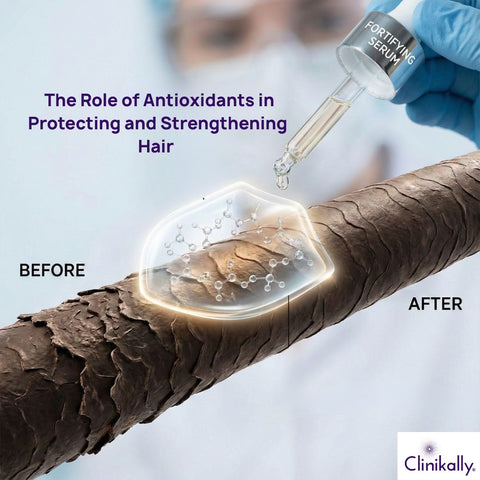
Antioxidants are the protective compounds that shield your hair follicles from oxidative stress, one of the leading causes of hair thinning, premature aging, and loss of shine. By neutralizing free radicals and supporting scalp health, antioxidants provide an essential function in promoting stronger, healthier hair that is more resistant to damage. The key roles of antioxidants are:
-
Neutralizing Free Radical Damage: Free radicals from UV exposure, pollution, and stress can damage hair proteins and weaken follicles. Antioxidants in the form of Vitamin C, Vitamin E, and polyphenols help stop this damage, preserving hair's strength and elasticity. This helps reduce breakage, dullness, and early signs of hair aging.
-
Promotes Healthy Scalp Circulation: Antioxidants enhance blood flow to the scalp, ensuring better nutrient delivery to the hair follicles. Increased blood flow means thicker, fuller hair that grows faster. A healthy scalp environment helps reduce issues such as dryness, irritation, and flaking.
-
Inflammation reduction at hair follicles: Inflammation is one of the main contributors to hair thinning and shedding. Antioxidants include green tea extract, resveratrol, and curcumin, which calm scalp inflammation to protect the follicles and promote stable growth cycles.
-
Improved Keratin Production: By protecting the integrity of hair cells, antioxidants indirectly help form keratin. This leads to smoother, stronger, and more damage-resistant strands. Helps combat wear from heat styling and chemical treatments.
-
Color Protection and Anti-Premature Greying: Oxidative stress can degrade pigment cells in the follicle and cause premature greying. Antioxidants help preserve melanin, keeping natural hair color vibrant for longer. They also protect dyed hair by minimizing sun and environmental damage.
-
Strengthening the Hair's Protective Barrier: The hair cuticle protects against damage, but free radicals weaken this layer. Antioxidants fortify the cuticle layer, enhancing moisture retention and minimizing frizz. This leads to shinier, healthier-looking hair with improved manageability.
-
Enhancement of Hair-Care Product Effects: Many contemporary hair serums, oils, and masks boast ingredients rich in antioxidants. These enhance the performance of other active ingredients and extend protection between washes. Helps support long-term hair resilience, smoothness, and volume.
Adding antioxidants to your routine is a proactive, science-backed way to improve hair growth, shine, and general hair well-being for the long term.
Identifying the Root Causes of Weak, Brittle, or Thinning Hair
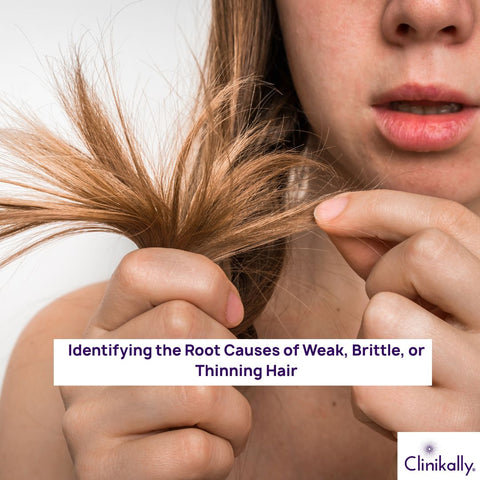
When hair turns weak, brittle, or starts thinning, it is mostly indicative of deeper problems than surface-level damage. Since the root cause might be nutritional deficiencies, hormonal imbalances, stress, or environmental stressors, knowing this will help you with targeted steps toward stronger, thicker, and more resilient hair. Here's why finding the true cause of the underlying concern is important for effective and long-lasting results:
-
Identifying the core issue leads to tailored solutions that deliver faster, more sustainable results and helps avoid trial-and-error with products that don't address the actual problem.
-
This ensures early detection of underlying problems, such as scalp infections or nutrient deficiencies, before they escalate.
-
Problems such as thyroid disorders, anemia, chronic stress, or hormonal imbalances can first show up through hair changes. Hence, addressing the root cause can improve energy levels, immunity, and overall wellness.
-
Directed treatment avoids the wasting of money on inefficient shampoos, oils, or supplements.
-
Unexplained hair loss is distressing. Understanding the cause also restores a sense of control and helps decrease anxiety about appearance. Better and quicker results mean visible improvement in self-esteem and confidence.
-
Addressing underlying issues, such as hormonal shifts, dietary gaps, or stress, will support long-lasting hair thickness and growth.
-
Provides a stable environment for healthier and stronger hair over time.
-
Hair silently loses strength due to heat styling, pollution, harsh chemicals, and poor scalp hygiene. Early recognition of such triggers helps one change the routine and protect the natural strength of one's hair.
Understanding the root causes of weak, brittle, or thinning hair is at the heart of effective hair restoration. Rather than masking symptoms, identifying the contributory factors underlying the processes empowers you to make positive changes in your life that nurture follicles, support scalp health, and foster long-term growth.
Natural Strategies for Stronger, Healthier Hair
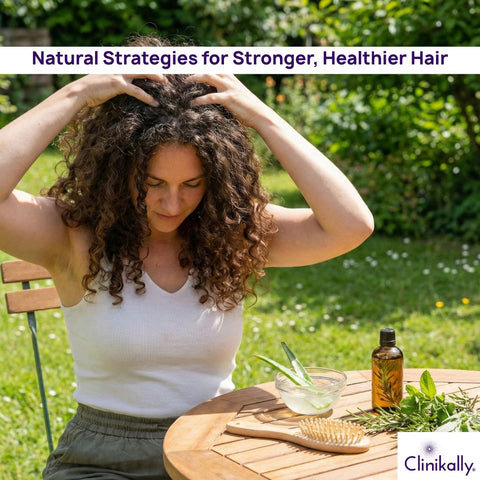
Naturally achieving stronger, healthier hair begins with a set of simple yet powerful habits that take care of your strands from root to tip. In place of harsh treatments, natural strategies for stimulating growth, preventing breakage, and adding shine include scalp massage, nutrient-rich foods, and botanical hair oils. Consistent hydration, gentle styling, and strengthening ingredients like biotin, rosemary oil, and aloe vera nourish the scalp and protect hair fibers. These holistic methods-which lean on real science-work in harmony with the natural biology of your hair, making them particularly effective for long-term success. By implementing these natural haircare strategies into your day-to-day life, you'll be building a foundation for visibly stronger, more resilient hair.
Essential Vitamins and Minerals for Robust Hair Growth
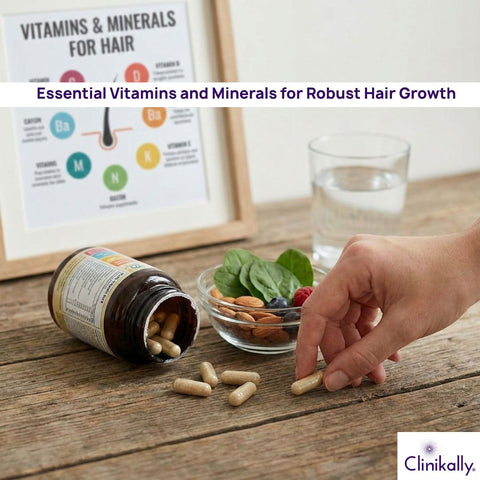
Achieving healthy, thick, and vivacious hair starts from within. Shampoos and serums may help, but it's the key vitamins and minerals in your diet that really power the growth of robust hair, promote follicle health, and keep the scalp healthy.
-
Vitamin A: This stimulates sebum production, which moisturizes the scalp and protects the hair. Prevents dryness, which may result in brittle strands and eventual breakage. It is found in carrots, sweet potatoes, spinach, and eggs.
-
B-Vitamins: Biotin or Vitamin B7 fortifies hair structure and prevents thinning. Vitamin B12 helps in delivering oxygen to hair follicles for proper growth. These are found in whole grains, nuts, leafy greens, and fish.
-
Vitamin C: A strong antioxidant, it combats free radical damage. Vital for the synthesis of collagen, supports hair shafts with increased strength. It is found in citrus fruits, berries, peppers, and broccoli.
-
Vitamin D: Low levels are associated with hair thinning and slow growth. Stimulates the activity of new follicles. It is found in sunlight exposure, fortified foods, and fatty fish.
-
Vitamin E: Strengthens the scalp's barrier and improves circulation. Helps reduce damage caused by heat, pollution, and UV exposure. It is found in nuts, seeds, avocados, and spinach.
-
Iron: Essential for transporting oxygen to follicles. Iron deficiency is the leading cause of hair loss in women. It is found in red meat, beans, lentils and leafy greens.
-
Zinc: It supports follicle repair and growth. Helps to regulate scalp oil and reduces inflammation. Supports cell turnover and repair of hair tissue. It is found in pumpkin seeds, seafood, dairy, and chickpeas.
-
Omega-3 Fatty Acids: Nourish the scalp and reduce inflammation and promote thicker, shinier hair. Help maintain the scalp's natural oils, reducing dryness and flaking. These are found in salmon, walnuts, chia seeds, and flaxseed.
-
Selenium: It guards against scalp disorders. A strong mineral that supports antioxidant enzymes. Helps prevent dandruff and maintains healthy follicle function and is found in Brazil nuts, eggs, and tuna.
Some of the most effective ways to ensure robust hair growth, boost strand strength, and maintain a healthier scalp are through incorporating essential vitamins and minerals into your daily routine. By nourishing your body with the right nutrients, you create the ideal environment in which your hair can thrive-naturally and in the most sustainable manner.
Also, various supplements after doctor consultation can be added in the diet to meet nutritional needs. Hairbless Tablet is one dermatologist recommended potent hair supplement that is enriched with a powerful blend of biotin, niacinamide, amino acids and minerals. This supplement boosts hair follicles and healthy hair cells to enhance hair growth and improve the shine and appearance of hair. It also comes in women-friendly dosage combinations by the name Hairbless Diva Nutraceutical Tablet For Women. This is a GLA, multivitamin, multimineral, amino acid tablet that is enriched with millet seed extract and grape seed extract. This combination is specially formulated for women’s hair needs and supports healthy hair growth, lustre, strength, volume and elasticity.
Botanical Oils and Herbal Ingredients That Support Stronger Strands
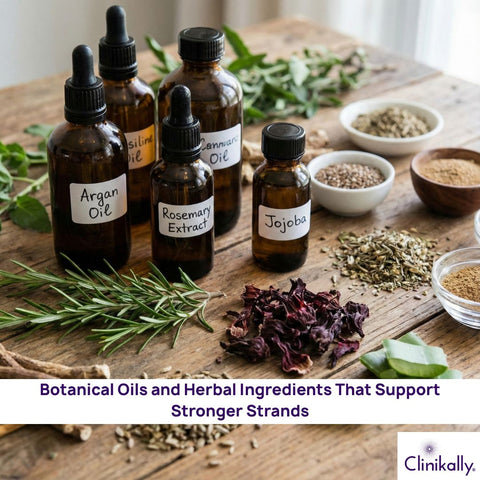
For centuries, botanical oils and herbal extracts have been trusted to nurture the scalp, repair damaged hair, and encourage much stronger and healthier strands of hair. These plant-powered ingredients are making a big comeback these days in modern haircare routines because they naturally help hair become stronger from root to tip.
-
Argan oil: It is rich in Vitamin E & omega fatty acids. Deeply moisturizes dry, brittle hair, reduces frizz, protecting from heat damage.
-
Coconut Oil: Contains lauric acid, which binds to hair proteins. Helps prevent protein loss and reduces breakage.
-
Castor Oil: Supports hair density. High in ricinoleic acid, it is known to stimulate scalp circulation. Promotes thicker, fuller hair growth.
-
Rosemary Oil: This oil promotes hair growth. A well-known herbal oil useful for follicle stimulation. Improves scalp circulation and reduces thinning.
-
Green Tea Oil: This oil exhibits anti-inflammatory properties that soothe and calm the scalp, thus maintaining optimal scalp environment for hair to grow.
-
Aloe Vera: Rich in vitamins A, C, and E. Reduces inflammation, enhancing the strength of hair follicles. Hydrates the scalp, while promoting smooth and shiny hair.
-
Hibiscus: Naturally boosts keratin production. Helps reduce breakage and split ends. Known for enhancing volume and shine.
Botanical oils and herbal elements provide a potent, natural route toward more robust and resilient hair. By incorporating nutrient-rich oils, serums and plant extracts into your routine, you nourish the scalp, reinforce the hair shaft, and help with long-term growth, thickness, and shine. One such hair serum called Hairbless Hair Growth Serum is dermatologist recommended hair serum that features an intensive-scalp nourishing formula containing Redensyl, Procapil, ginger extract, green tea extract and liposome caffeine. This hair serum effectively reduces hairfall, strengthens the roots, improves hair density and stimulates dormant follicles for hair regrowth.
Scalp Care Essentials: Cleansing, Balancing, and Stimulating Circulation
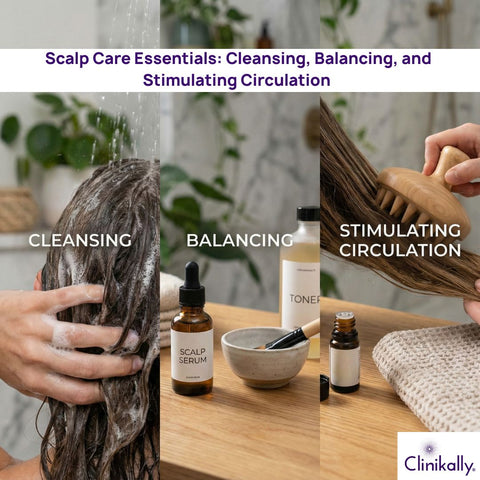
Healthy hair starts with a healthy scalp. A clean, balanced, and well-stimulated scalp can help create an ideal environment for hair follicles to grow, thus allowing strands to become stronger, thicker, and shinier.
-
Cleaning: Regular cleansing helps prevent dandruff, itchiness, and inflammation. A scalp-friendly shampoo, preferably sulfate-free, maintains the scalp's natural moisture and doesn't strip the scalp of its essential oils. Exfoliating once a week with either a scalp scrub or a gentle chemical exfoliant helps to remove dead skin cells and gives an appearance of clarity.
-
Balancing: A scalp that maintains a proper pH is more conducive to stronger follicles, with an optimum pH ranging from 4.5 to 5.5. Such a balanced scalp prevents the scalp from being overly dry or excessively oily. The use of pH-balanced shampoo and tonics can provide stability to the scalp barrier. Natural ingredients such as aloe vera, tea tree oil, witch hazel, and apple cider vinegar help to restore balance and lessen irritation.
-
Stimulating Circulation: Improved blood flow provides the needed nutrients and oxygen to hair follicles. Techniques that help rouse dormant follicles include scalp massages, light brushing, and warm-oil treatments. Such ingredients as rosemary oil, peppermint oil, caffeine, and ginseng are known to increase microcirculation. Regular stimulation encourages hair growth and thickness, while also reinforcing the hair's life cycle.
A scalp routine is most effective when followed consistently.The combination of cleansing, balancing, and circulation-enhancing activities can help in maintaining general scalp health. Instead, early scalp care can prevent long-term issues, such as chronic thinning or follicle damage.
Daily Practices That Encourage Long-Term Hair Resilience
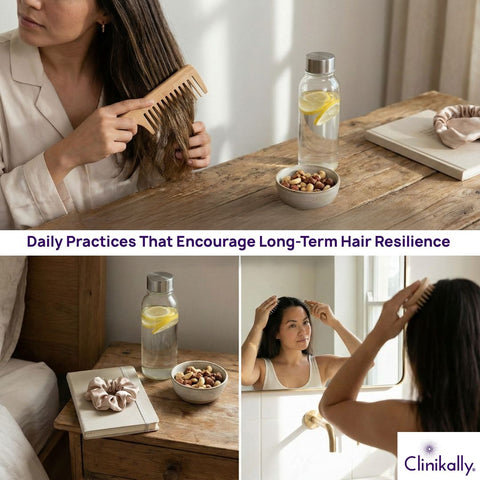
Building long-term hair resilience is not about quick fixes; it's about consistent daily habits that support strong, healthy, and vibrant strands from root to tip. Integrating simple yet effective practices into your routine can protect your hair against breakage, increase elasticity, and support steady and sustainable hair growth. Here are 12 science-backed daily habits that strengthen hair resilience and help you keep thicker, shinier, and more manageable strands over time:
-
Include biotin, iron, zinc, omega-3s, and antioxidants through whole foods in diet.
-
Drinking enough water improves elasticity in hair, preventing dryness.
-
Clean your scalp without stripping it of its natural protective barrier. Use a mild, pH-balanced shampoo
-
Use lightweight leave-ins, serums, or oils to avoid dryness and breakage.
-
Frequent heat application weakens hair proteins and causes splitting. Hence, opt for heat-free styling, and whenever necessary, do remember to apply heat protectants.
-
Be very gentle when brushing or detangling, especially while hair is wet. Use wide-tooth combs or detangling brushes to avoid breakage.
-
Massage the scalp for 3–5 minutes to improve blood circulation and promote growth.
-
Sun exposure dries out the hair and weakens strands. Wear hats to protect further, or use UV-protectant sprays.
-
Sleep on a silk or satin pillowcase as it reduces frizz, friction, and breakage compared to cotton pillowcases.
-
Avoid tight hairstyles. Traction alopecia and strand weakening can be caused by constant tension. Choose loose, protective styles to reduce stress on the follicles.
-
Chronic stress upsets the growth cycle of hair and results in shedding. Mindfulness, exercise, and deep breathing help protect long-term hair health.
-
Trimming hair every 8–12 weeks prevents split ends from travelling up the shaft. Encourages healthier, stronger growth over time.
By applying these twelve habits to your routine, you are strengthening your strands in every way, from the scalp to the ends. Whether your goal is maximizing growth, reducing breakage, or enhancing overall shine, these daily practices create the foundation for hair that thrives for years to come.
Nourishing Your Hair from Within Through Diet, Supplements and Hydration
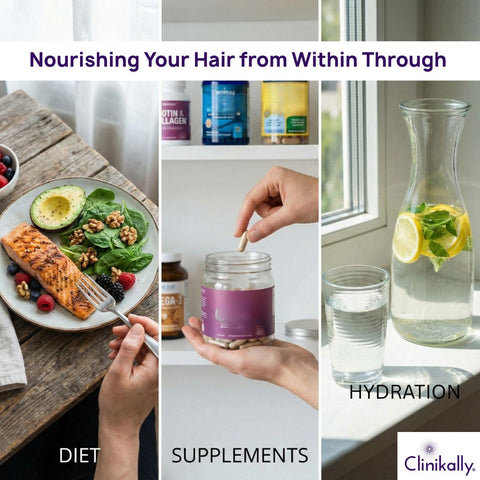
Building healthier, stronger hair starts from the inside out, and the right balance of nutrition, supplements, and hydration can make all the difference. Your hair needs a diet of essential nutrients such as protein, omega-3 fatty acids, vitamins A, C, D, and E, and important minerals like iron and zinc for growth and to prevent breakage. Combining these nutrients with active supplements like biotin, collagen, and hair-strengthening vitamins helps to strengthen the hair from follicle to tip. Consistent hydration further enhances scalp health and keeps strands smoother and more resilient. Feeding your body the right internal support creates the ideal foundation for hair to grow naturally and stay strong.
Stress, Hormones, and Their Impact on Hair Health
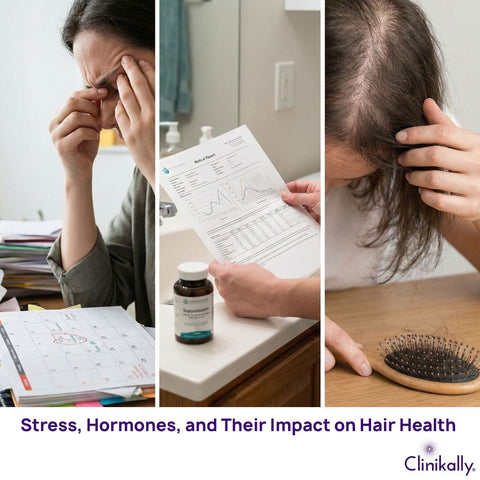
Because a person's hair undoubtedly depends on his or her well-being, discovering the mechanisms of stress and hormonal influence on hair health is necessary for those who deal with unexplained thinning, shedding, or slowed growth. High levels of stress may perturb the hair growth cycle, sending strands into early shedding, while an imbalance of hormones-including changes in cortisol, thyroid hormones, or androgens-can weaken follicles and diminish growth. Quite frequently, conditions involving PMOS (Polyendocrine Metabolic Ovarian Syndrome, formerly known as PCOS), postpartum changes, and chronic levels of stress stimulate obvious changes in hair texture and density. You will be able to diagnose an internal problem and learn how to restore balance through lifestyle adjustments, stress-relief practices, and targeted nutritional support. Stress and hormonal management is integral in maintaining stronger, fuller, resilient hair.
Building a Gentle, Effective, and Sustainable Hair-Care Routine
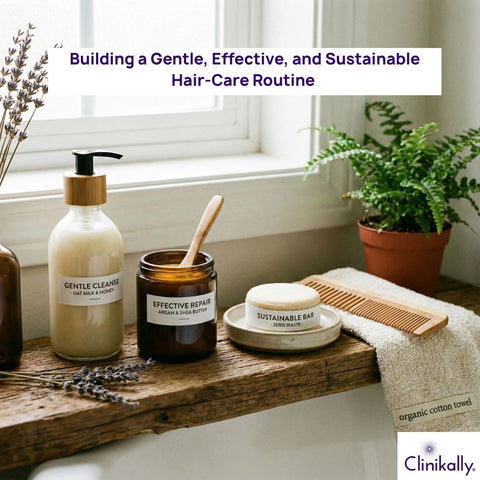
A mild, efficient, and sustainable hair-care routine holds the key to the long-term health of one's hair. Focusing on mindfulness in practices, nourishment in products, and consistency will support scalp health, reduce breakage, and encourage stronger, shinier, and more resilient hair.
-
Begin with a clean, balanced scalp
-
Choose lightweight, nourishing conditioners.
-
Hydrate daily with leave-ins or serums
-
Minimize heat styling.
-
Detangle with care
-
Use eco-friendly, clean hair products
-
Incorporate weekly treatments
-
Trim regularly
-
Protect your hair while you sleep
-
Stay hydrated and eat nutrient-rich foods.
-
Be consistent but flexible
-
Reduce waste by making conscious product choices.
A gentle, sustainable hair-care regimen does not have to involve complicated steps, just consistent and considerate practices that support your hair's natural strength and beauty.
Your Personalized Roadmap to Naturally Stronger Hair
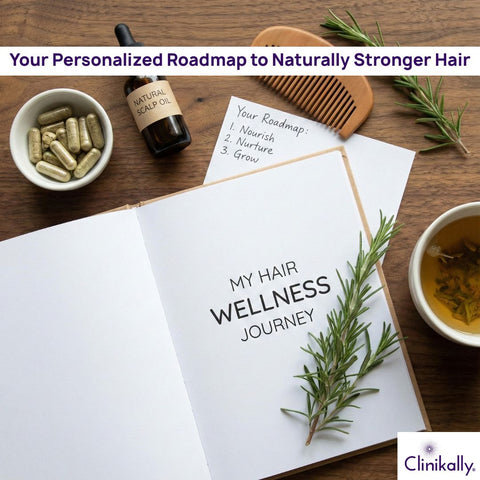
Knowing the science of natural hair growth, coupled with developing scalp health, nutrition, and stress-balancing habits, you can create a personalized plan for stronger, healthier hair. Nutrient-rich foods, targeted supplements, gentle hair care routines, and natural growth boosters such as rosemary oil and scalp massage will help you strengthen your hair from inside to out. And it's all about consistency; small daily actions pay off in long-term improvements in growth, thickness, and shine. With a customized roadmap, you're empowered to embrace natural, sustainable strategies that nourish your strands, support hair resilience, and unlock your full hair-strengthening potential.